










Fragen und Antworten mit Carli Wheatley, Lymphsystem-Expertin
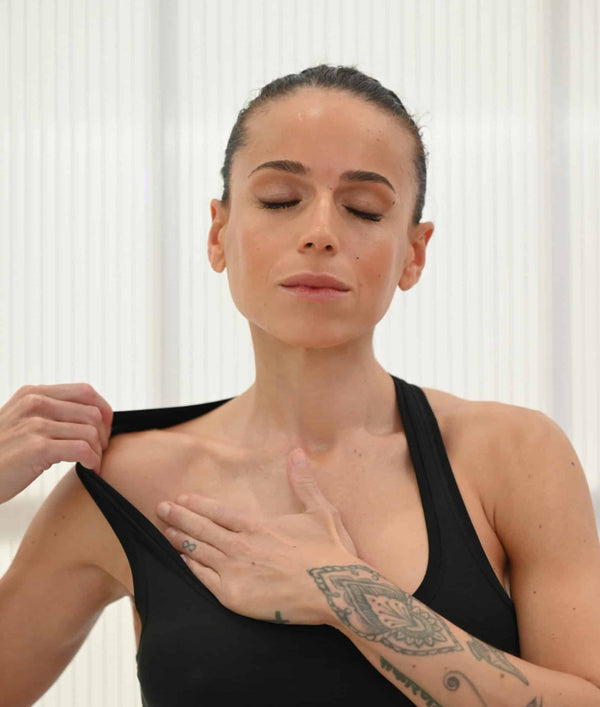
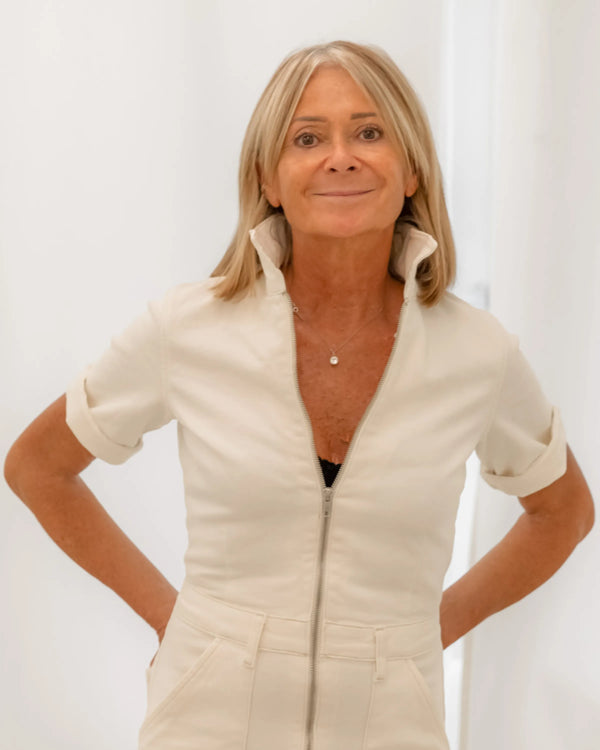
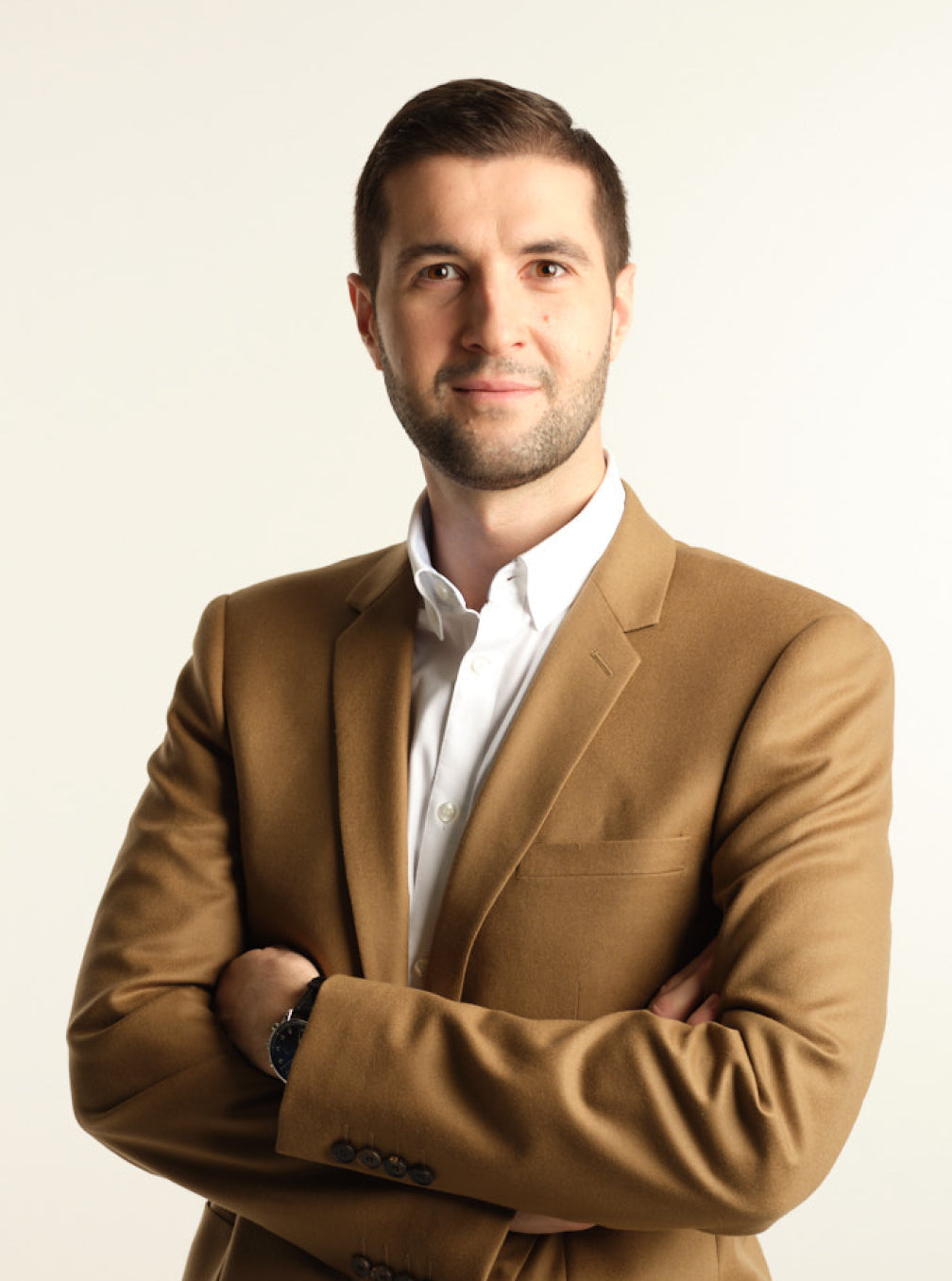
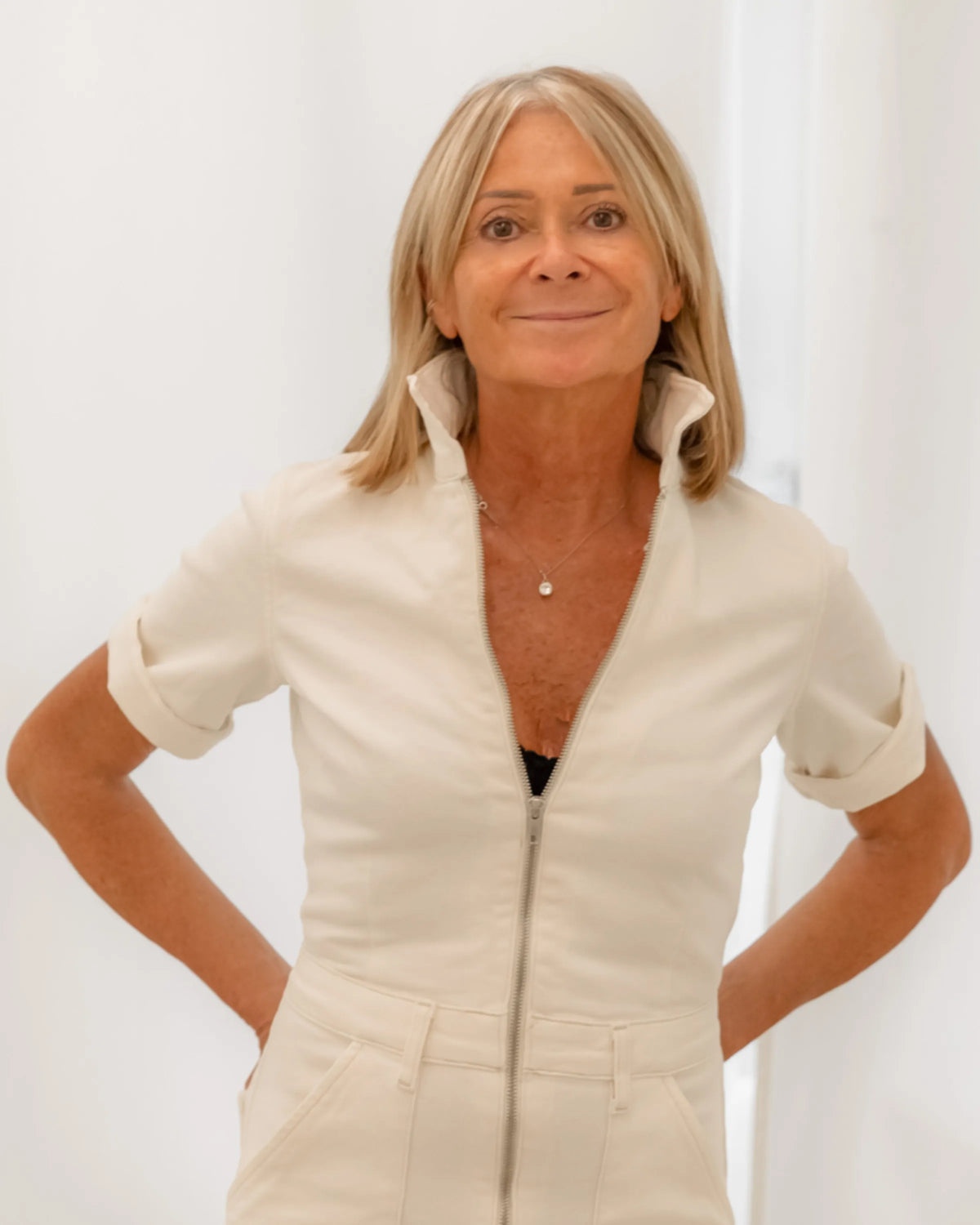
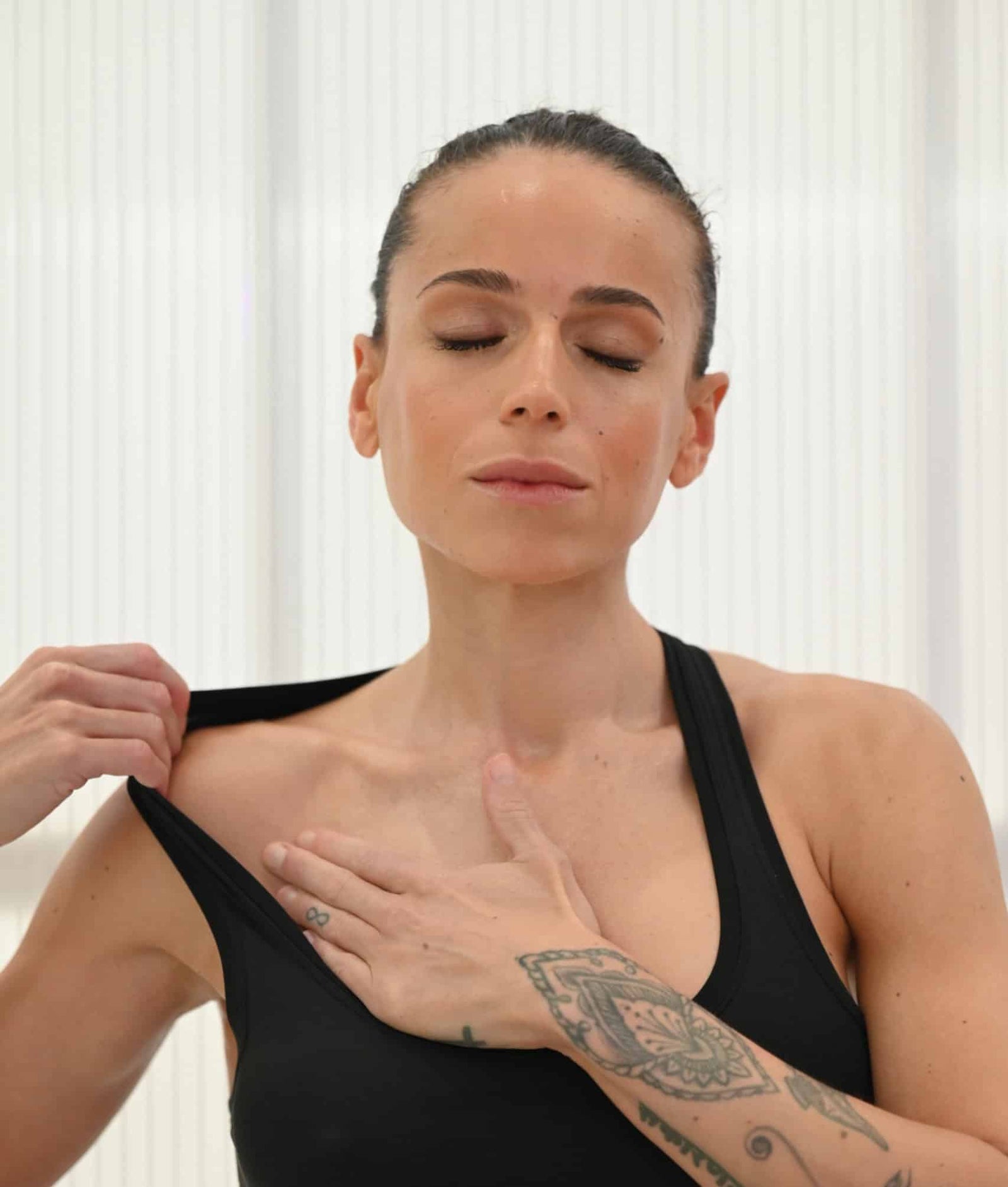
Carli Wheatley (@lymphlover) ist eine in London ansässige Dozentin für lymphatische Gesundheit. Ihre Arbeit verbindet moderne Lymphwissenschaft mit Atem, Bewegung und Prinzipien der chinesischen Medizin, um Menschen zu helfen, ihren eigenen Körper zu unterstützen. In Workshops, Kleingruppensitzungen und Bildungsinhalten konzentriert sie sich auf Fluss, Selbstregulation und praktische Tools, die Menschen täglich anwenden können – und befähigt sie, sich leichter, stärker und mehr in Kontrolle über ihre Gesundheit zu fühlen.
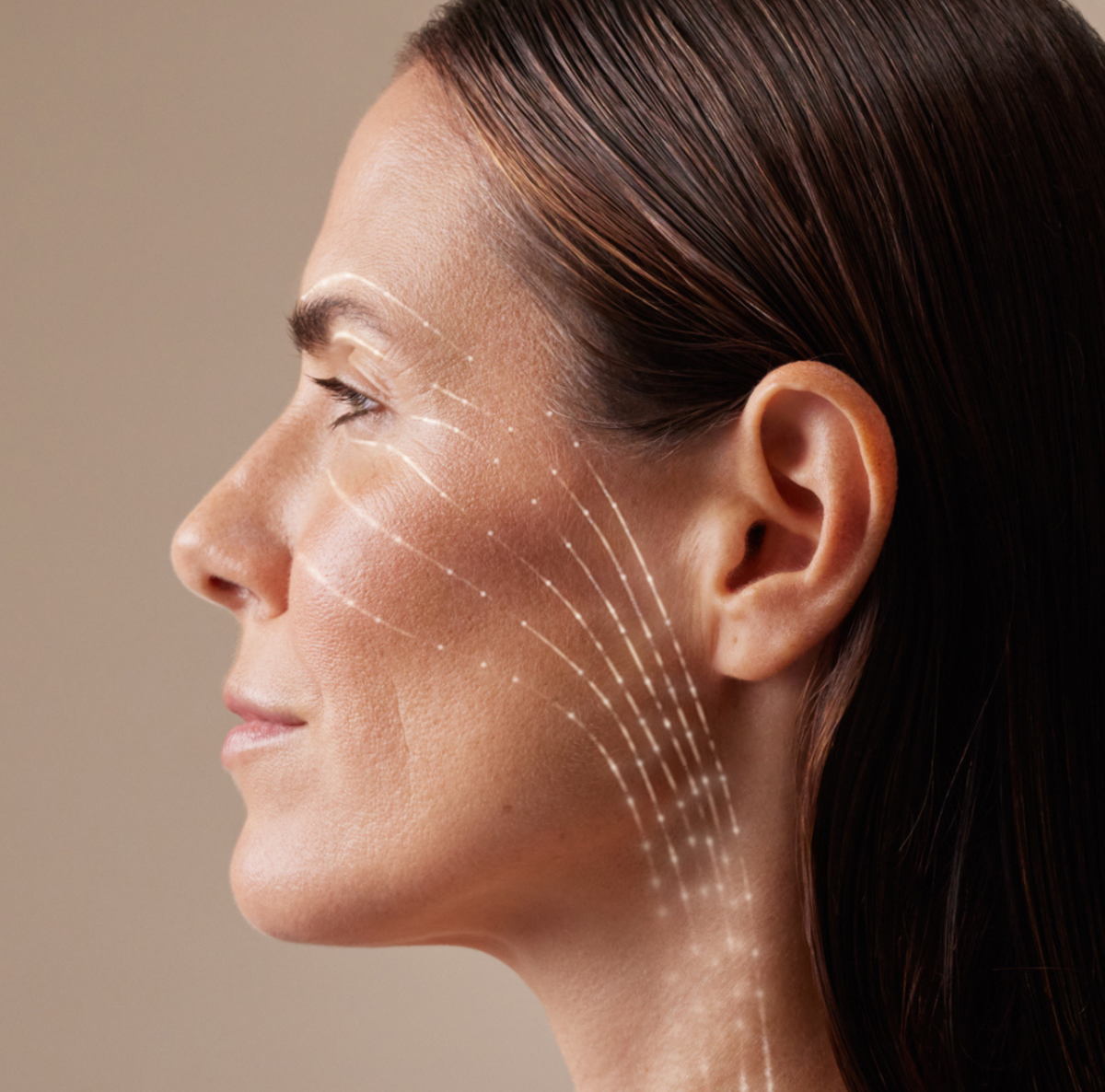
In diesem kurzen Frage-Antwort-Gespräch erklärt Carli Wheatley (@lymphlover) auf die effektivste und effizienteste Weise den geheimen Motor unseres Körpers und wie das Lymphsystem die primäre Pumpe unseres Körpers ist und warum die eigenen Hände die mächtigsten Werkzeuge sind, die man für die tägliche Gesunderhaltung besitzt.
Wann war Ihr „Aha“-Moment mit dem Lymphsystem?
Ich trainierte hart und ernährte mich gut, trotzdem hatte ich Atemprobleme und ständige Verspannungen im oberen Rücken. Mir wurde klar, dass wir uns so sehr auf Muskeln und Struktur konzentrieren, aber nicht auf den Fluss. Als ich mich wieder mit Fluiddynamik, dem Lymphsystem beschäftigte und es mit der chinesischen Medizin in Verbindung brachte, machte es Klick: Der Körper braucht die Bewegung von Flüssigkeiten genauso sehr wie Kraft.
Was ist das größte Missverständnis, das Menschen über die Lymphdrainage haben?
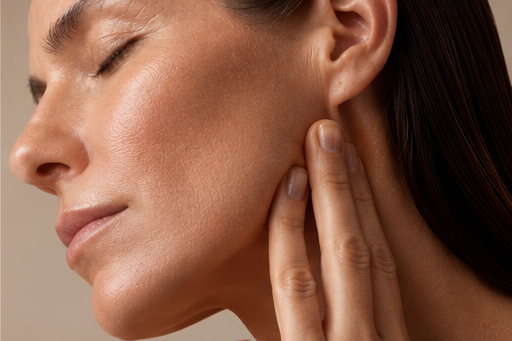
Dass es eine Spa-Behandlung zur Gewichtsabnahme ist. Ihr Körper weiß bereits, wie er entwässert – das Problem sind Staus an wichtigen Knotenpunkten wie Nacken, Darm und Hüften. Echte Lympharbeit ist etwas, das Sie lernen und regelmäßig selbst unterstützen.
Was wünschen Sie sich, dass jeder Klient wüsste, bevor er zu Ihnen kommt?
Kommen Sie mit einer lernbereiten Einstellung. Das Zwerchfell ist eine der größten lymphatischen Pumpen des Körpers, daher sind Atmung und Selbstregulation wichtig. Das ist nichts, was ich Ihnen „antue“, sondern etwas, das Sie lernen, um sich selbst zu unterstützen.
In einem Satz: Warum ist das Lymphsystem so wichtig?
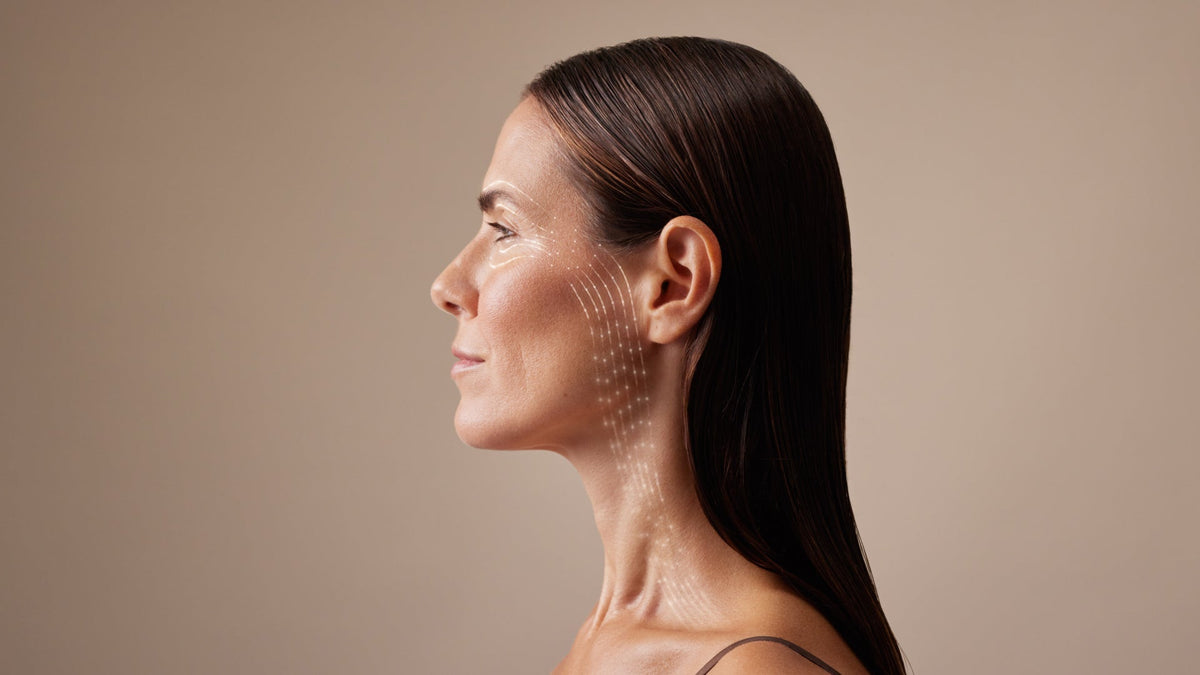
Es ist das Abfallentsorgungsnetzwerk Ihres Körpers, und wenn es nicht gut fließt, leidet alles andere darunter.
Ist Schwellung immer ein Lymphproblem oder manchmal etwas anderes?
Nicht immer. Schwellungen können Flüssigkeitsansammlungen, Entzündungen, Hormone oder der Lebensstil sein. Aber das Lymphsystem spielt eine Schlüsselrolle bei der Beseitigung überschüssiger Flüssigkeit und entzündlicher Abfallprodukte.
Welche lymphfreundliche Gewohnheit können wir täglich zu Hause ausüben?
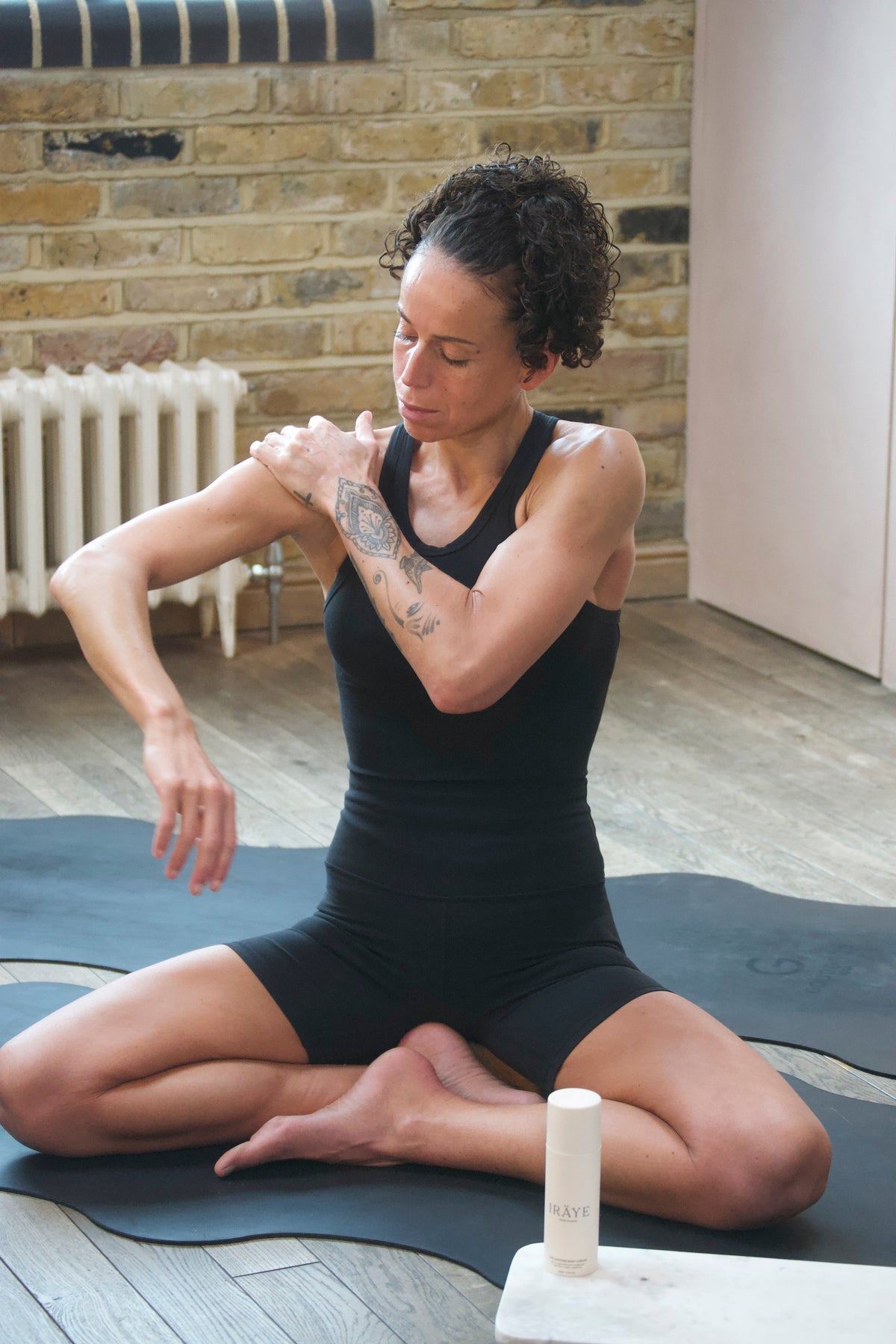
Bewegen Sie sich. Gehen Sie spazieren, hüpfen Sie, dehnen Sie sich, schwingen Sie die Arme, atmen Sie tief. Lymphe bewegt sich durch Atmung und Muskelbewegung – insbesondere durch das Zwerchfell.
Morgens oder abends für die Lympharbeit und warum?
Der Morgen ist belebend – großartig zum Schütteln, Klopfen, Gehen und für dynamische Bewegungen. Der Nachmittag (besonders 15–17 Uhr) ist ideal für tiefere, langsamere, beruhigendere Lympharbeit.
Was ist besser: Geräte oder Hände?
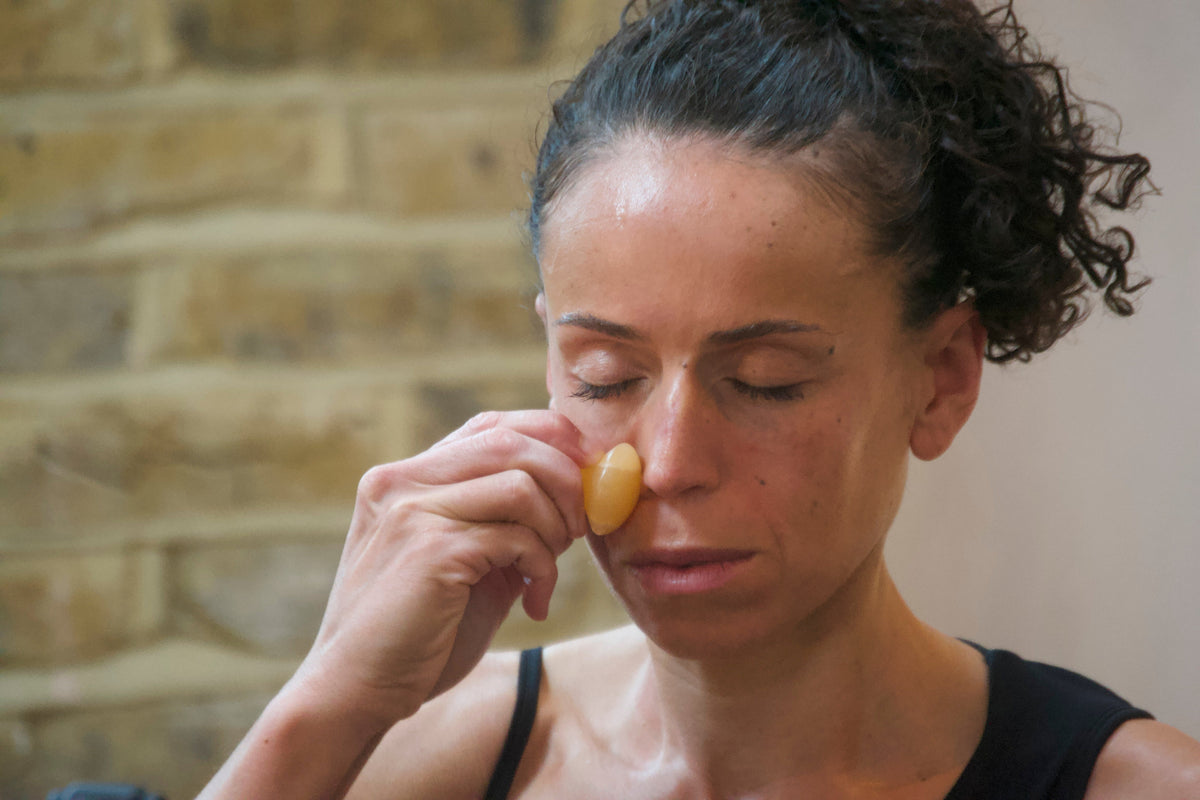
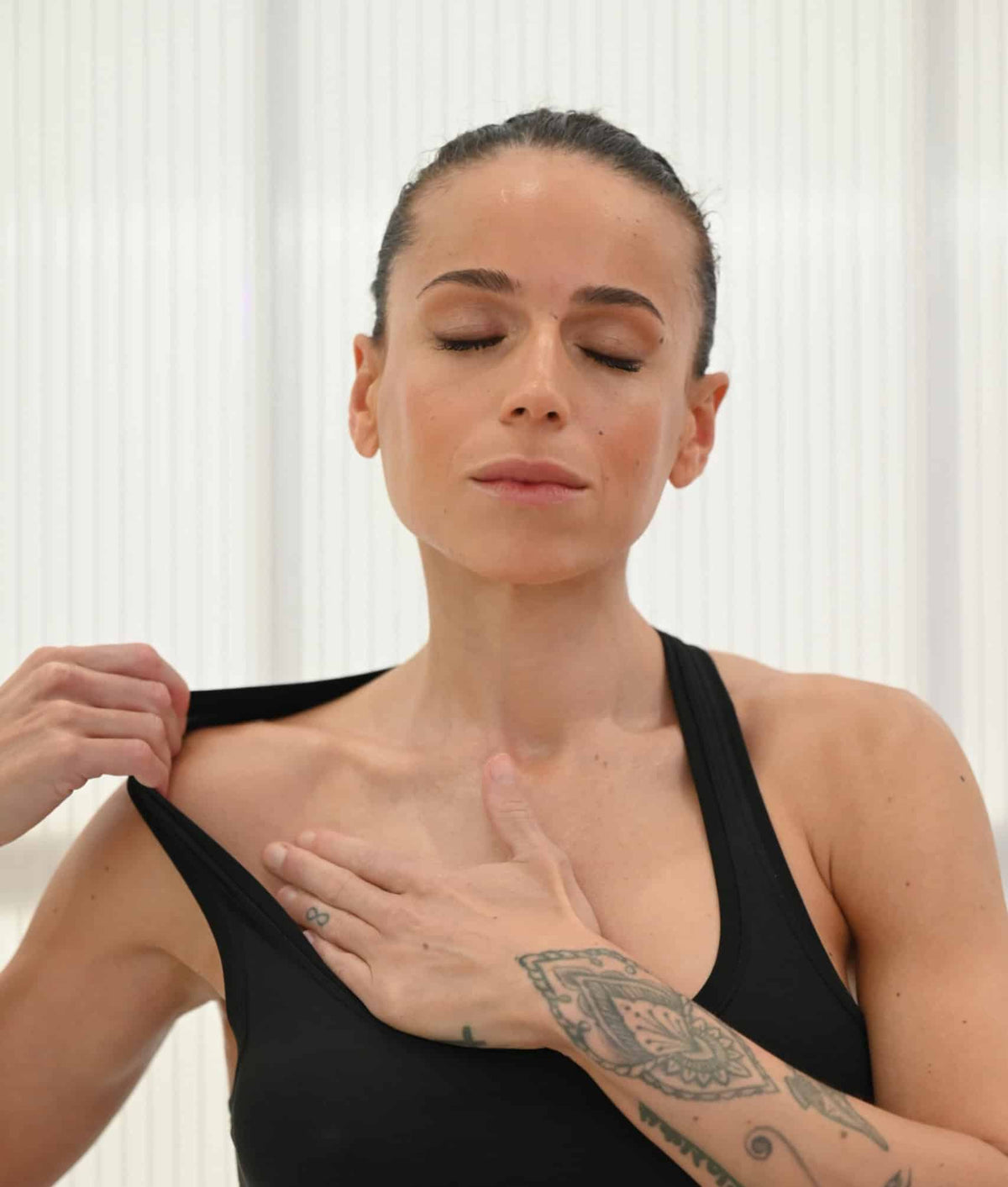
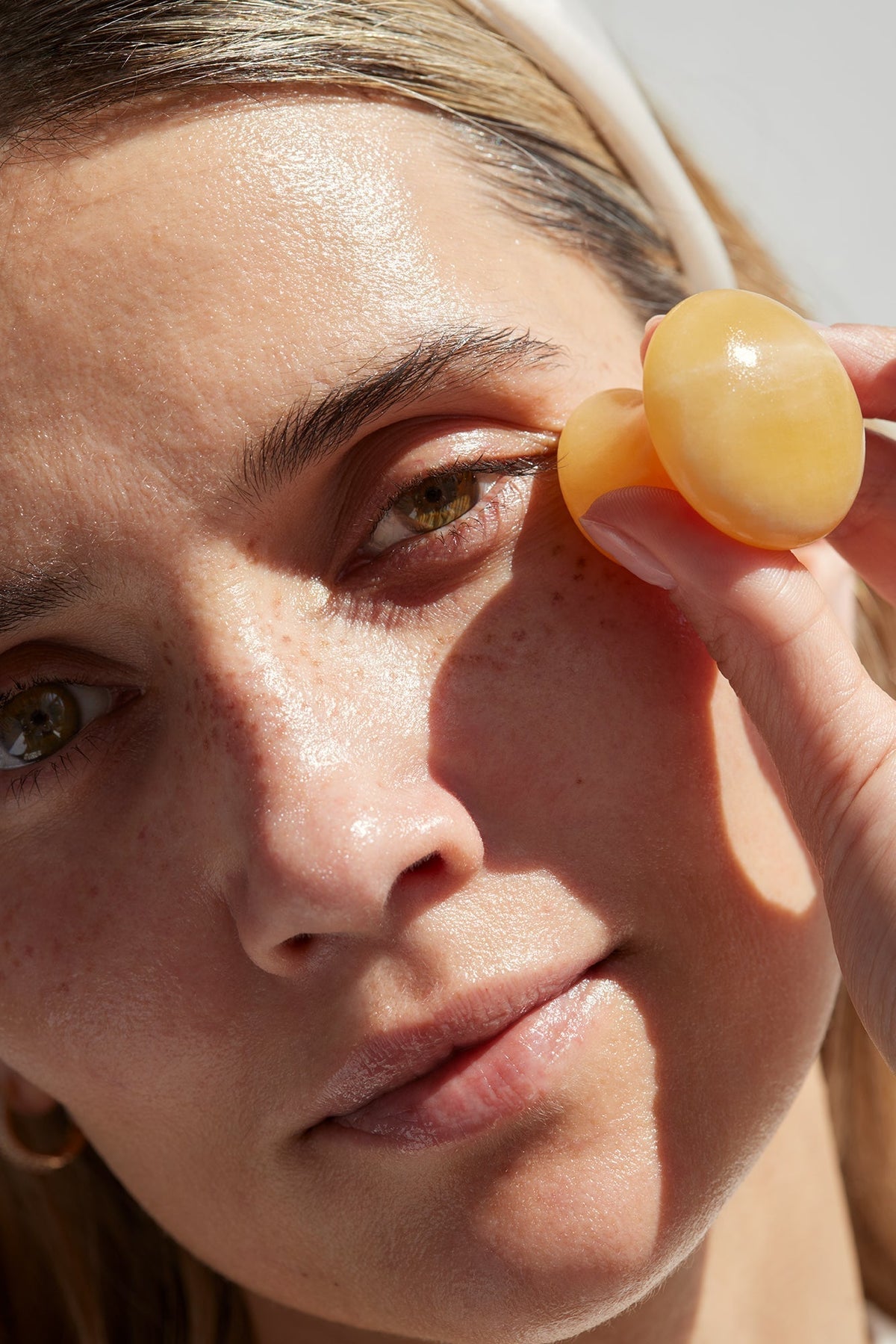
Zuerst Hände. Berührung ist regulierend und kraftvoll. Geräte wie Vibrationsplatten oder Rotlicht können die Arbeit unterstützen – aber Ihre Hände sind die Grundlage.
Welchen Mythos über Lymphe würden Sie entschieden widersprechen?
Dass es eine Luxusbehandlung ist. Man muss nicht reich sein, um seine Lymphe zu unterstützen – man kann lernen, es selbst zu tun. Es ist kein Schnelllösungstrick zum Abnehmen; es ist grundlegende Körperpflege.
Tipps, um sich im Frühling wohlzufühlen?
Hydrieren. Bewegen. Atmen. Eliminieren.