















Lymphatic Drainage Massage
Lymphatic drainage massage is one of the most searched wellness treatments of the past few years. It appears on social media and names such as Hailey Bieber have sworn by the treatments.
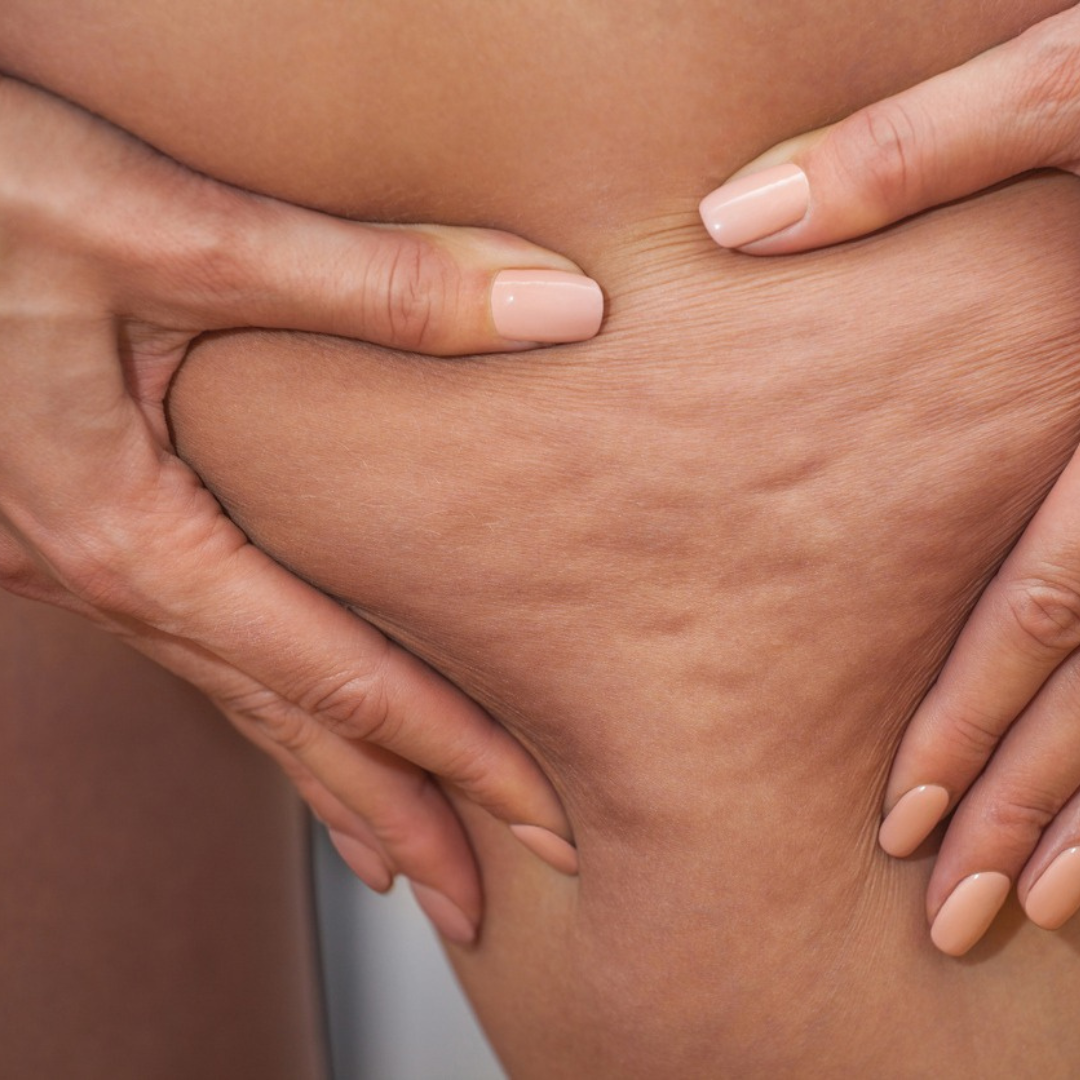
More people are asking why they feel persistently puffy, why their legs feel heavy, and why body contour seems to fluctuate regardless of what they eat or how much they move. The answer, in many cases, is the lymphatic system and drainage is the most direct way to support it.
Interest in body contouring, water retention and lymphatic health has grown together. People are no longer looking for surface-level fixes. They want to understand what is happening beneath the skin, and what they can do about it.
In this article, you will learn exactly what lymphatic drainage massage is, what it can realistically do, how long results last and most importantly, what you need to do daily to make those results last.
What Is a Lymphatic Drainage Massage?
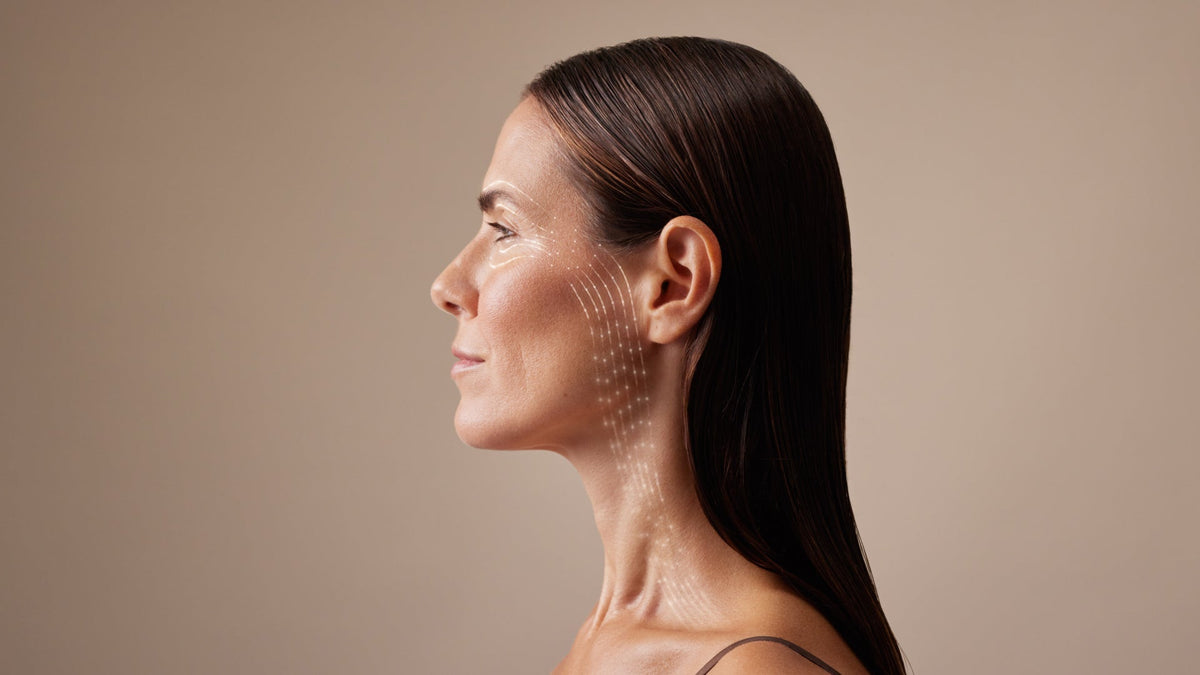
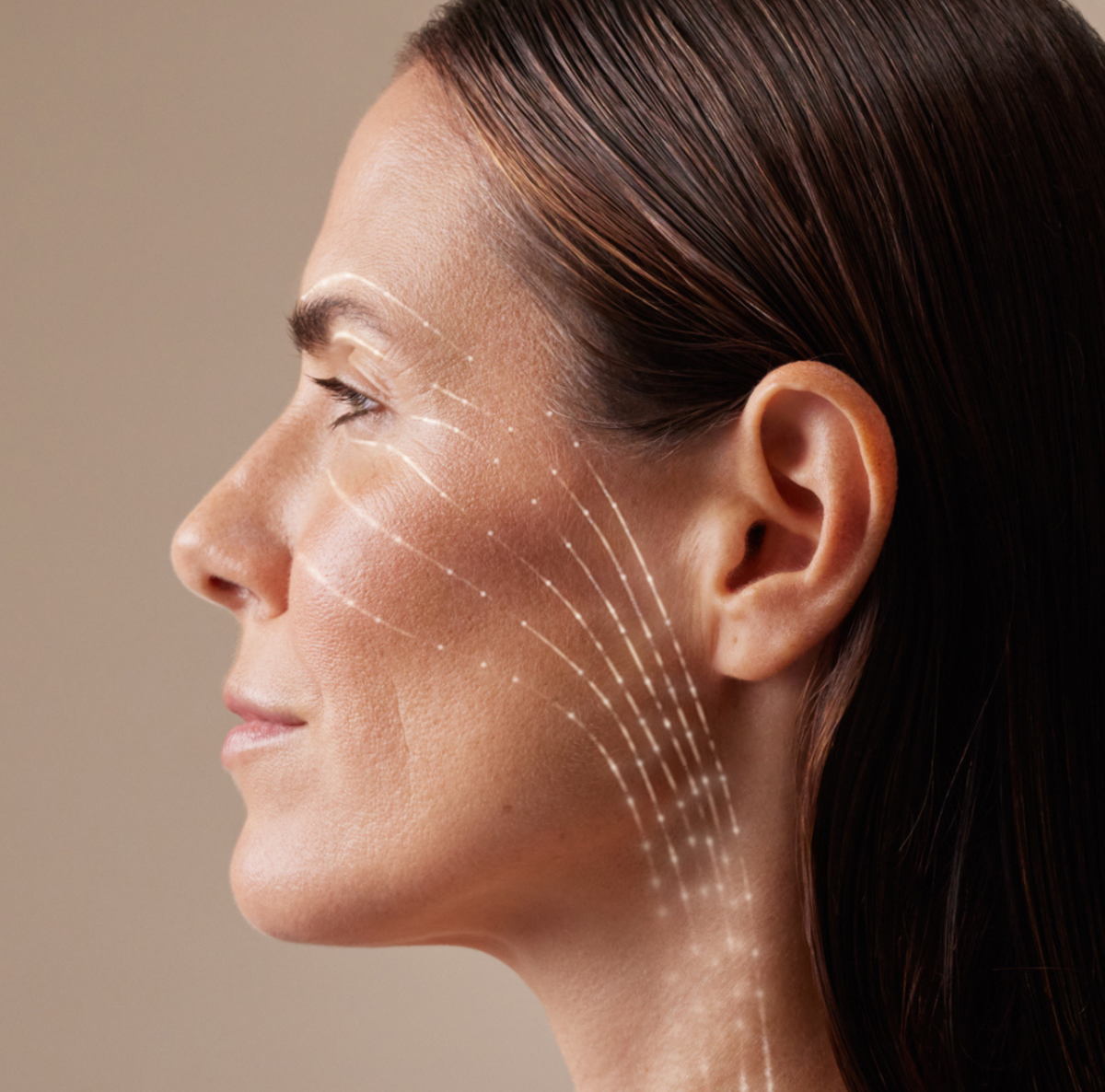
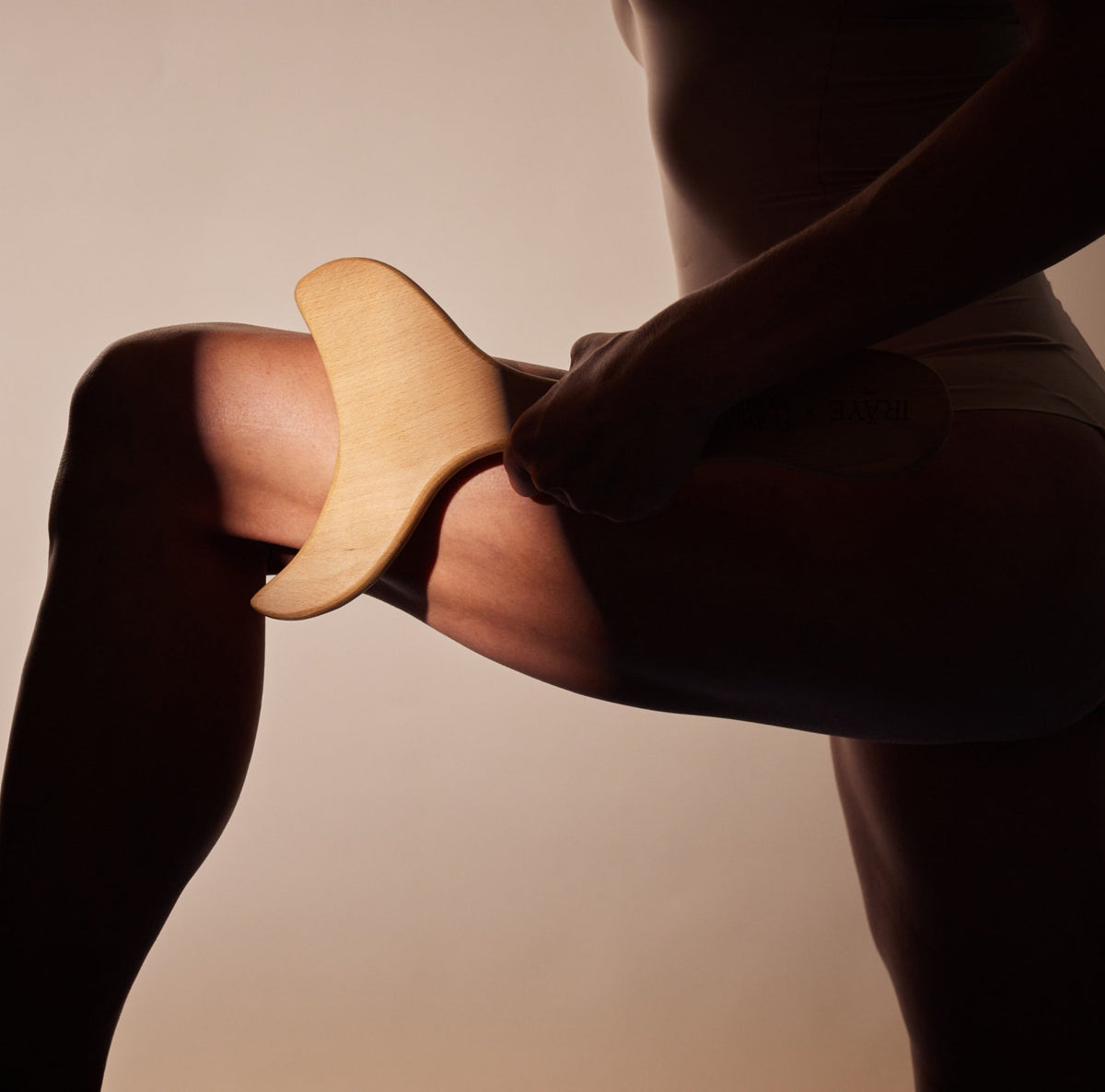
Lymphatic drainage, formally called manual lymphatic drainage (MLD) applies light, rhythmic, directional pressure along the lymphatic pathways to manually move stagnant fluid toward the nearest lymph nodes.
The pressure used is deliberately gentle. Lymphatic vessels sit just beneath the skin, not deep in the muscle tissue. The technique maps these vessels, opens the node clusters strategically, then uses slow strokes to guide fluid toward them.
The result is a measurable reduction in interstitial fluid, the retained fluid sitting in the spaces between cells that is responsible for puffiness and blurred body contours.
What makes it different from a traditional massage?
A traditional massage works on the muscles: releasing tension, improving local blood circulation, reducing soreness. It goes deep.
Lymphatic drainage works on a different anatomical layer entirely. The pressure is lighter, the pace is slower, and the goal is not to relax muscle tissue but to move fluid. The practitioner is not treating tension they are following a drainage map.
The experience is calming rather than physically intensive, and the effects are felt in the hours following treatment rather than immediately on the table.
What Happens During a Professional Lymphatic Drainage Treatment?
What techniques do practitioners use?
Most professional lymphatic drainage follows the Vodder method, the most clinically validated technique in both medical and aesthetic practice. The session always begins at the lymph nodes: neck, armpits, and groin. These must be opened first, because they are the destination for all the fluid that will be moved.
From there, the practitioner works across the body using circular, pumping and strokes in directional, light and always moving toward an open node cluster.
How long does a session typically last?
A full-body session typically runs 60 to 90 minutes. Targeted sessions focused on the legs, abdomen, or face can be effective in 45 to 60 minutes.
The structured, node-by-node approach means the technique cannot be rushed. Abbreviating the protocol significantly reduces results.
What should you expect immediately after treatment?
Most people notice a feeling of physical lightness within the first hour, a reduction in the heaviness they came in with. Visible reduction in puffiness, particularly around the ankles, calves, or abdomen, often appears within a few hours.
An increase in urination is normal and expected: the kidneys are processing the fluid the lymphatic system has just returned to circulation. Mild fatigue is also common. Staying well hydrated in the hours following treatment supports and accelerates this clearance.
What Are the Benefits of Lymphatic Drainage?
1- Helps reduce water retention and puffiness
2- Supports lighter-feeling legs
3- Enhances body definition and contour appearance
4- Promotes a feeling of well-being and relaxation
5- Supports circulation and fluid movement
How Often Should You Get a Lymphatic Drainage Massage?
Occasional maintenance
For generally healthy lymphatic function and mild, manageable puffiness: once or twice a month is sufficient to maintain good baseline drainage and prevent accumulation between sessions.
Periods of increased fluid retention
During premenstrual days, post-travel recovery, or extended periods of heat or inactivity increasing to weekly sessions allows the lymphatic system to keep pace with the higher fluid load.
Knowing what drives fluid retention in the first place helps you stay ahead of it. Read Why Does Water Retention Happen for the full breakdown.
Seasonal support during warmer months
Heat causes blood vessels to dilate, increasing the rate at which fluid leaks into surrounding tissue. The lymphatic system struggles to drain it as quickly as it accumulates in sustained heat. A monthly or biweekly summer protocol addresses this pattern directly.
Finding the right frequency for your lifestyle
There is no universal prescription. The more important variable is not how often you see a practitioner, but what you do on the days in between. A professional session every two weeks supported by consistent daily habits will always outperform more frequent sessions without them.
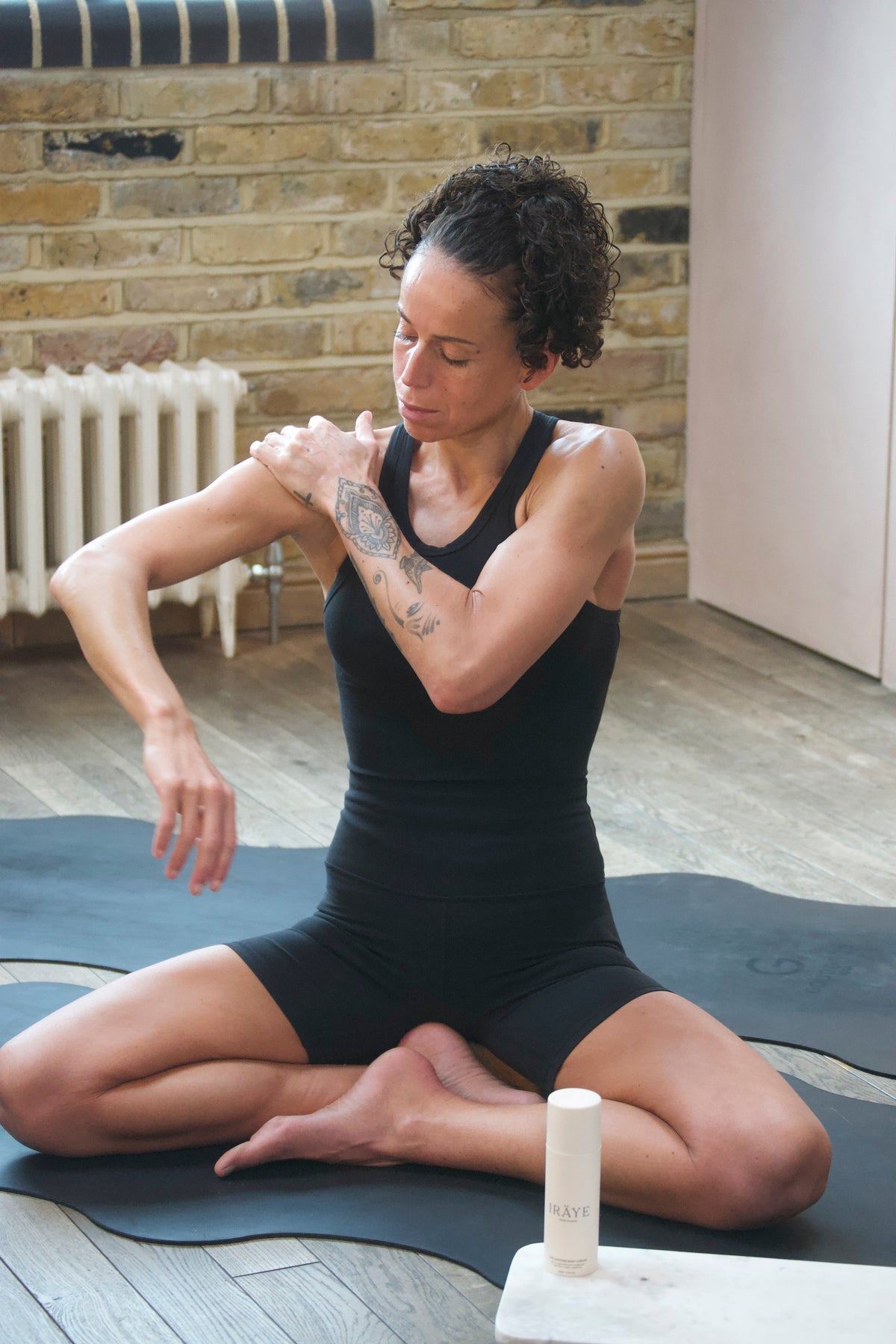
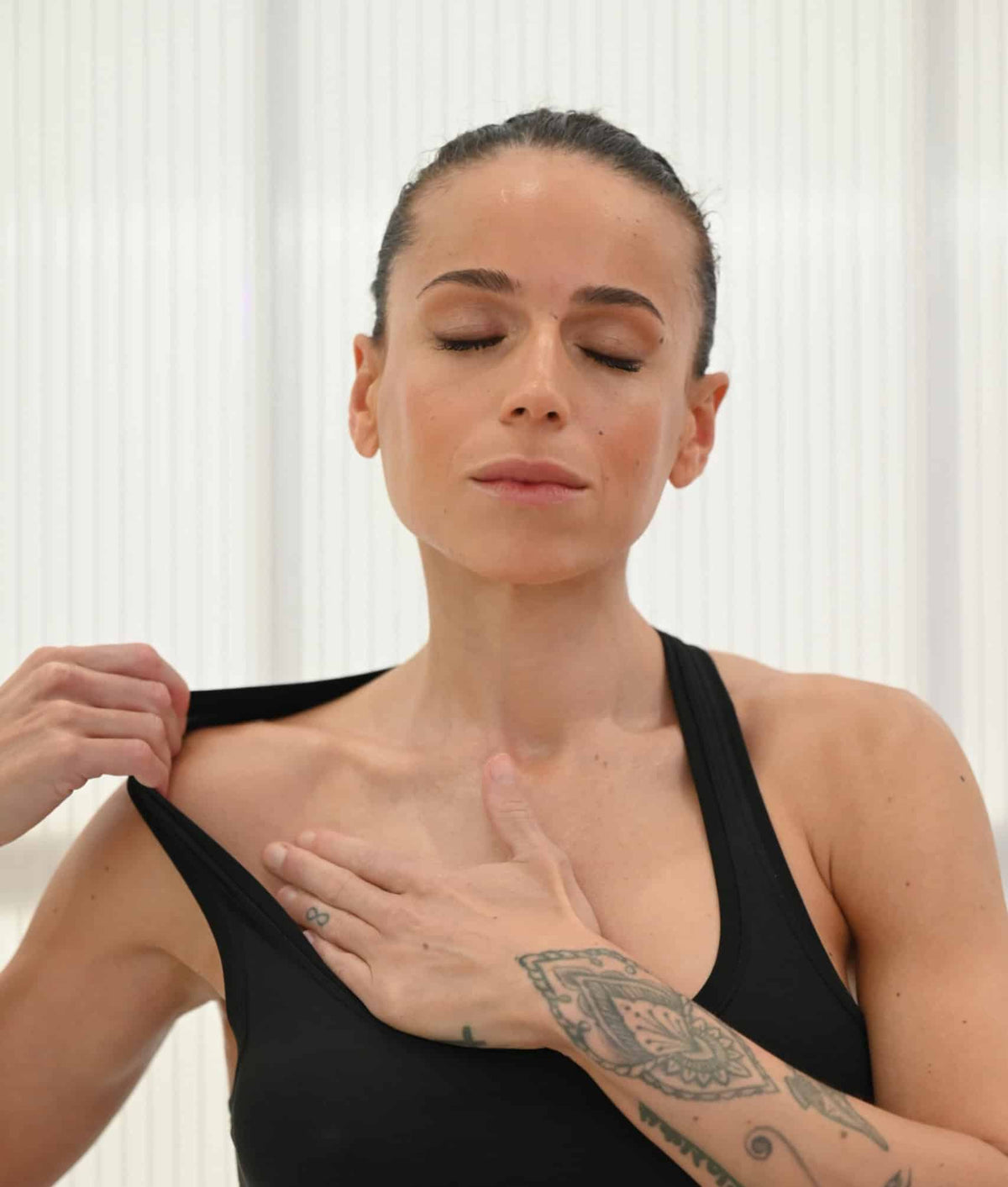
How connected are you to your body? Watch our tutorial with the Lymph Expert Carli Wheatley, where she leads a 1-minute body awareness and self-care check, tuning into areas of tension, puffiness or stagnation, and bring conscious care to your lymphatic health.

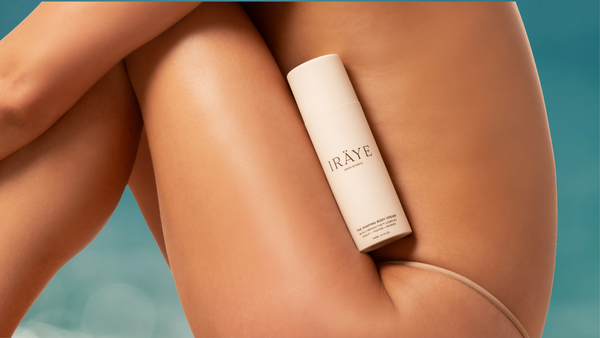
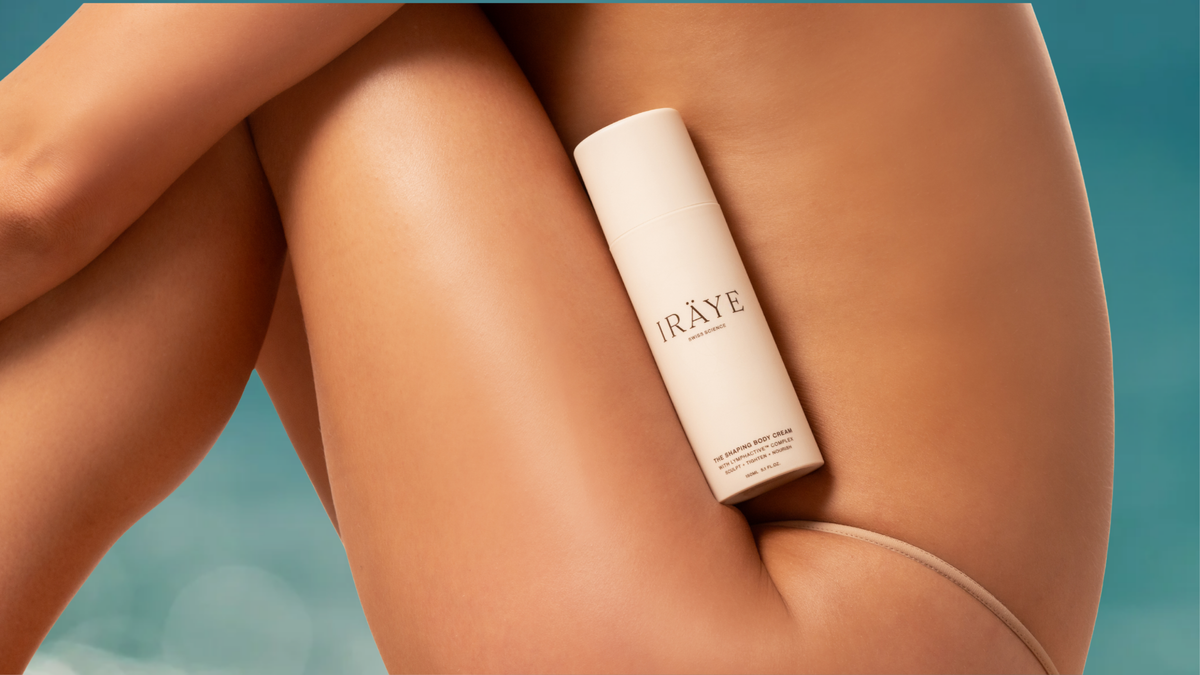
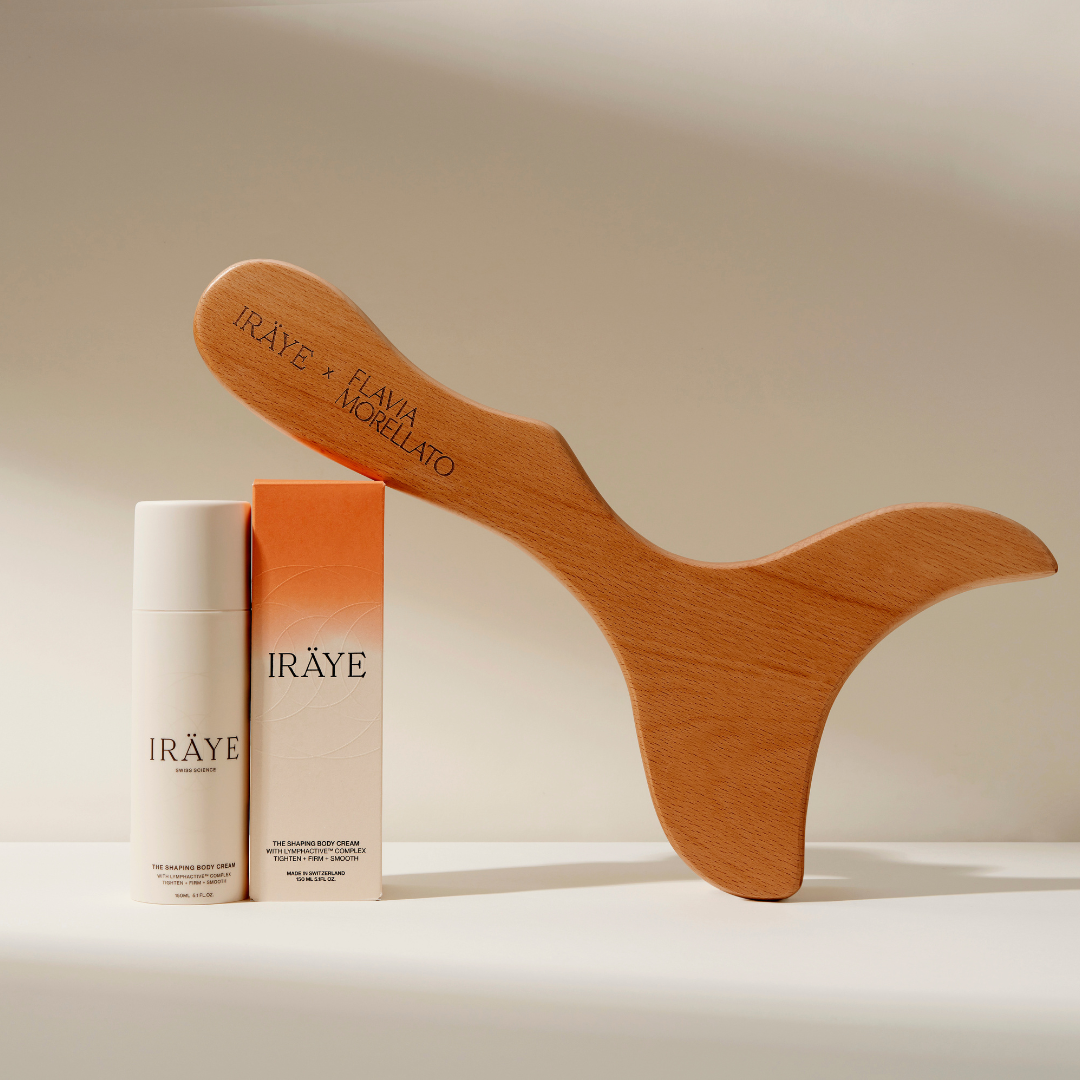
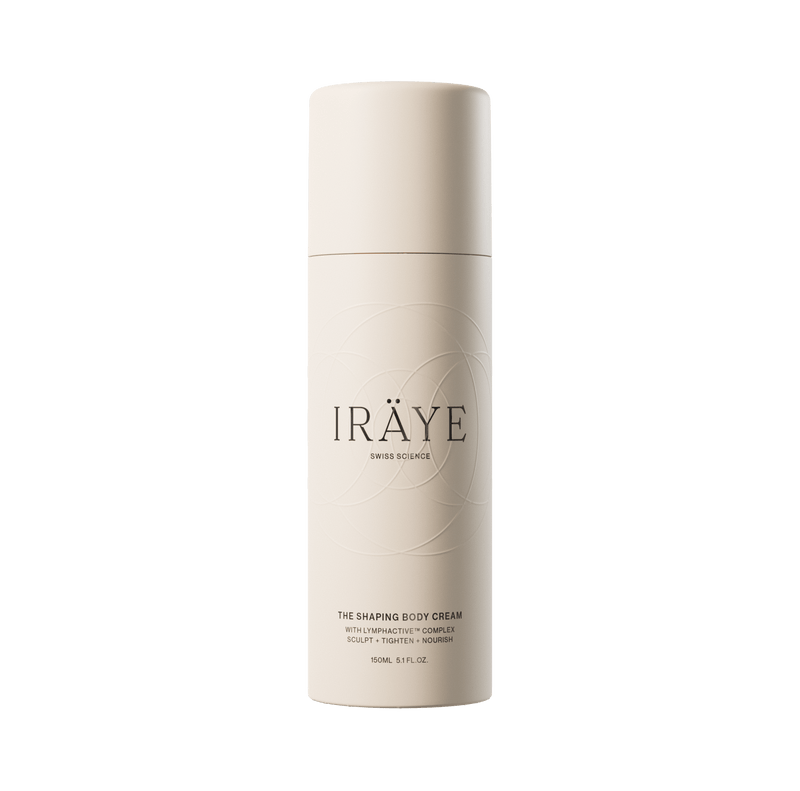
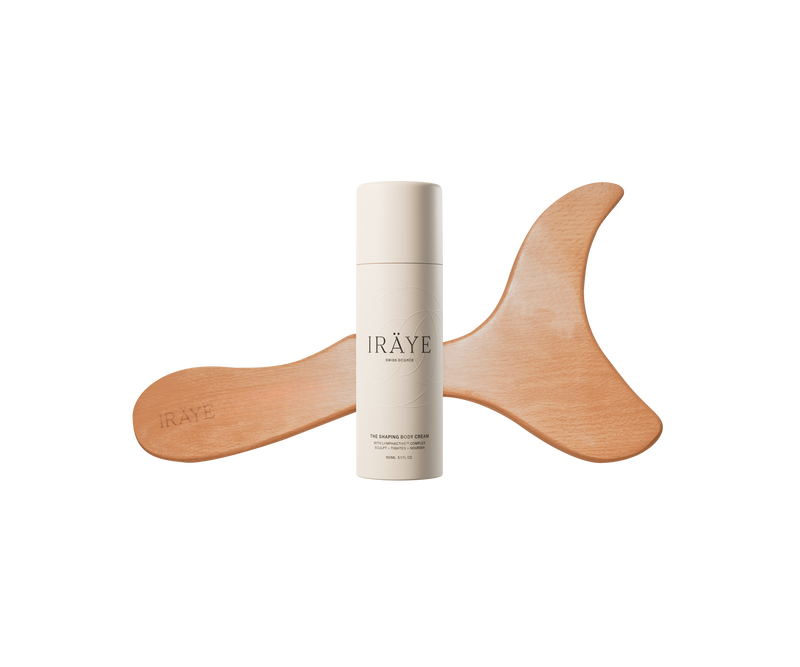
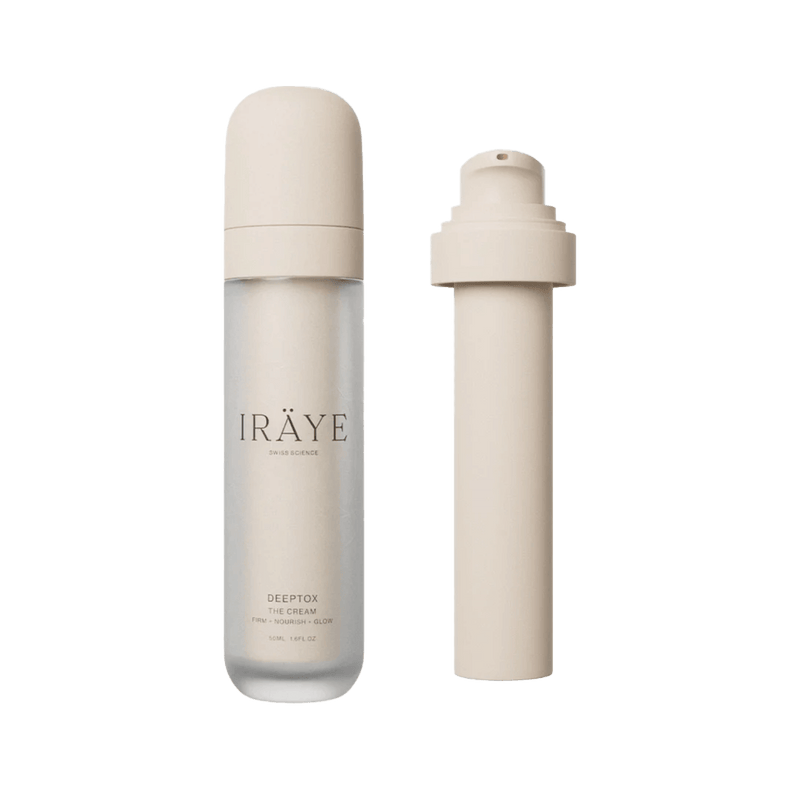
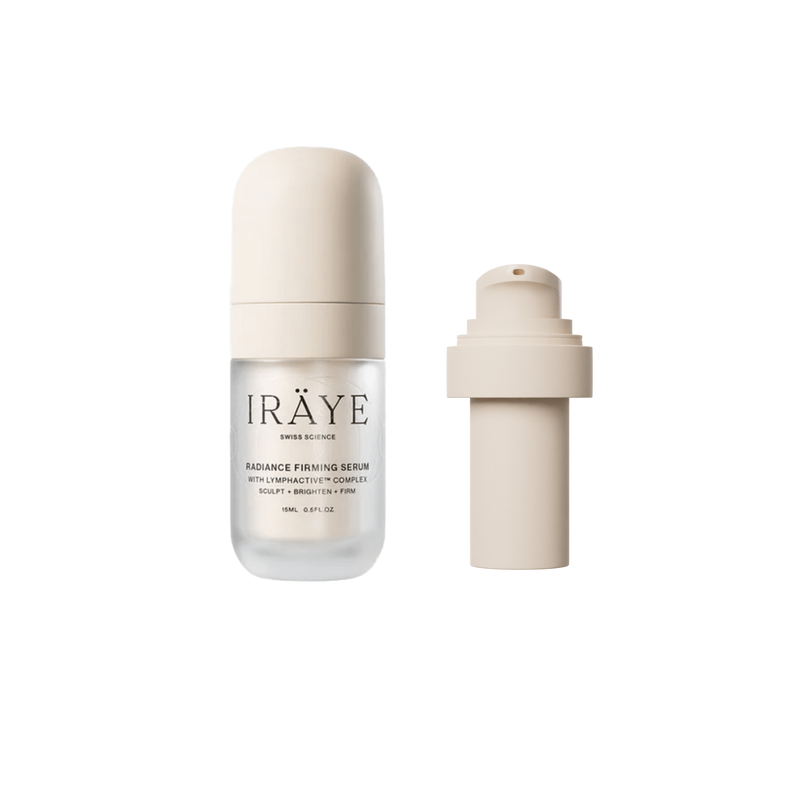
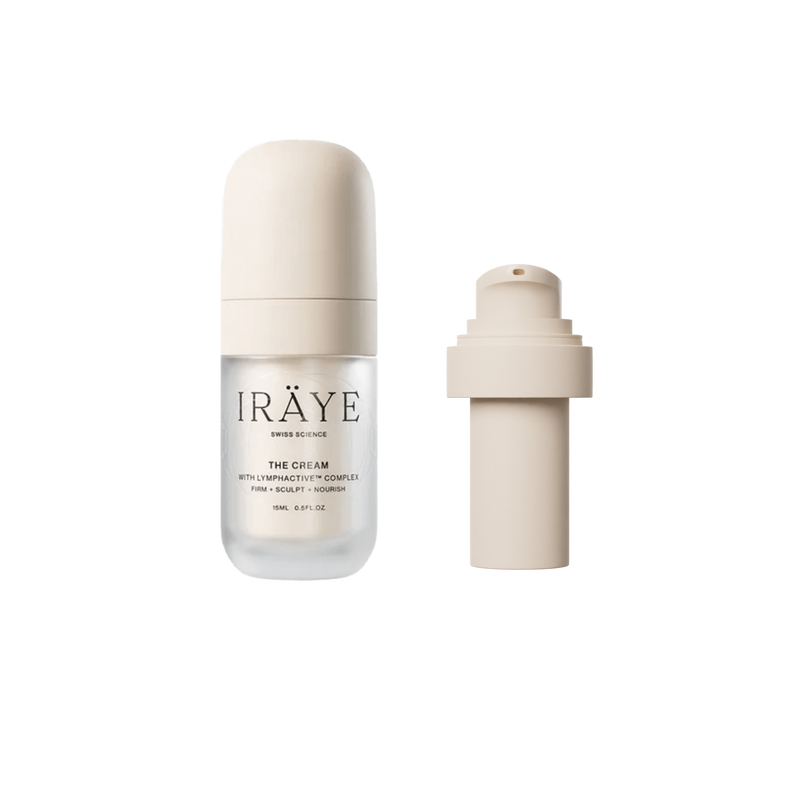
The Shaping Body Cream With Lymphactive™ was formulated to be that daily support — activating lymphatic drainage from within the skin, firming and sculpting with every use, and building results that grow rather than fade. Discover The Shaping Body Cream With Lymphactive™