








Reduce Fluid Retention with Movement and Lymphatic Drainage
How to reduce fluid retention through movement?
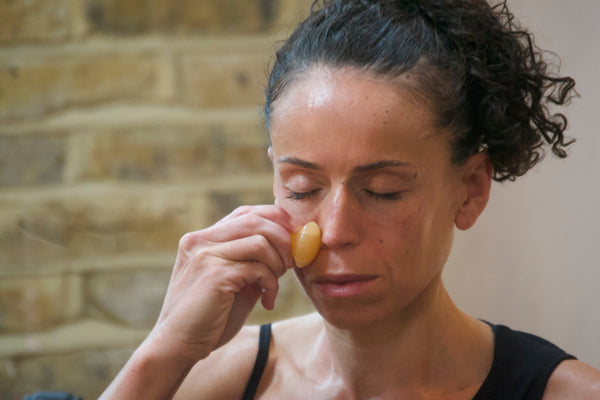
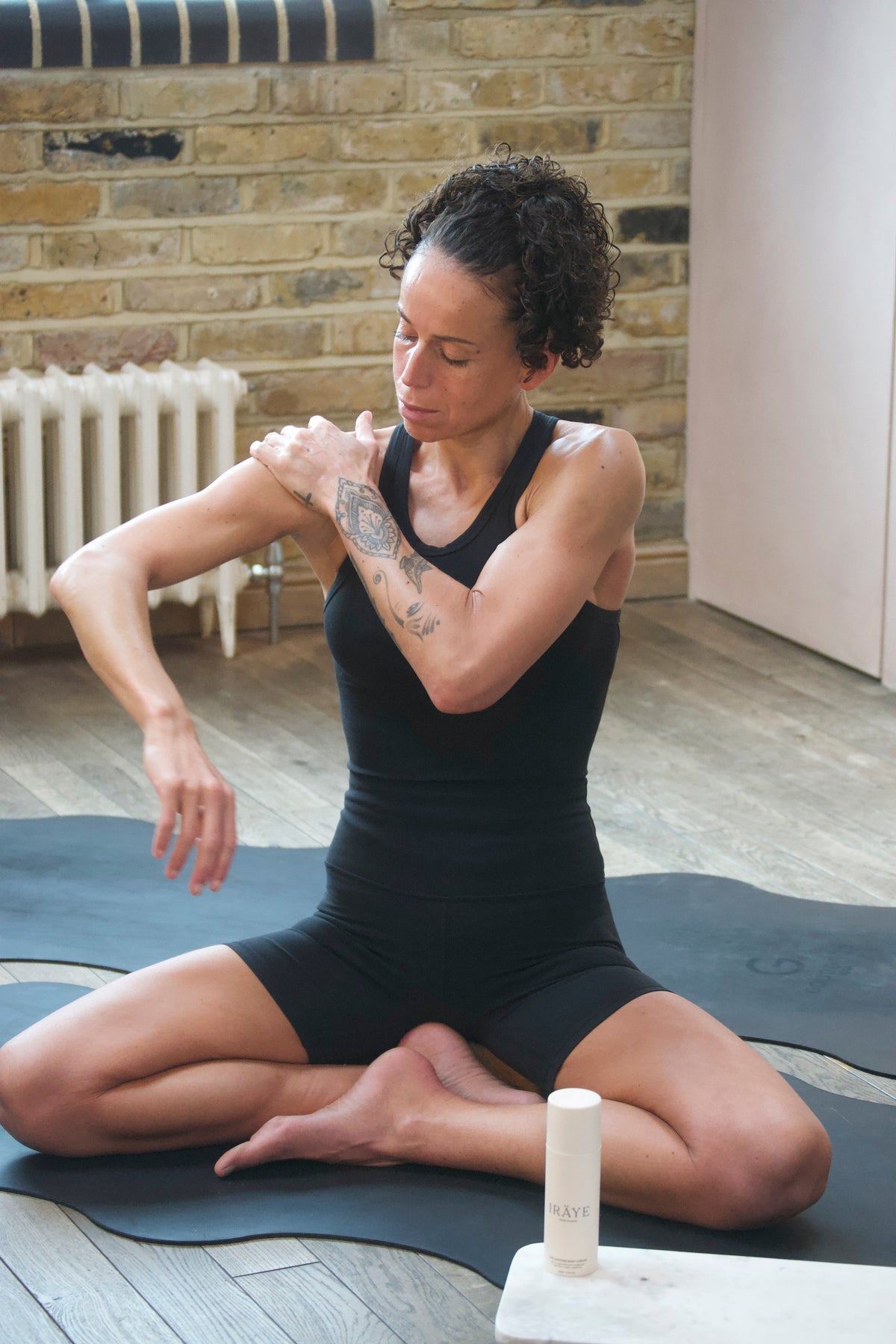
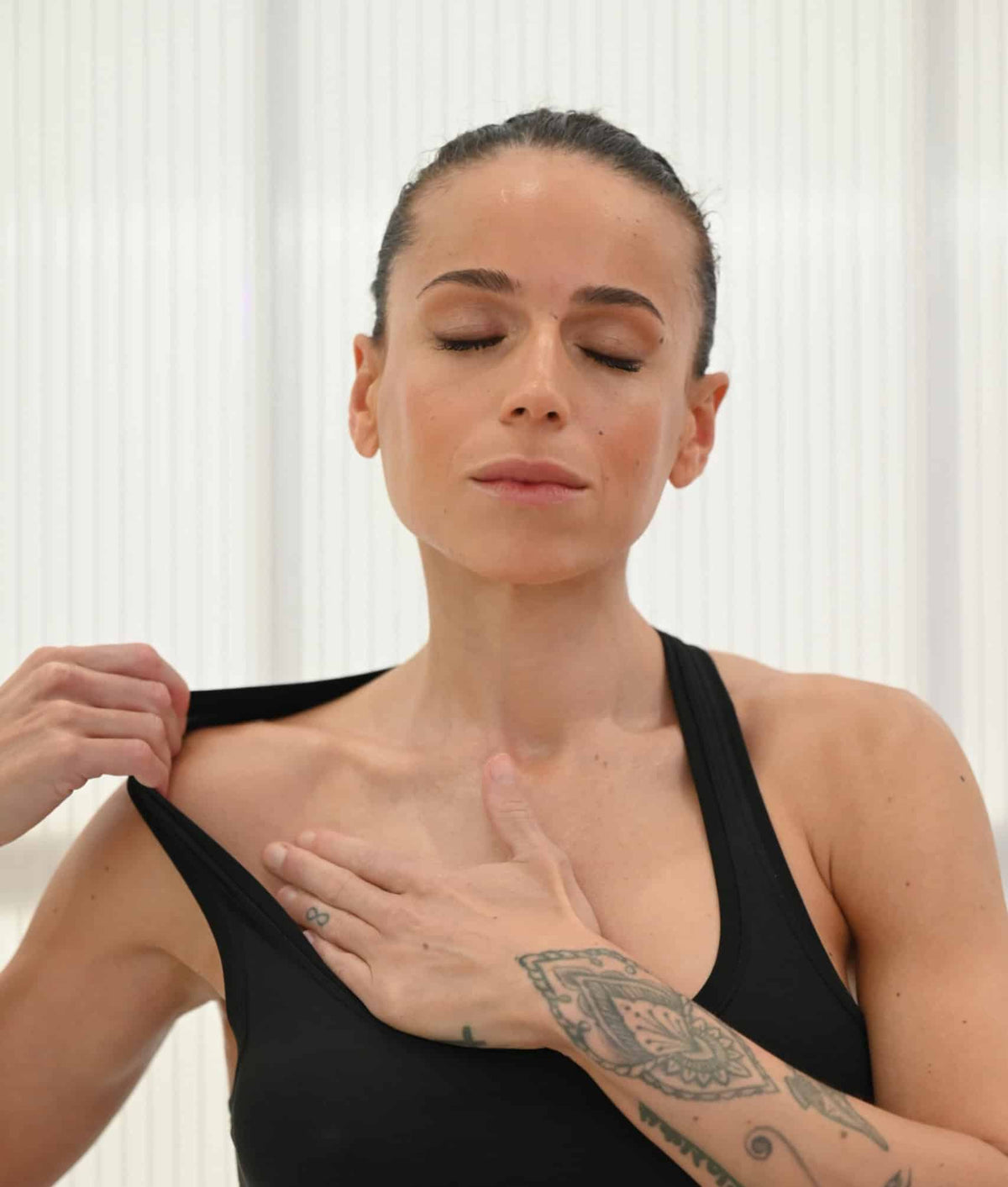
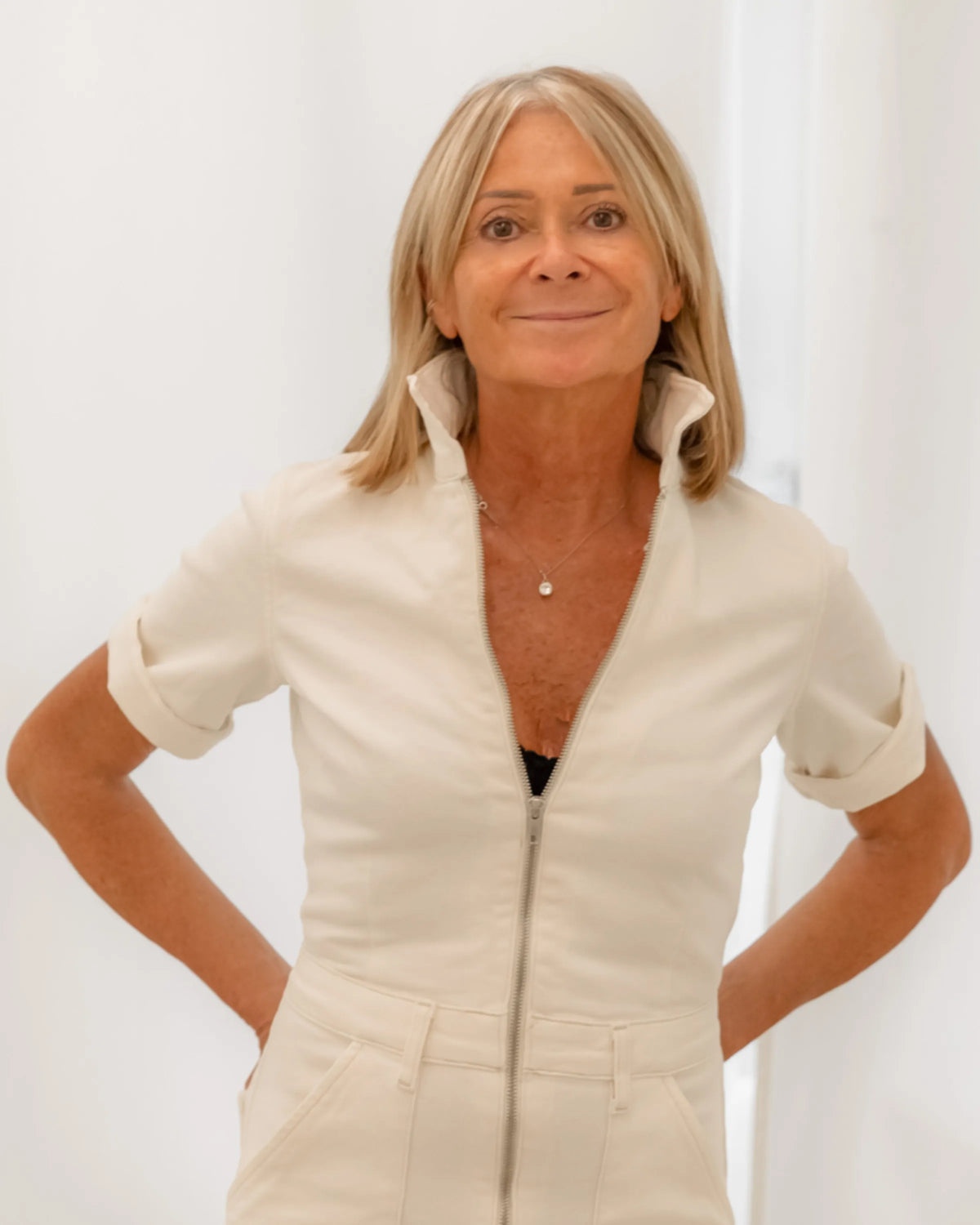
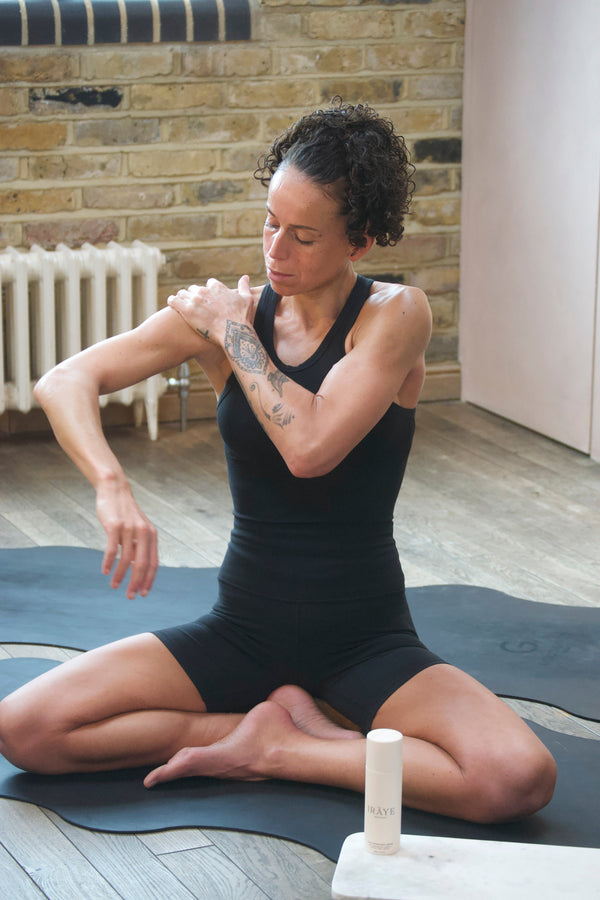
Carli Wheatley (@lymphlover) is a London-based lymphatic health educator whose work blends modern lymphatic science with breath, movement, and principles from Chinese medicine. Through workshops, small group sessions, and educational content, she teaches people flow, self-regulation, and practical tools they can use daily to feel lighter, stronger, and more in control of their health.
As Carli explained in our recent conversation with her, one of the biggest misconceptions about lymphatic drainage is that it's a passive spa treatment. In reality, your body already knows how to drain the real issue is traffic jams at key junctions like the neck, gut, and hips. "Real lymph work is something you learn and support regularly yourself," she says. Movement is where that self-support starts.
Why Movement Works:
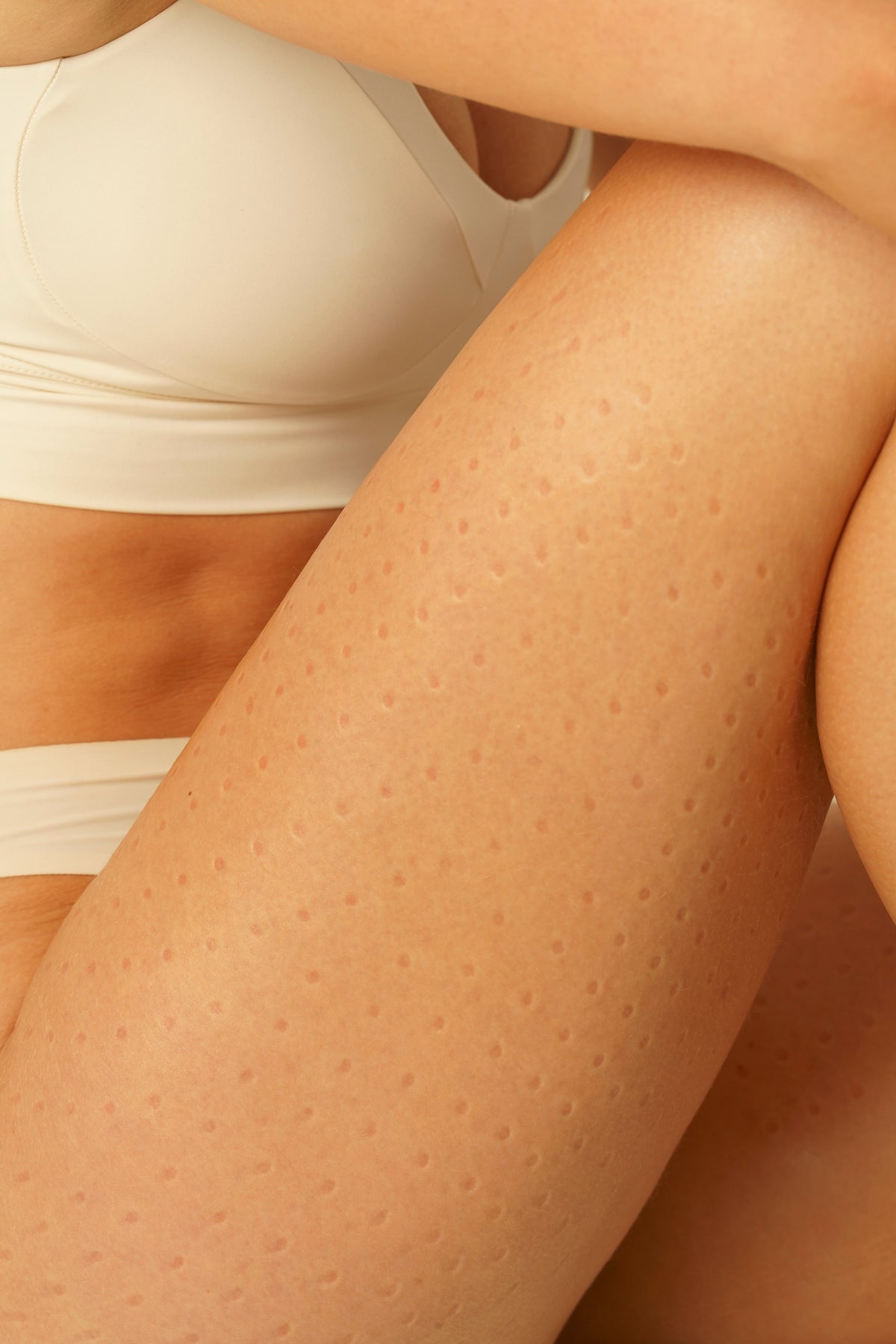
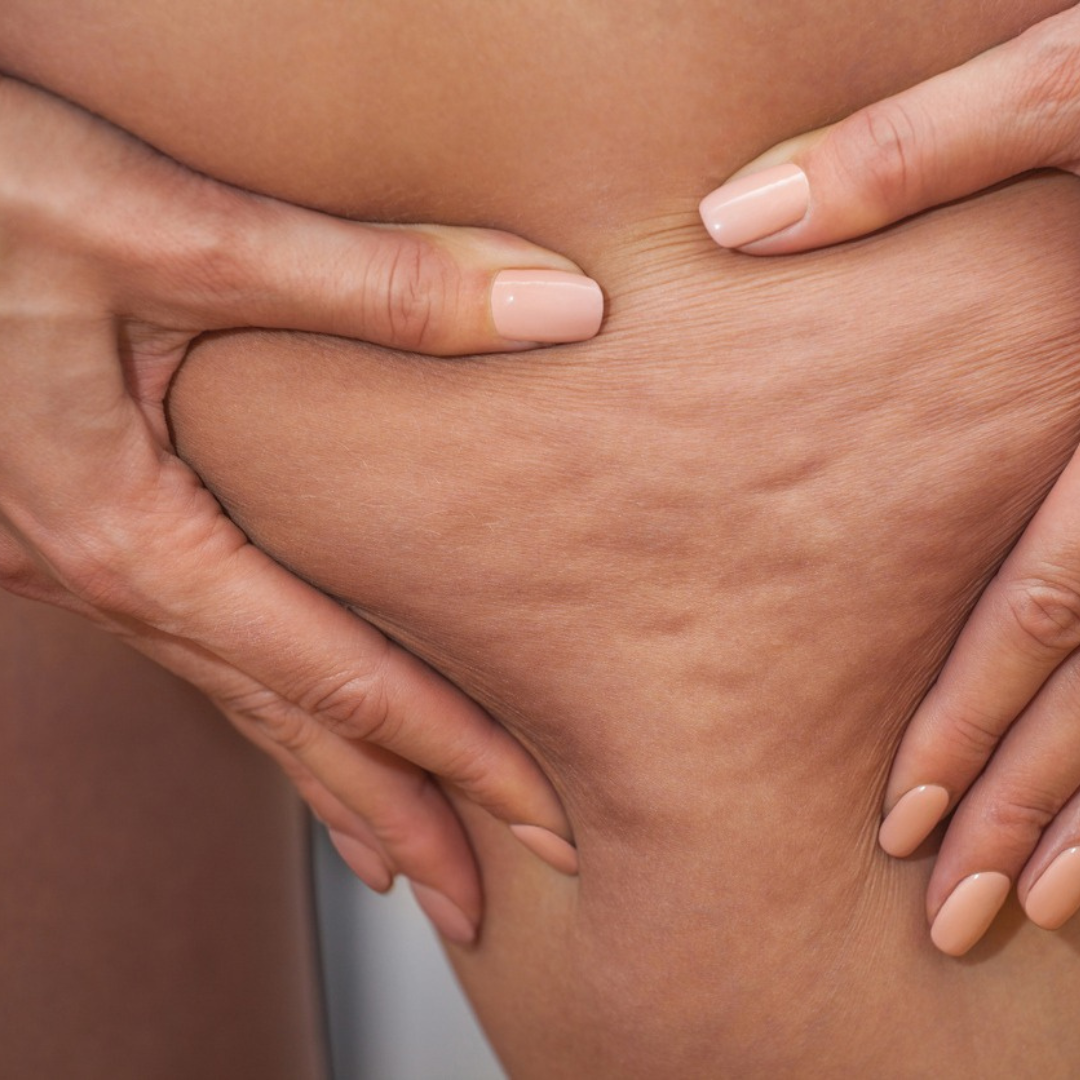
To understand why a few minutes of movement can visibly change how you look and feel, it helps to understand what's actually happening under the skin. As we cover in more depth in Why Does Water Retention Happen?, the lymphatic system is a network of vessels and nodes that collects excess fluid leaking from your capillaries and returns it to your bloodstream, along with cellular waste and inflammatory byproducts.
5 Simple Movements to Reduce Fluid Retention
None of these require equipment. Carli's approach is built on the idea that your hands and your own body are the most powerful tools you already own.
1. Walk: The simplest and most effective lymphatic stimulant available. A brisk 15–20 minute walk activates the calf muscles — often called the body's "second heart" — which drive fluid out of the lower legs and ankles, the area most affected by gravity-related pooling.
2. Bounce: Gentle bouncing creates a rhythmic up-and-down motion that stimulates lymph flow throughout the entire body at once. You don't need height — small, controlled bounces for 1–2 minutes are enough to feel the difference.
3. Swing Your Arms: Big, loose arm circles and swings open up the lymph nodes in the armpits and upper chest, an area that gets almost no movement during a normal desk-bound day. Pair this with shoulder rolls to release tension that can restrict flow around the neck and collarbone.
4. Stretch: Gentle stretching, especially side bends, twists, and forward folds, moves fluid through the trunk and gut, two of the "traffic jam" areas Carli flags most often. You're not aiming for intensity here; slow, sustained stretches give the lymphatic vessels time to drain.
5. Breathe Deeply: Diaphragmatic breathing, long inhales that expand the belly, slow exhales that fully empty it, is the most underrated movement on this list. Because the diaphragm sits directly above the thoracic duct, deep breathing is one of the fastest ways to encourage fluid to drain back into circulation, especially when paired with any of the movements above.
Even five minutes, done consistently, outperforms one long session done occasionally. Lymphatic health is built on daily habits, not one-off resets.
Pairing Movement With Skincare
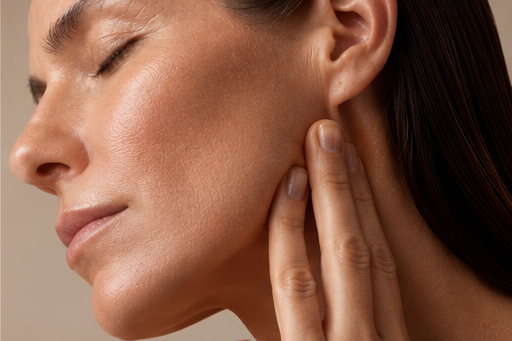
Movement gets lymph flowing. The right touch keeps it moving. Once you've built circulation through movement, a targeted massage technique with the right formula extends that drainage effect at the skin's surface.
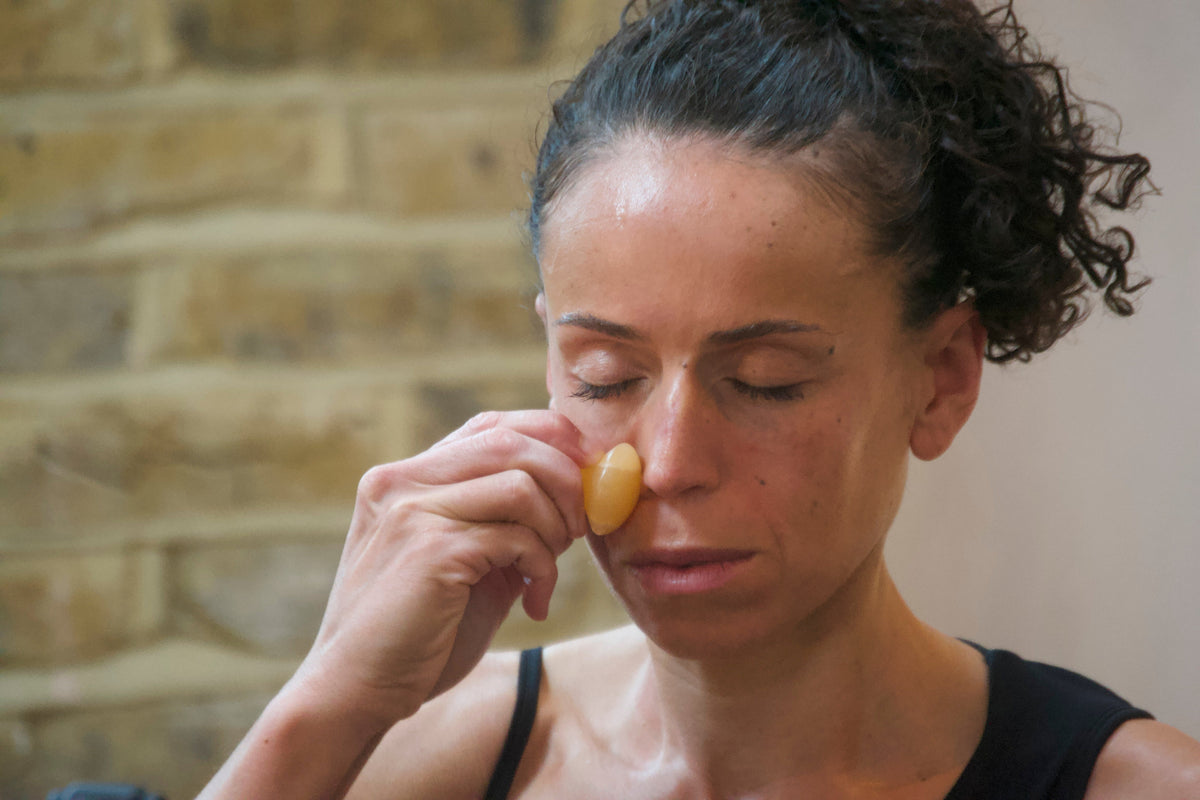
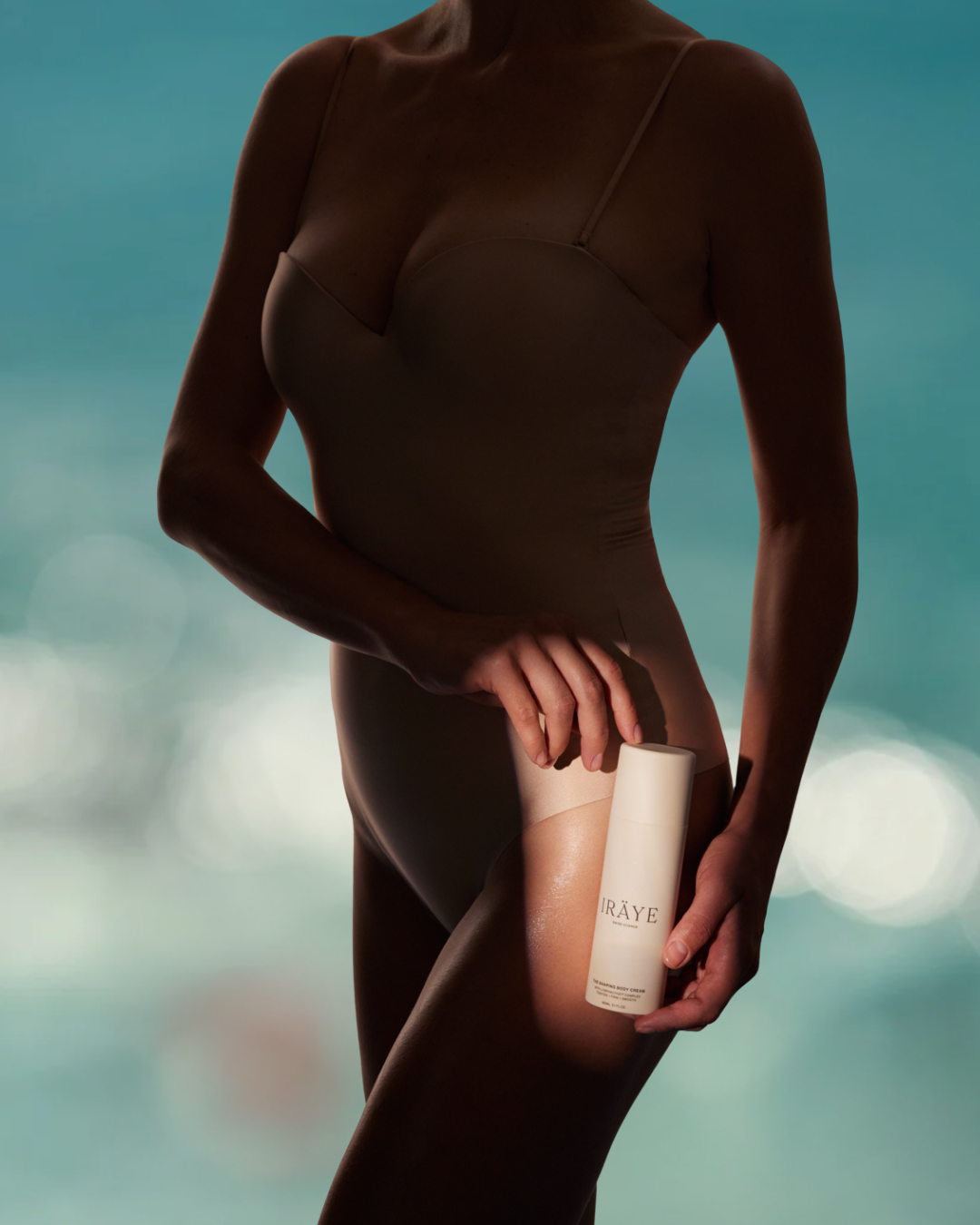
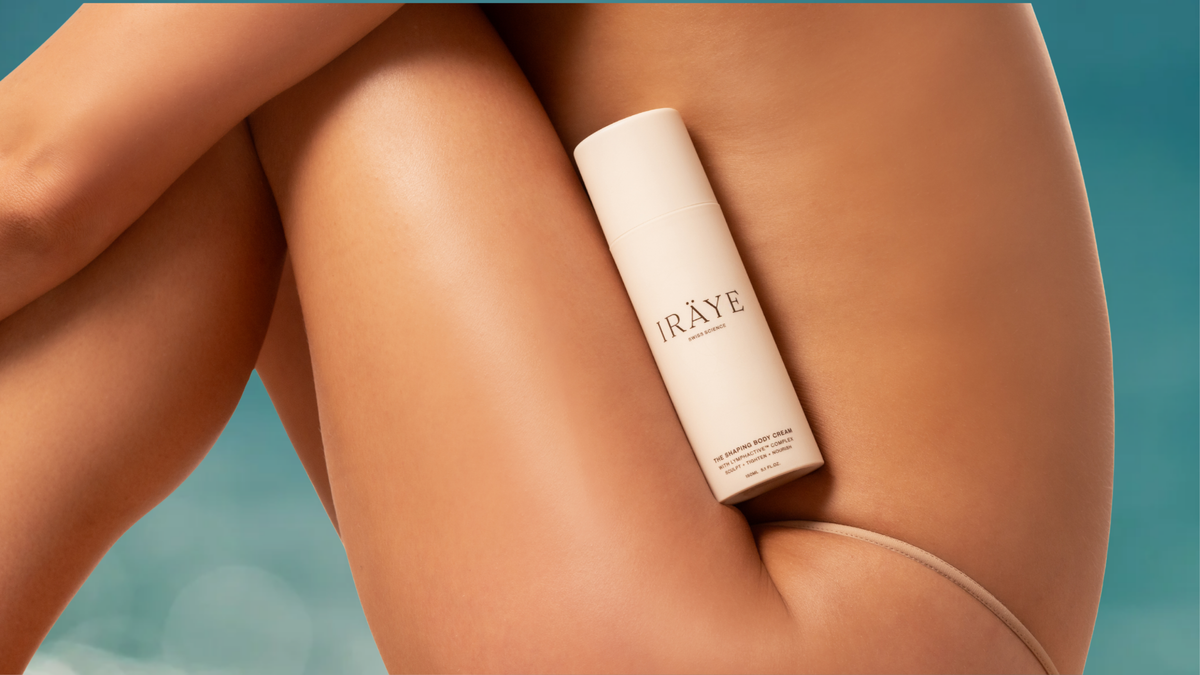
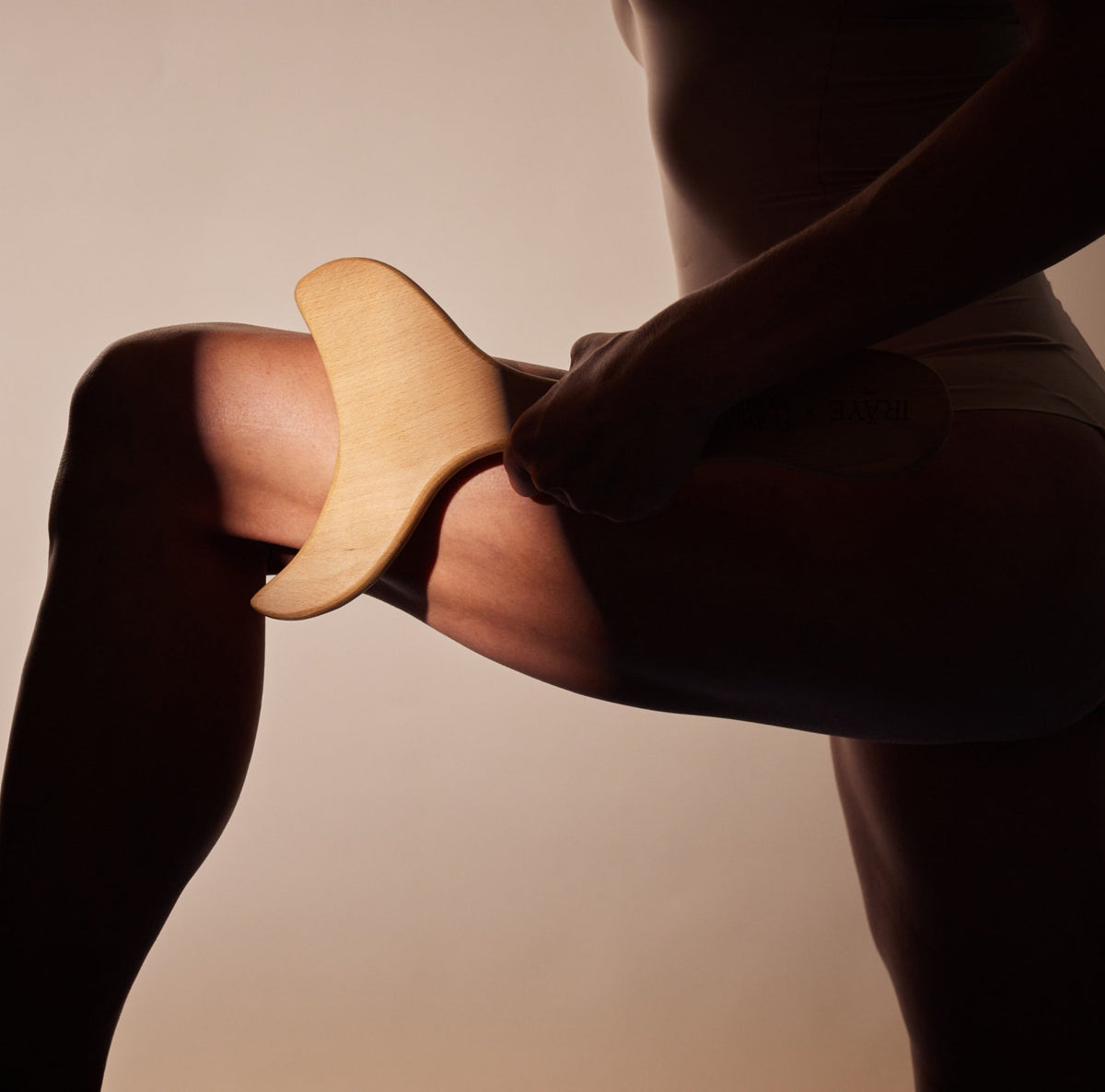
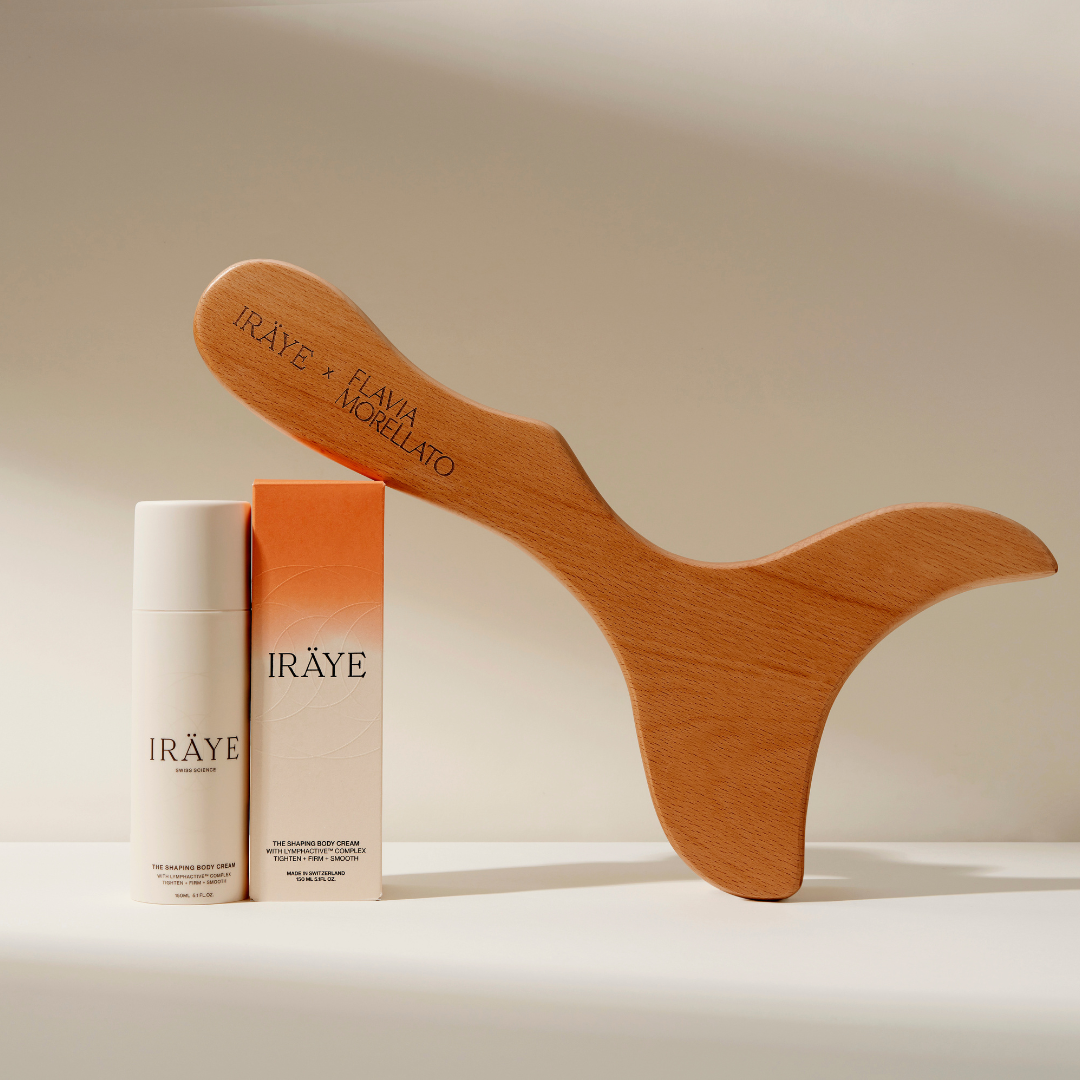
The Shaping Body Cream With LYMPHACTIVE™ is formulated to support lymphatic vessel function and is designed to be applied with a massage sequence that turns daily body care into an active drainage practice. For a more targeted ritual, The Body Gua-sha works with the cream to manually encourage flow toward the nearest lymph node cluster, the same directional principle Carli teaches in her own sessions.
Both are combined in the Lymphatic Body Expert Set, built specifically for at-home lymphatic drainage.
The Bottom Line
Fluid retention isn't a flaw in your body's design, it's a system that hasn't been given the movement it needs to do its job. Walk. Bounce. Stretch. Swing your arms. Breathe deeply. Five habits, no equipment, and a system that starts working with you instead of against you.