








The care path to Lymphedema and well-being routine
Lymphedema is a medical condition that typically requires assessment and evidence-based management. With Lymphedema when the swelling is mild, treatment is aimed at helping lymph flow away from the swollen area. Primary lymphedema is diagnosed usually quickly, provided there is access to tertiary hospitals (Stadium I+II). Secondary lymphedema is usually diagnosed when already established for some time (Stadium II).
Below we breakdown the care path to Lymphedema and what can be recommended for patients to do daily;
• Compression as prescribed (garment/bandaging depending on stage) - A multilayer bandaging approach that helps move the lymph fluid out of the affected area. Compression garment will help prevent further swelling.
• Regular movement/exercise (gentle, consistent; muscle pump is powerful) - Both help your circulation and move lymph fluid which improves lymphatic drainage.
• Weight management if relevant, without blame - Maintaining a healthy weight can help decrease your risk for getting lymphedema. Being overweight makes it harder to treat lymphedema.
• Avoid trauma and unmanaged infections - The area of the body affected with lymphedema is always at a higher risk for getting an infection. Any break in the skin can lead to infection. A skin infection can get worse by spreading to the nearby tissues. This serious infection is called cellulitis. The signs of cellulitis include swelling, redness and heat in the area.
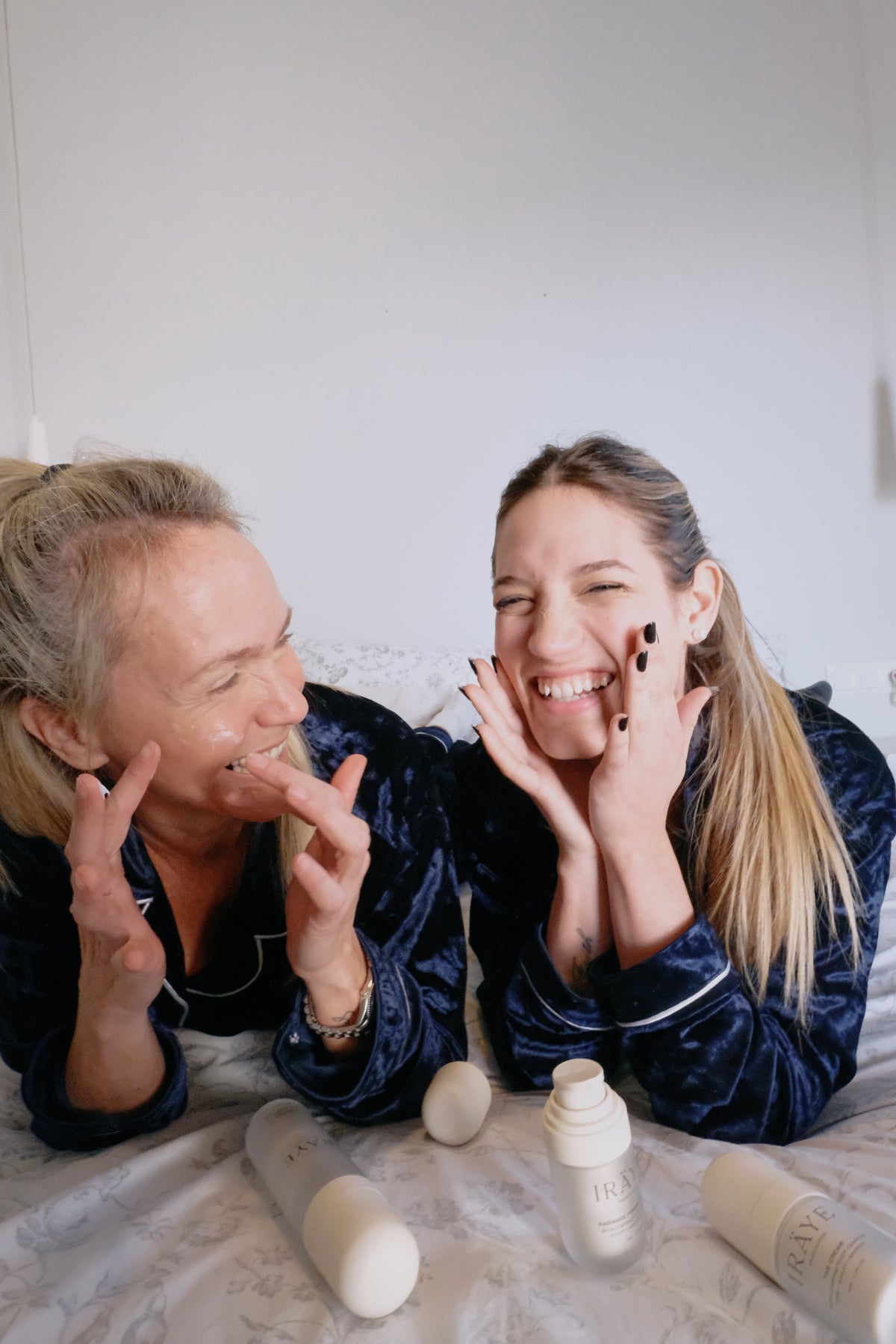
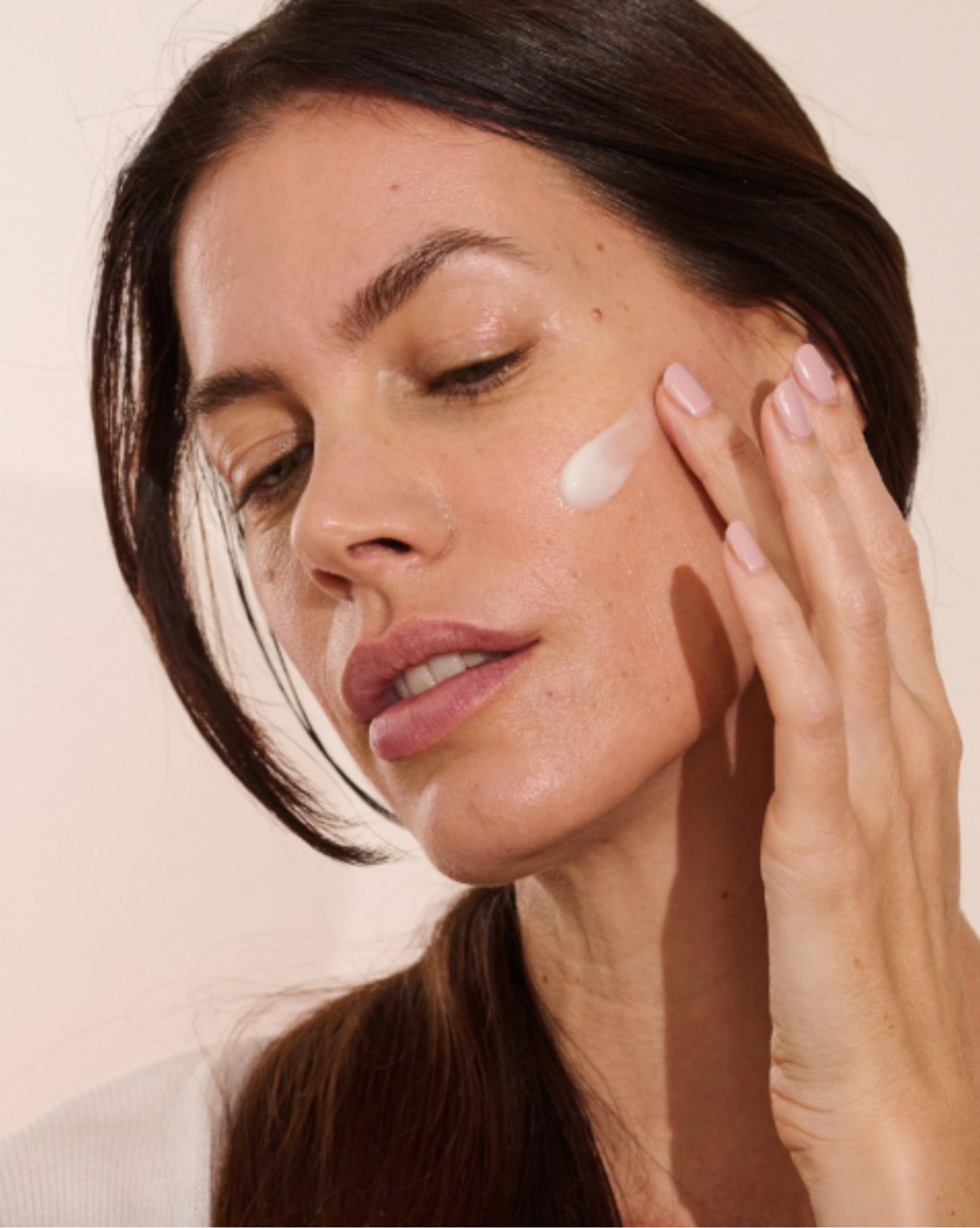
• Skincare Regime - A good skincare routine will help with hydration, protect skin from injury as well as reducing. infection risk.
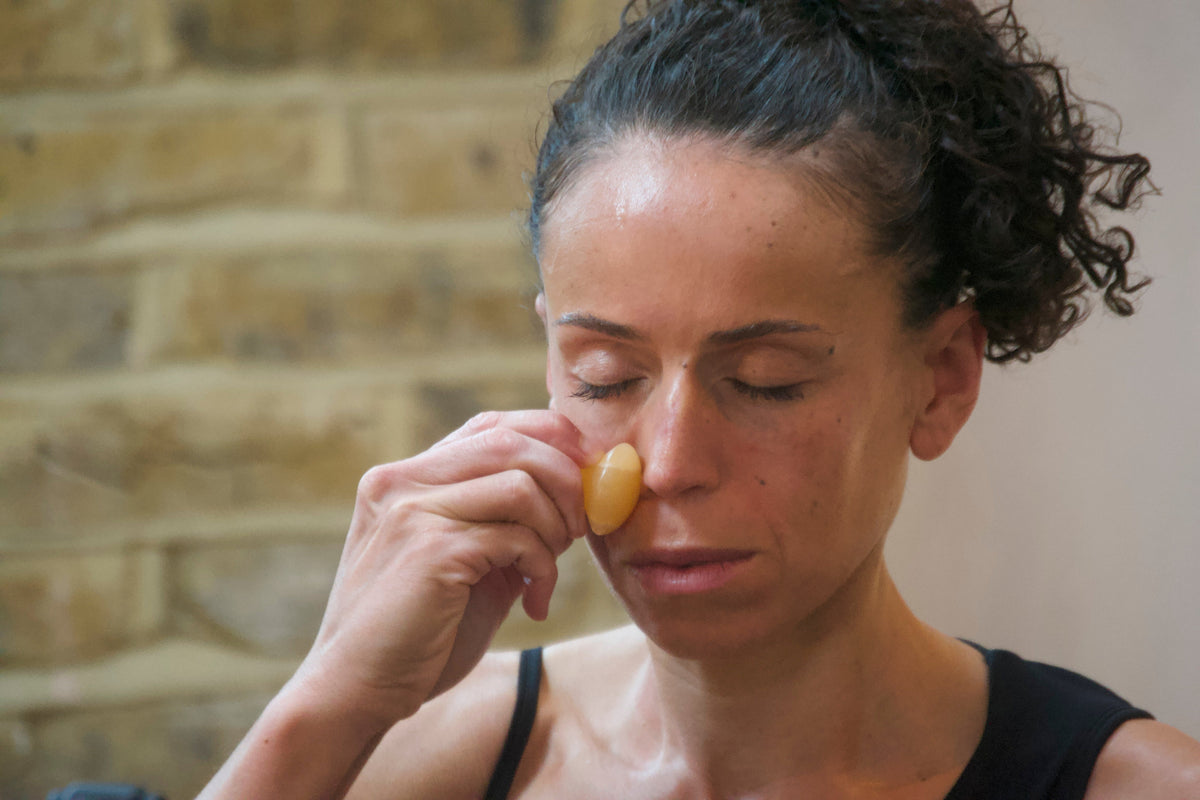
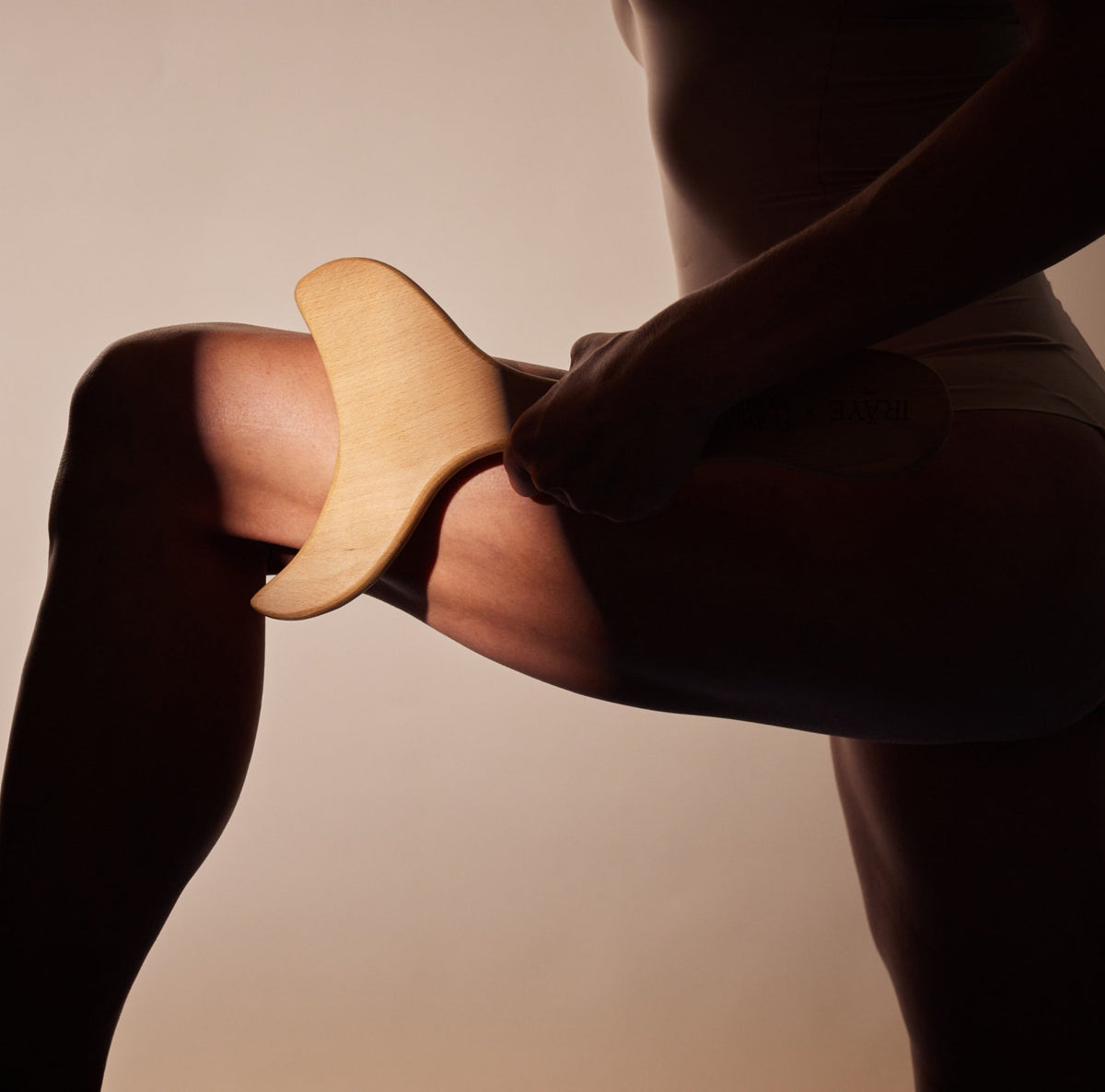
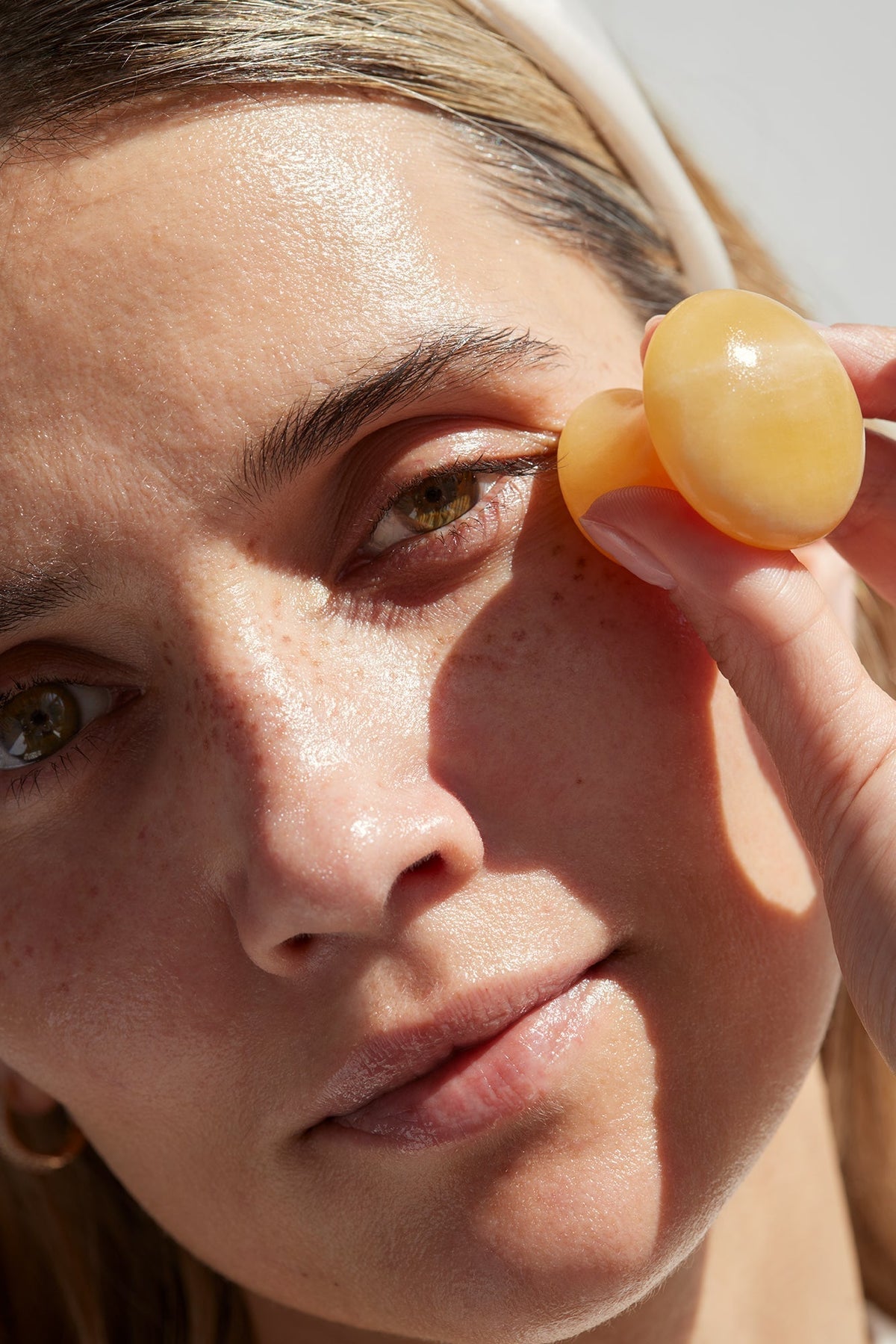
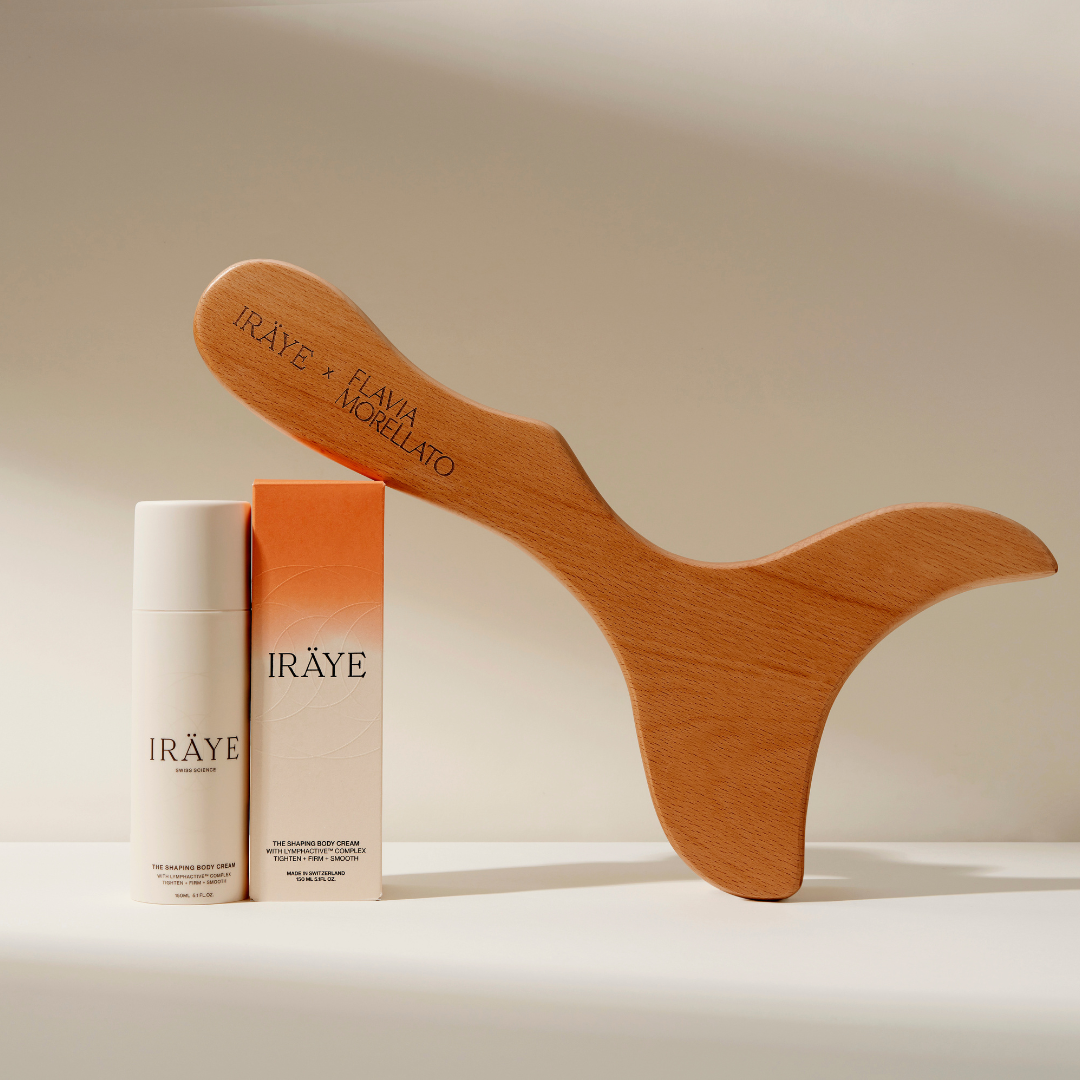
• Gentle self-massage as a comfort ritual (not a treatment) -Gentle massage can be relaxing and may support a feeling of lightness, paired with. Persistent swelling should be medically assessed; don not forget lymphedema requires a dedicated care plan.
• Manual lymphatic drainage (MLD) - MLD is best seen as a supportive technique: it can reduce symptoms (heaviness, discomfort), support drainage pathways, and be part of a structured program — but it’s not a standalone “cure.” For many patients, the cornerstone remains compression + movement/exercise + skin care, with MLD integrated depending on stage and individual response.
Early lymphedema contains a larger reversible fluid component. If treated early, it can often reduce swelling and prevent progression to long-term tissue remodeling (fibrosis/fat). Early care also reduces the risk of infections and improves quality of life.