












The Ultimate Facial Lymphatic Brushing Guide with Marine Guillou Doré

The Ultimate Facial Lymphatic Brushing Guide with Marine Guillou Doré
Whether you're looking to reduce puffiness, enhance your skin’s glow, or simply indulge in a calming self-care ritual, understanding lymphatic brushing can transform your skincare regimen. By aligning your daily habits with this ancient practice, you can unlock long-lasting beauty benefits and support your overall well-being. Dive into this comprehensive guide by Marine Guillou Doré our IRÄYE Facialist Ambassador in Paris, to discover how facial lymphatic brushing can become an essential part of your beauty and health routine.
1. What are the effects of dry lymphatic brushing on the face?
The effects of dry lymphatic brushing with Lymphatic Brush LTD (the facial version) help reproduce the precise and necessary pressures that stimulate subcutaneous lymphatic flow and reactivate the three main functions of the lymphatic system:
a/ Elimination: The lymphatic system helps eliminate toxins, excess fluids (water), fats, adipose tissue, and bacteria. This has a direct effect on facial edema and puffiness, helping to redefine facial contours. It also awakens the complexion and can improve acne by accelerating the elimination of subcutaneous bacteria.
b/ Cellular nourishment: The lymph carries essential nutrients that support cellular renewal and stimulate the production of collagen and elastin. As a result, lymphatic stimulation improves overall skin quality, density, and firmness.
c/ Immunity support: Lymphatic drainage promotes the circulation of lymphocytes B and T throughout the body, thereby strengthening the immune system.

2. Which skincare products should be used alongside it?
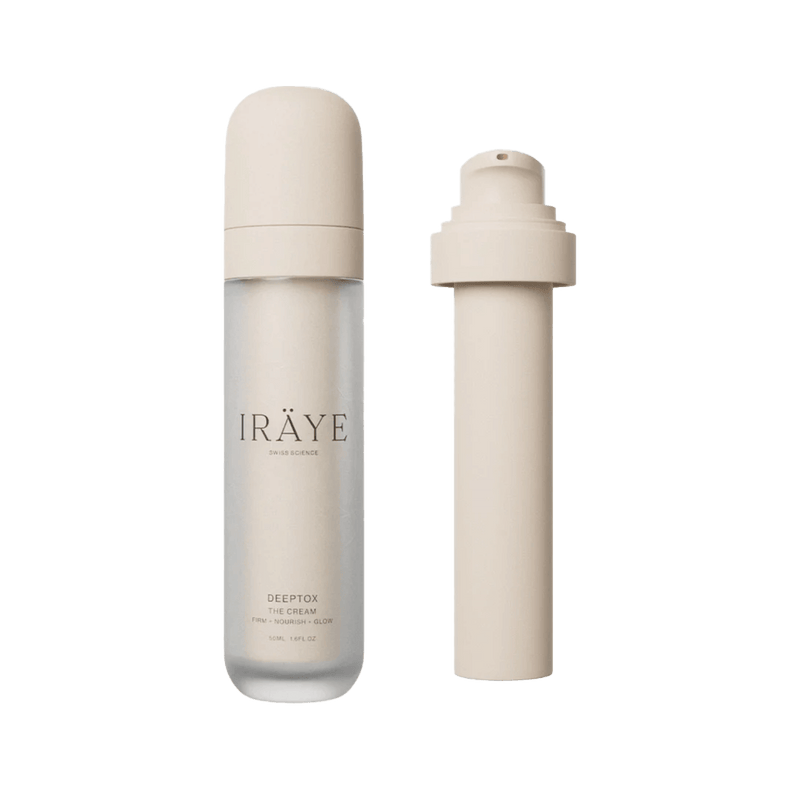
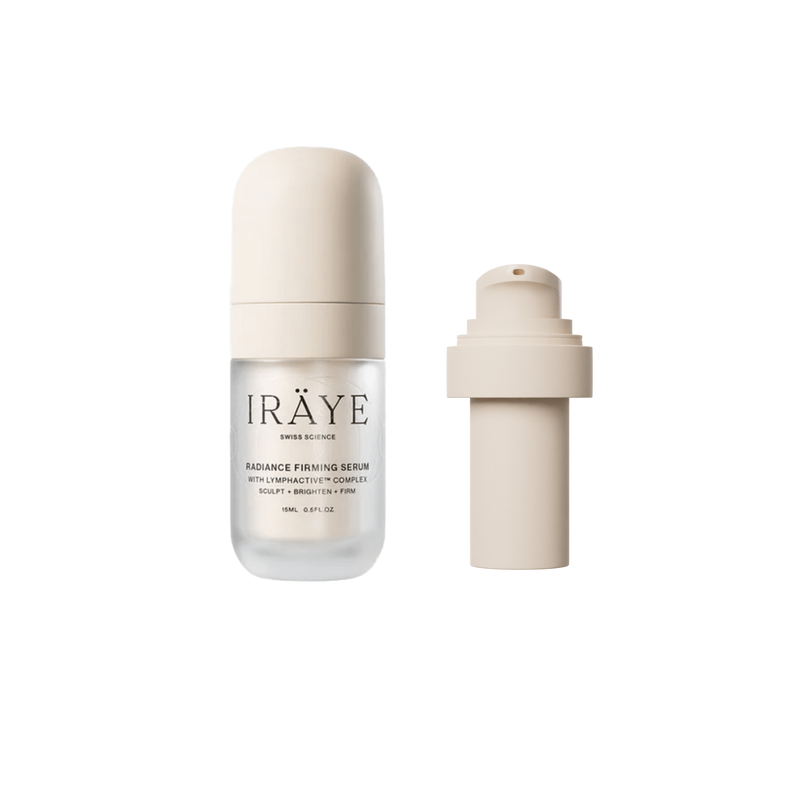
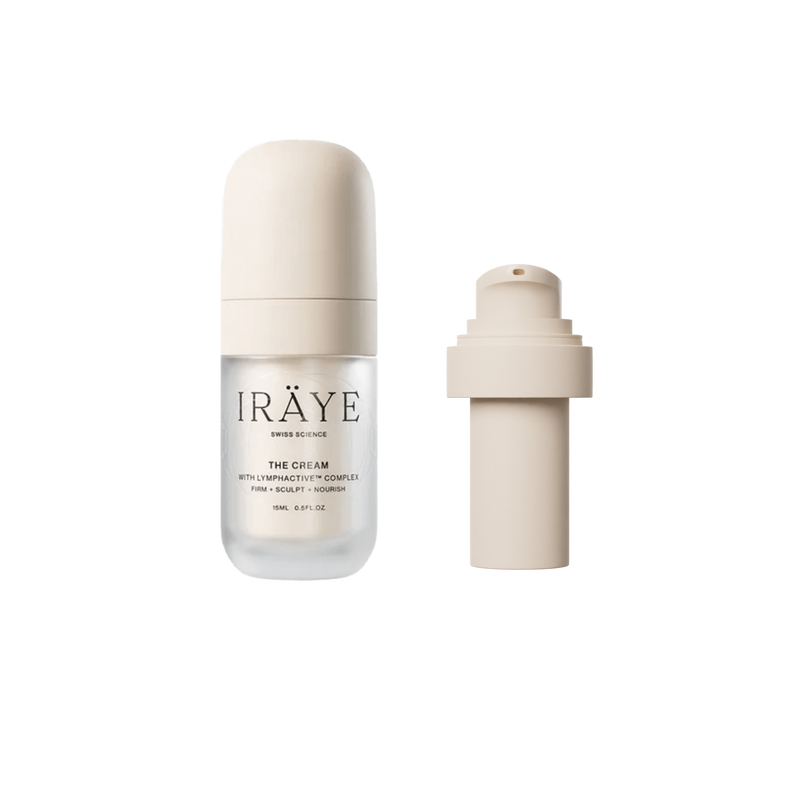
Skin that has been purified and detoxed is more receptive to high-quality cosmetic active ingredients and dietary supplements that nourish the skin deeply.
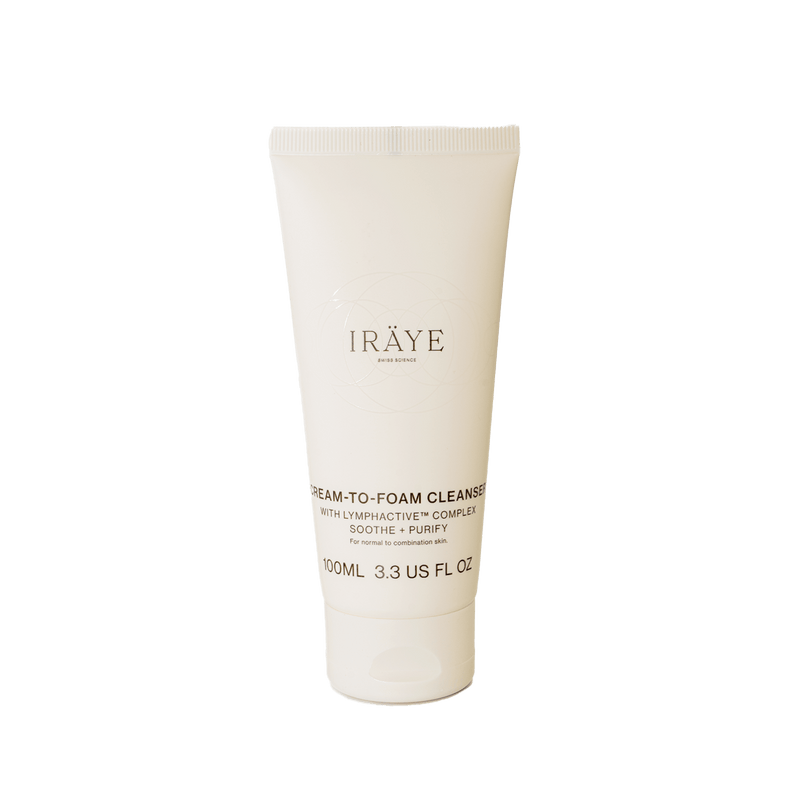
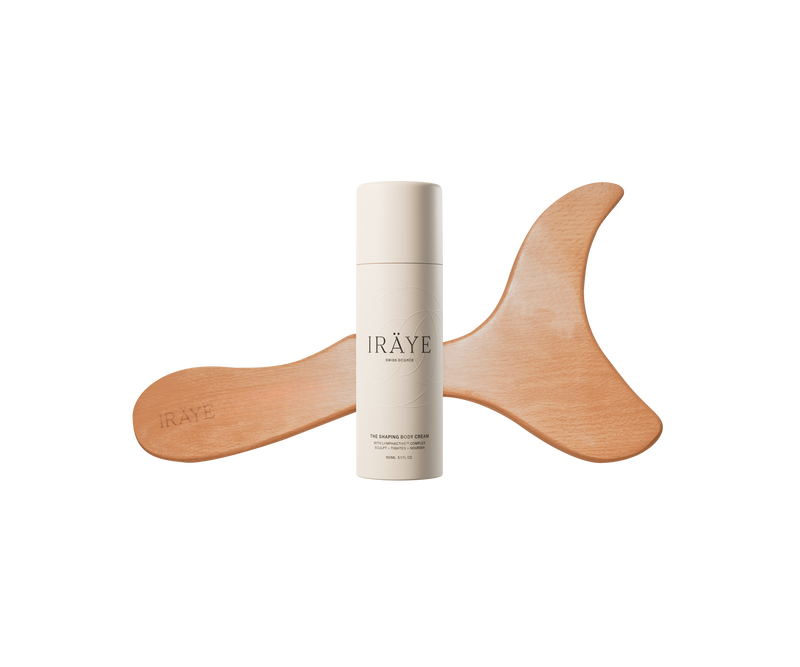
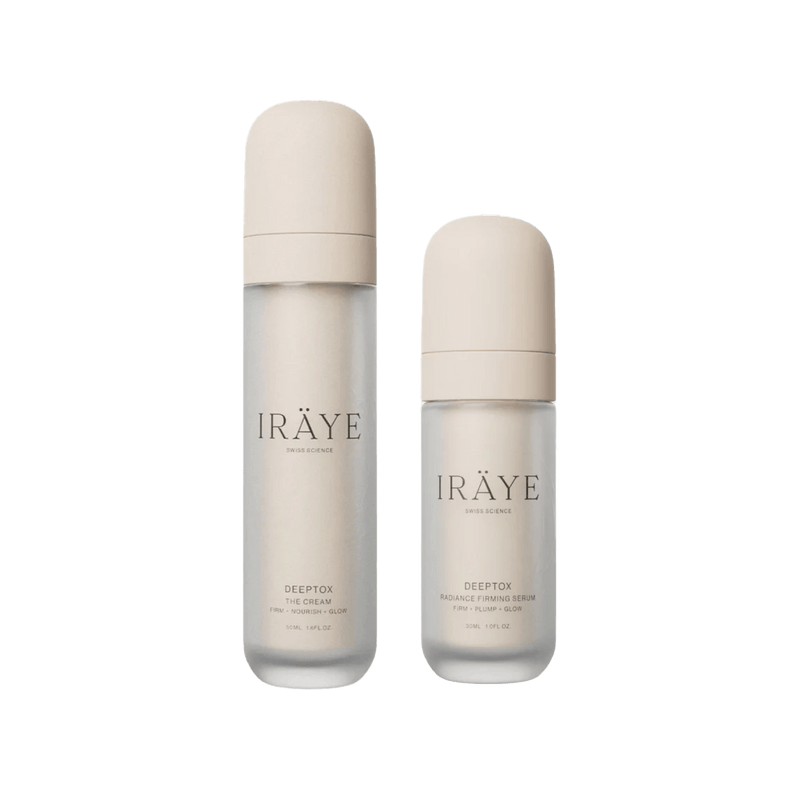
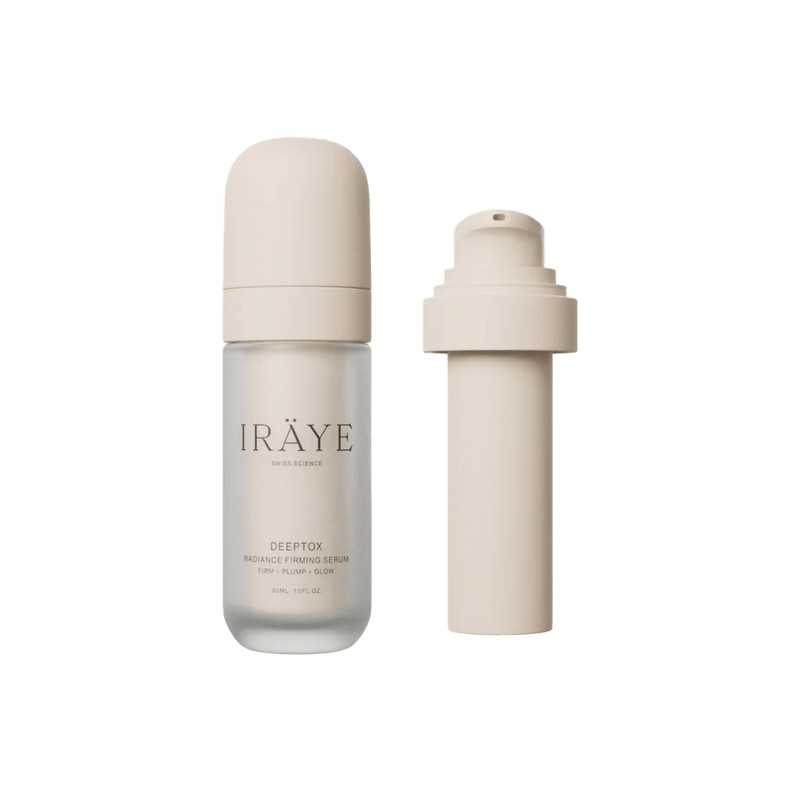
As facialist Marine Guillou Doré, founder of Beau Soin and ambassador for IRAŸE (the first Swiss cosmetic brand stimulating the lymphatic system), lymphatic drainage using both lymphatic brushes (designed and registered by Cecily Braden) and IRAŸE cosmetics is an essential and inseparable part of all my treatment protocols.
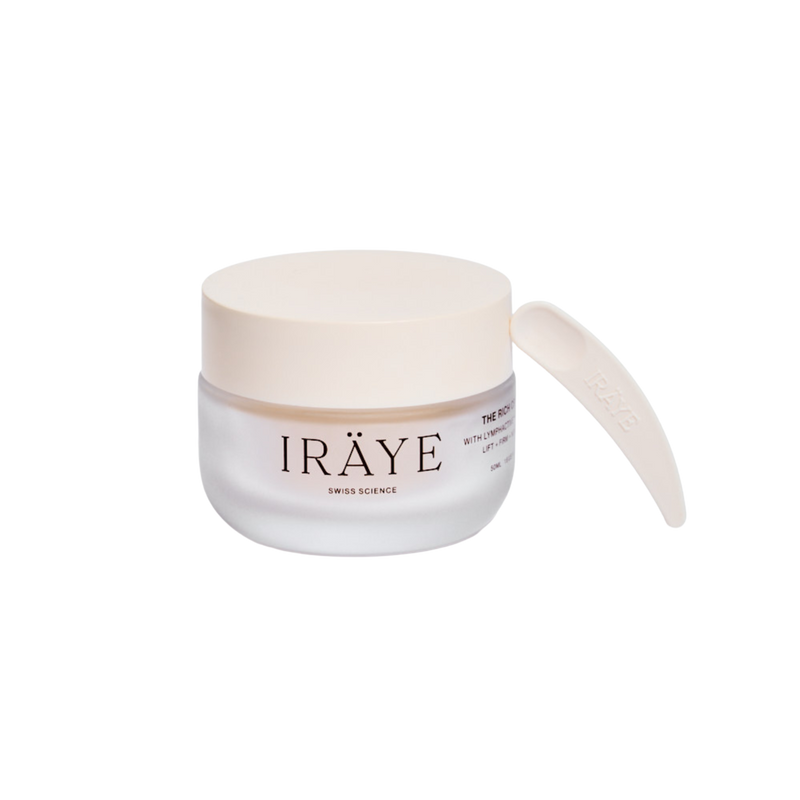
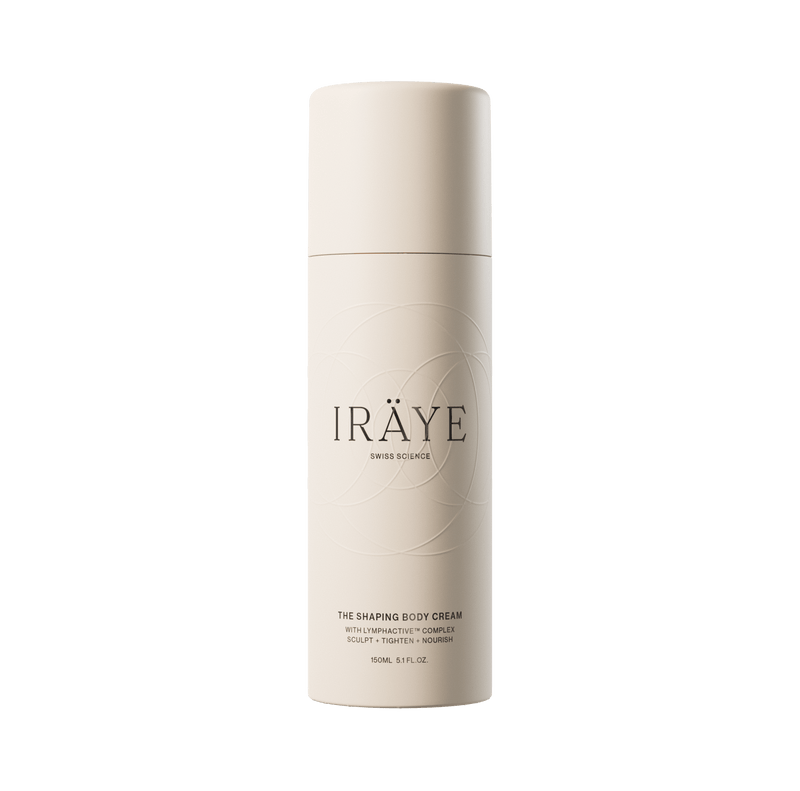
I complement my treatments with IRAŸE cosmetics because it is the only brand worldwide (based in Switzerland and developed by renowned doctors and physicians) that repairs, maintains, and stimulates the lymphatic system thanks to a lymphatic complex present in all of its products, acting deeply through topical application.
3. Who should / should not use a facial lymphatic brush? (acne, rosacea, eczema, dry skin, fillers, recent procedures)
Lymphatic drainage as part of our detox internal process, feeding tissues, and reinforcing the immunity system should be recommended for everybody as part of a beauty and health necessary routine.
Nevertheless, facial lymphatic drainage is a gentle technique, but it is not suitable for all skin types or situations.
Lymphatic drainage should be avoided in cases of:
a/ Lymphatic disorders (lymphoma, oncology treatments) or active inflammatory diseases -> Always seek medical advice.
b/ Active inflammatory acne (severe, cystic, pustular acne) -> Brushing may worsen inflammation and spread bacteria.
c/ Eczema, dermatitis, psoriasis (active areas) -> Risk of irritation, inflammatory flare-ups, and damage to the skin barrier.
d/ Skin infections (herpes, impetigo, fungal infections, open wounds) -> Avoid until complete healing.
Lymphatic drainage should be used with caution in cases of:
a/ Rosacea -> Mechanical stimulation may increase redness, flushing, and sensitivity.
b/ After recent aesthetic procedures, such as: Dermal fillers or Botox injections
-
-
Laser treatments, chemical peels, microneedling, radiofrequency. Always wait for the practitioner’s approval (usually 2 to 4 weeks, depending on the procedure).
-

4. In which direction should brushing strokes go, and why?
For the body, lymphatic brushing should always follow the direction of blood circulation, as the lymphatic and circulatory systems are closely linked—moving toward the heart, circulating throughout the body.
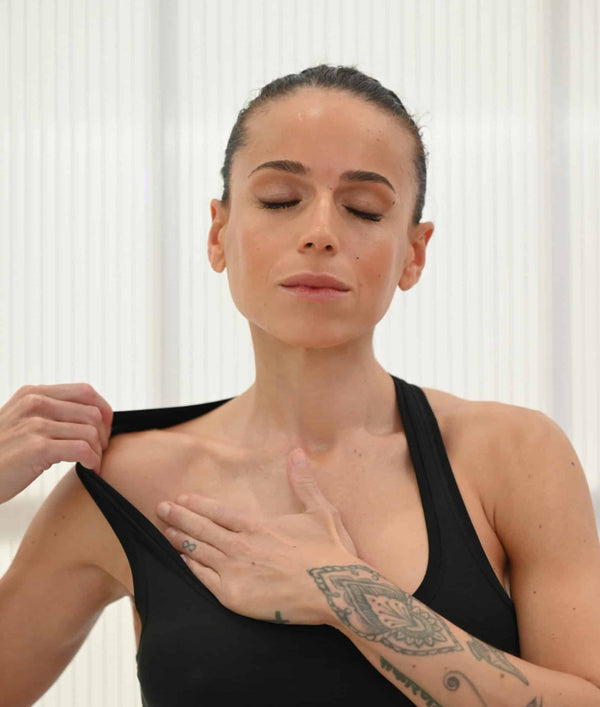
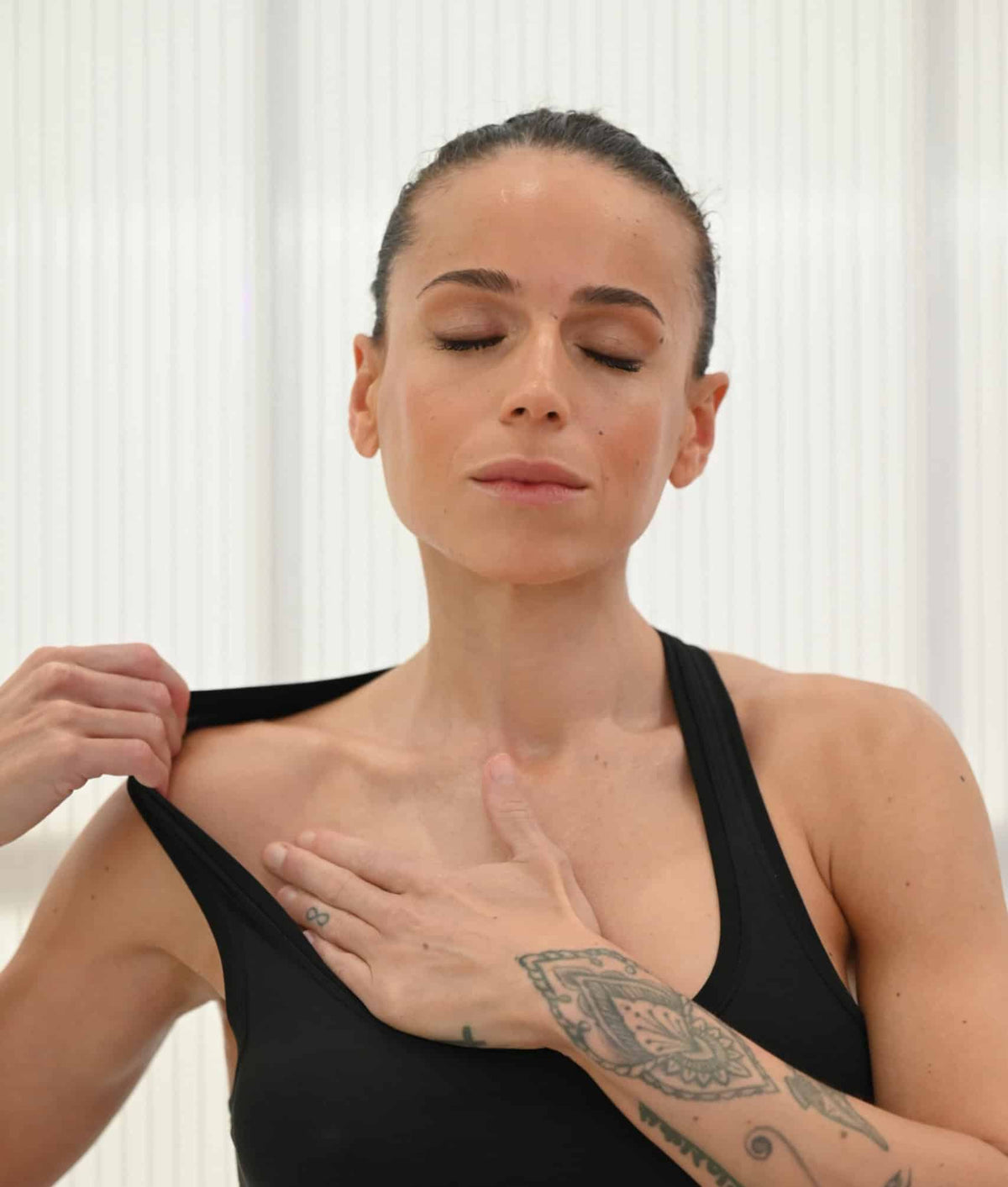
Before any lymphatic drainage, it is essential to open the lymphatic terminus, meaning stimulating the lymph nodes, which are the final destination of the lymphatic network. These are located in the supraclavicular hollows. Use gentle pumping and circular movements from the inner hollow of the neck toward the outer shoulder area.
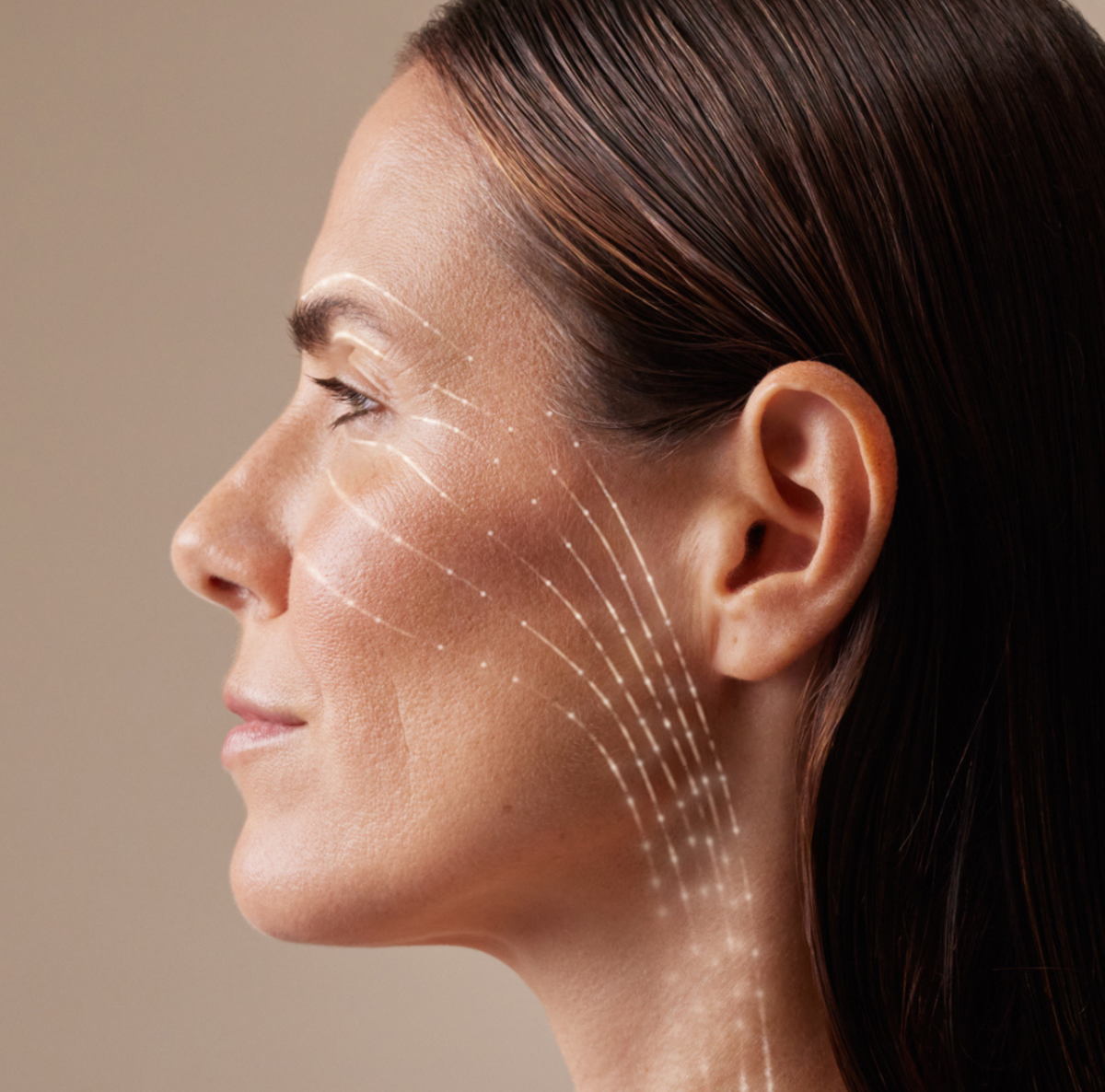
For facial drainage, always work from the décolleté up to the forehead. First, open the “exit pathways”:
-
The lymphatic terminus (Supraclavicular) then under the ears (infra-auricular area) then under the jawline and beneath the center of the chin (submandibular area).
Then perform movements:
a/ From the center of the décolleté outward.
b/ From the chin along the jawline toward the ears.
c/ Progress upward with lateral movements from the center of the face toward the outer contours.
d/ Continue along the cheeks and finally toward the eye area.
Important: Never start with the eyes if the lower face has not been drained first. Lymph cannot flow properly if the lymph nodes of the ears, chin, and décolleté have not been stimulated beforehand.
5. How do I know if I’m brushing too hard or too often?
There is no real danger in draining too often—the greater risk is not doing it enough. The ideal frequency is daily, or even twice a day, morning and evening, as part of a skincare routine.
Lymphatic drainage is particularly effective: a/ After dietary excesses (fat, alcohol, sugar). b/ During hormonal cycles in women (pre-menstrual phase, pregnancy, postpartum, perimenopause), when swelling and water retention are more common.
For everyone, including athletes, lymphatic drainage is also recommended before and after exercise to enhance toxin elimination.

6. What type of brush is best for facial lymphatic drainage?
There are two main types of brushes:
a/ Body dry-brushing brushes, commonly used after showering, are larger and usually firmer. Even though brushing should remain gentle, these brushes often use vegetable fibers and are not suitable for the face.
b/ For the face, I recommend Lymphatic Brush LTD by Cecily Braden, which are made with vegan synthetic fibers and designed with an ideal bristle density for optimal adhesion to the skin and facial contours. They are also equipped with small nodules that accurately reproduce the precise pressure required for effective lymphatic stimulation.
7. Is there a meaningful difference between manual brushes and silicone or vibrating tools?
For pure lymphatic drainage, manual drainage using soft brushes allows for effective, non-invasive, and well-controlled stimulation.
Some silicone or vibrating tools can be more aggressive or invasive (such as face pointers). These tools require a high level of dexterity and precision and are also recommended when used by trained professionals.
8. How long does it take to see results such as reduced puffiness or improved skin tone?
Results can be visible from the very first session, especially when performed by an expert or when the technique and lymphatic flow process are properly respected.
Swelling, edema, and skin glow improve quickly. The face appears more sculpted, facial contours are refined, the jawline is redefined, and under-eye puffiness is reduced. Daily drainage as part of a skincare routine leads to long-lasting and cumulative results over time.
9. Are the effects temporary, or can they accumulate over time?
Lymphatic drainage occurs naturally in the body, but lifestyle factors such as excessive sugar or salt intake, dehydration, lack of physical activity, hormonal cycles, poor sleep, and stress can affect lymphatic function.
Supporting the lymphatic system through daily self-drainage, the use of lymphatic-stimulating skincare products (such as IRAŸE), a balanced diet, healthy lifestyle habits, and regular professional lymphatic treatments is a natural and effective long-term strategy.
10. How does this practice compare to gua sha, facial massage, or microcurrent devices?
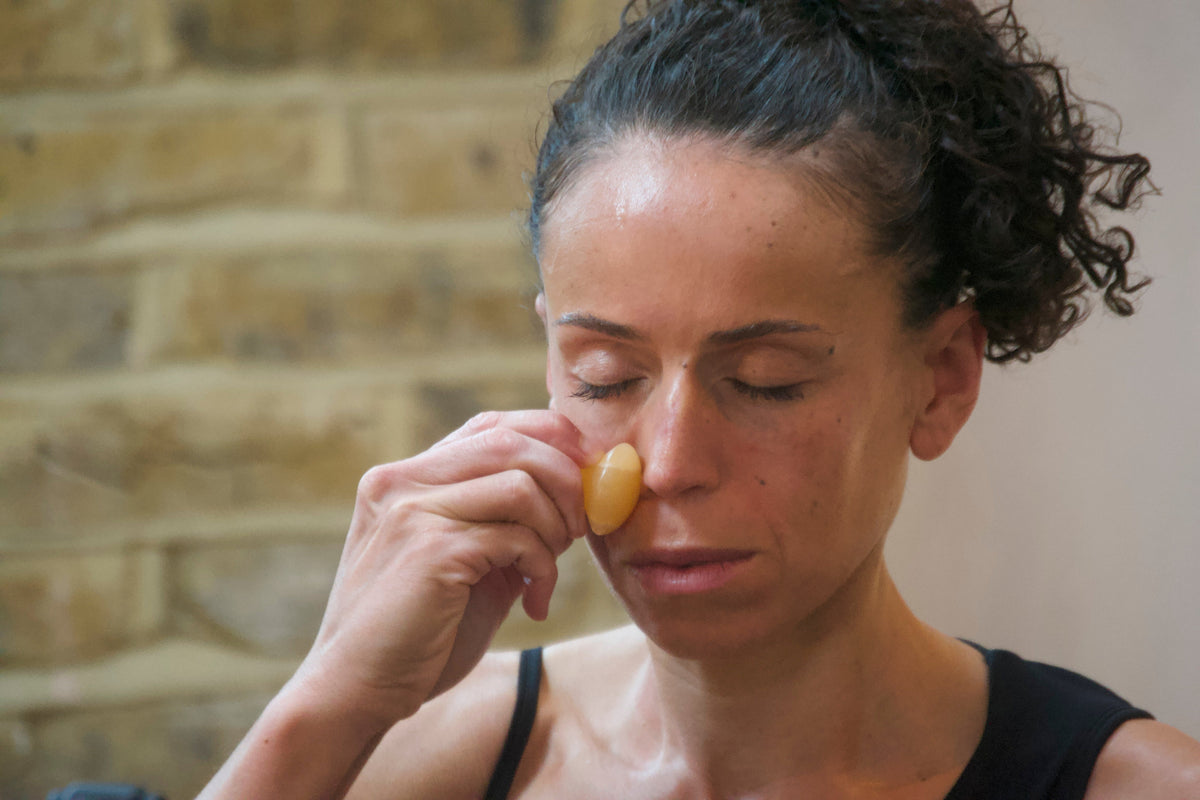
Lymphatic brushing is easier to integrate into a daily self-drainage routine than gua sha, which requires oil and a more precise, expert technique.
Facial massage is equally effective and highly complementary. Beyond drainage, it stimulates deeper muscles and fascia, activating all facial structures to remodel the face more profoundly. It encourages muscular and structural engagement, similar to a more intense “workout” for the face.