







Why Does Water Retention Happen?
What Is Water Retention?
The human body is, by composition, mostly water. Roughly 60 percent of body weight in adults is fluid held within cells, circulating through blood vessels, and moving constantly through the spaces between tissues. This fluid is not static. It flows, shifts, and self-regulates in response to temperature, movement, hormones, and the demands of nearly every biological process.
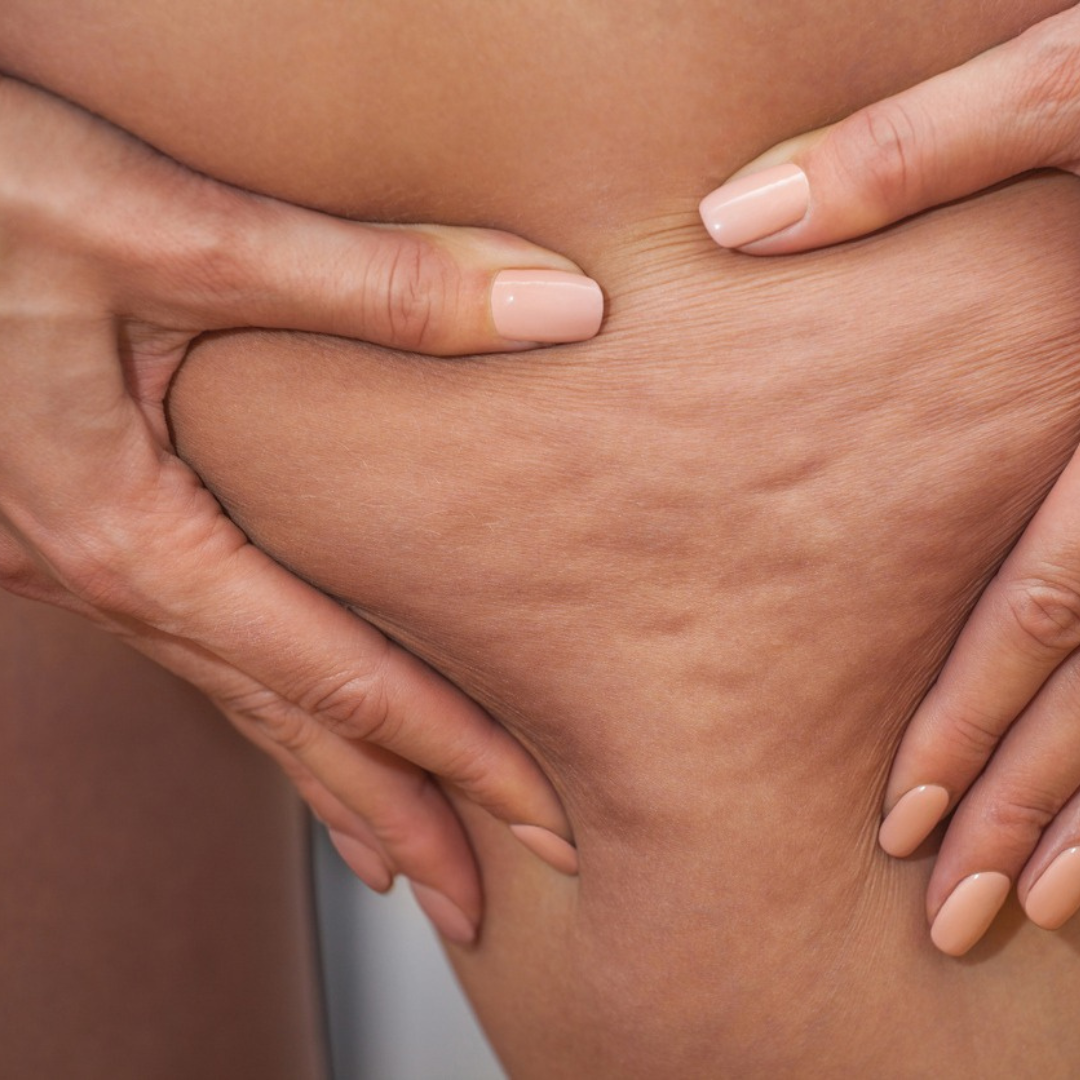
Water retention (edema) — occurs when this regulation breaks down and excess fluid accumulates in body tissues. It is not stored in a single location: it distributes into the gaps between cells, where it produces the characteristic signs of swelling, heaviness, and puffiness that most people recognize as feeling "bloated" or "puffy."
The distinction worth making early is between normal fluid fluctuations and chronic, persistent swelling. Mild, transient puffiness, waking with slightly swollen hands after a salty dinner, or ankles that swell on a long-haul flight is a normal physiological response. The body is temporarily managing an unusual load and will correct itself within hours.
Chronic water retention, by contrast, is a pattern: recurring heaviness in the legs, persistent puffiness that does not resolve with rest, indentations left by socks that take hours to fade. This is what warrants attention, and what this piece addresses.
The Role of Your Lymphatic System
To understand water retention, you need to understand the lymphatic system. Because in most cases of non-medical edema, slow lymphatic function is the underlying mechanism.
The lymphatic system is a network of vessels, nodes, and fluid (lymph) that runs parallel to the cardiovascular system throughout the entire body. Its primary role is drainage: it collects excess fluid that leaks out of the capillaries into surrounding tissue and transports it back into the bloodstream, along with cellular waste, immune cells, and metabolic byproducts.
Unlike the cardiovascular system, the lymphatic system has no pump. It depends entirely on muscular contraction, breathing, and movement to keep lymph flowing. When any of these are reduced through sedentary behaviour, heat, hormonal shifts, or simply the effects of aging, lymph slows. Fluid that should be collected and transported begins to accumulate in the tissues instead.
This accumulation is what most people experience as water retention. The legs and ankles are most often affected because lymph must work against gravity to drain from the extremities. But the same mechanism can produce puffiness in the face, under the eyes, across the abdomen, and along the hands and feet.
7 Common Causes of Water Retention
1. Heat and Hot Weather
Heat causes blood vessels to dilate (vasodilation), which increases the rate at which fluid leaks out of capillaries into surrounding tissue. The lymphatic system can struggle to keep pace during sustained heat exposure, this is why legs feel noticeably heavier in summer, and why ankle swelling is one of the most common complaints during heatwaves.
Learn more about "why your body swell more in hot weather" with Dr Epa Gousoupoulos, EBOPRAS certified Plastic & Reconstructive & Aesthetic Surgeon I Lipedema & Body Contouring Specialist I Researcher in LIpedema Biomarkers & Lymphatic Skin Therapeutics.
2. Sitting or Standing for Long Periods
Prolonged sitting or standing at a desk, on a long journey, in a profession that requires being on your feet is one of the most consistent triggers of lower-body fluid retention.
3. Hormonal Fluctuations
Hormonal contraception, perimenopause, and pregnancy all produce their own fluid balance effects through similar pathways. In each case, shifts in oestrogen and progesterone are altering how aggressively the body holds onto sodium and therefore water.
4. Lack of Movement
A sedentary lifestyle is one of the most common contributors to chronic water retention. Fluid accumulates in the tissues not because there is too much of it, but because the system designed to collect and transport it is understimulated.
5. Air Travel
Long-haul flights combine several of water retention's most potent triggers: prolonged sitting, cabin pressure changes, dehydration from dry recirculated air, and the vasodilatory effect of altitude. Lymphatic return from the lower limbs is greatly reduced while seated, and the subtle changes in atmospheric pressure affect fluid distribution across the body.
6. Ageing and Slower Circulation
Both the lymphatic and venous systems become less efficient with age. Lymphatic vessel tone reduces, vein walls lose elasticity, and the muscle contractions that once drove fluid upward from the extremities become less forceful.
7. High Sodium Intake
Sodium, consumed through diet, draws water into the extracellular spaces. The body tightly regulates sodium-to-water balance through the kidneys and hormonal signals; when sodium intake is high, the kidneys retain water to dilute it, and extracellular fluid volume rises.
Signs Your Body Is Holding Onto Excess Fluid
Water retention produces a recognisable constellation of signs. The following are the most reliable indicators that the lymphatic system is working below capacity:
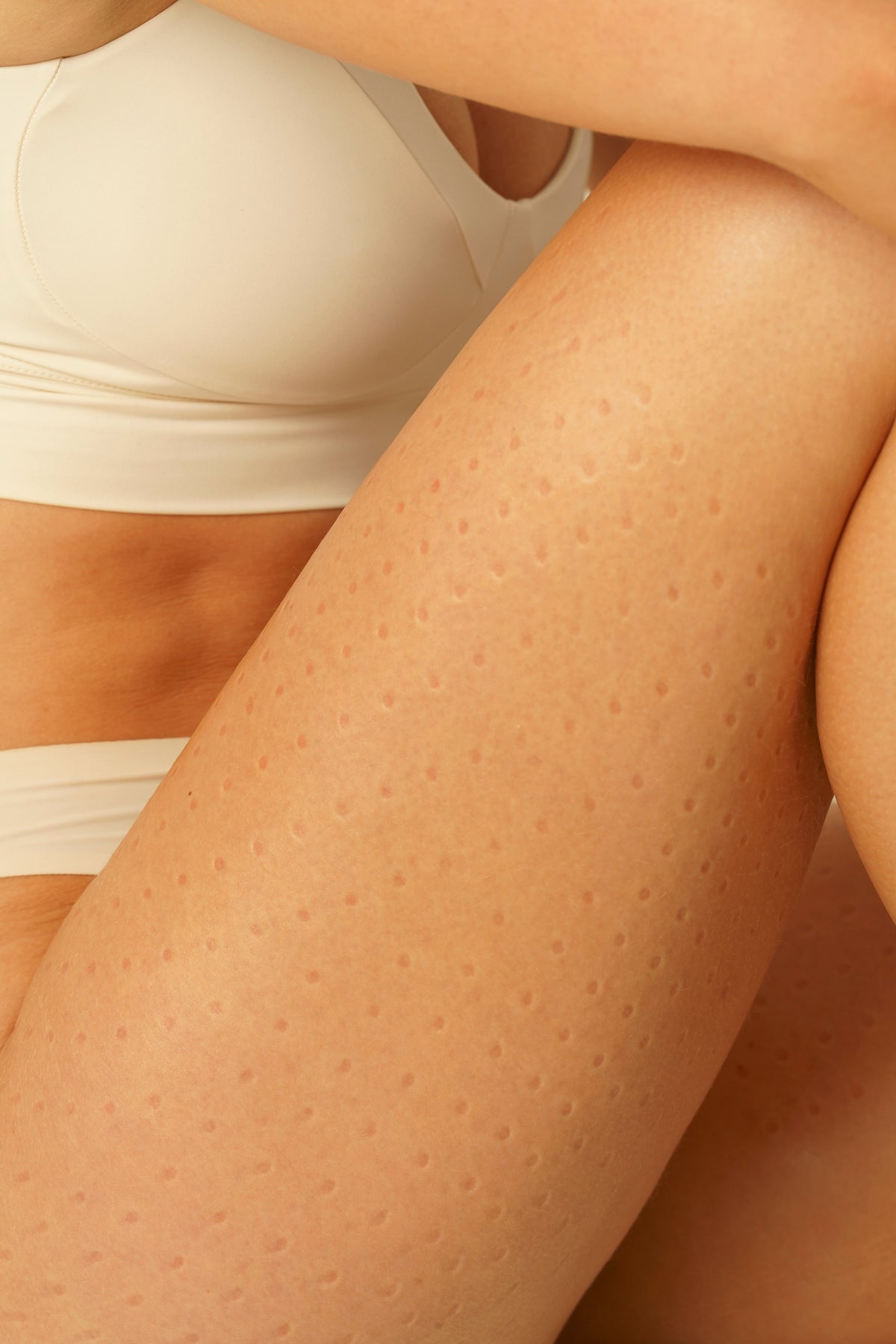
•Puffy ankles and feet: particularly at the end of the day or after time spent sitting or standing. The skin may appear stretched and shiny over the swollen area.
•Tight-feeling skin: a sensation of tension in the lower legs, hands, or face that does not reflect anything visible on the skin surface.
•Heavy legs: disproportionate fatigue or a sense of weight in the legs, even without sustained physical activity.
•Puffiness under the eyes: the skin under the eyes is among the thinnest on the body, and lymph stagnation in the periorbital area produces visible swelling that is particularly prominent in the morning.
Can You Reduce Water Retention Naturally?
For the vast majority of people experiencing non-medical water retention, the answer is yes and the interventions are straightforward, because they all work through the same mechanism: activating the lymphatic system.
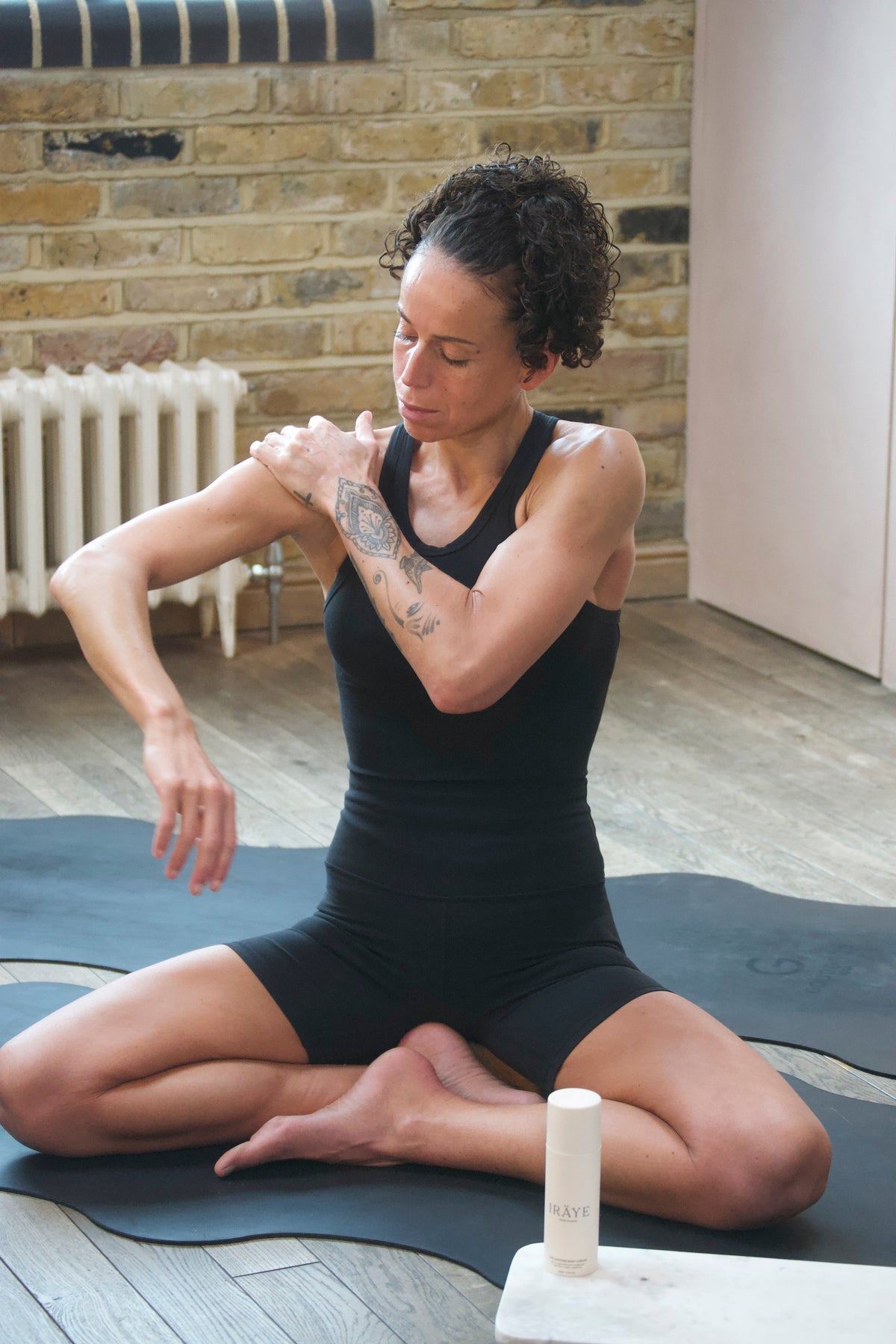
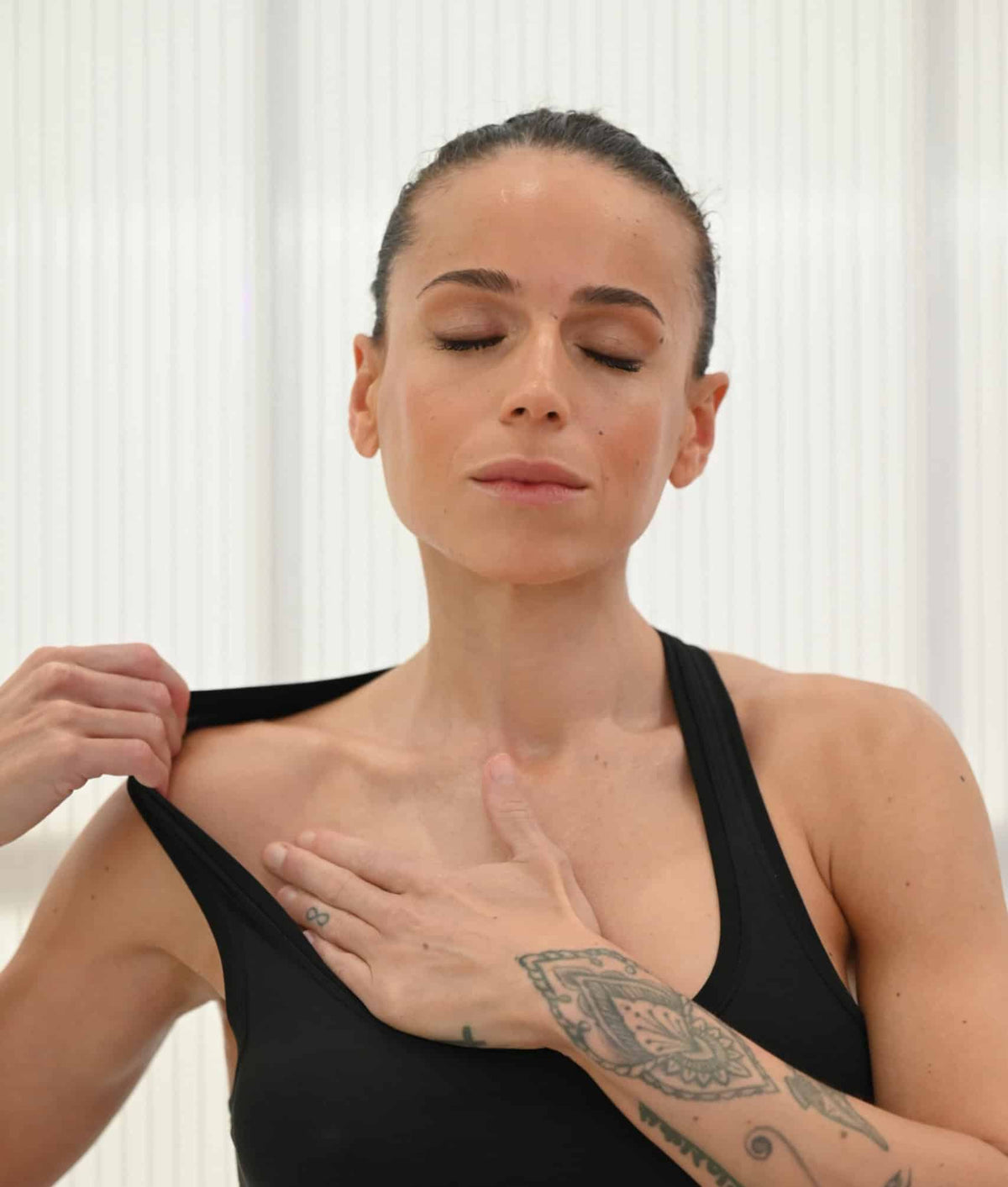
•Movement is the most powerful tool available. Even light, consistent movement. A 20 minute walk, regular calf raises at a desk, stretching breaks during long periods of sitting produces enough muscular contraction to meaningfully increase lymphatic flow. Watch here a quick morning at home routine to with the lymphatic expert Carli Wheatley (@Lymphlover).
•Hydration supports lymphatic health by maintaining the fluid viscosity that allows lymph to move freely through its vessels. When the body senses dehydration, it begins conserving fluid, holding onto water rather than allowing it to drain. Consistent hydration removes this conserving signal.
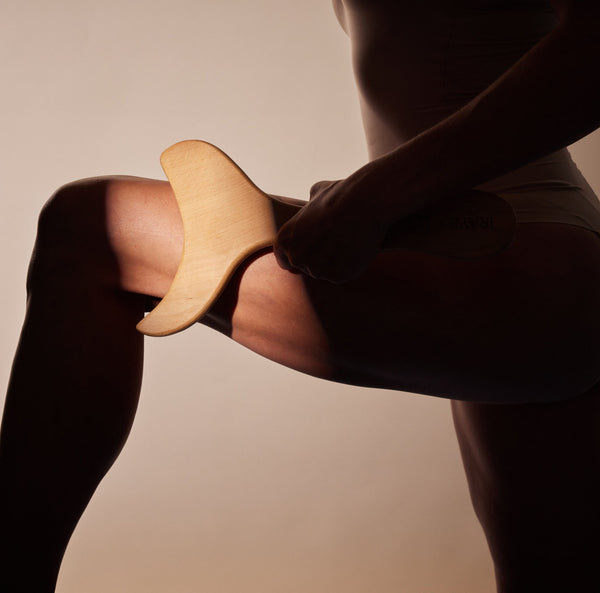
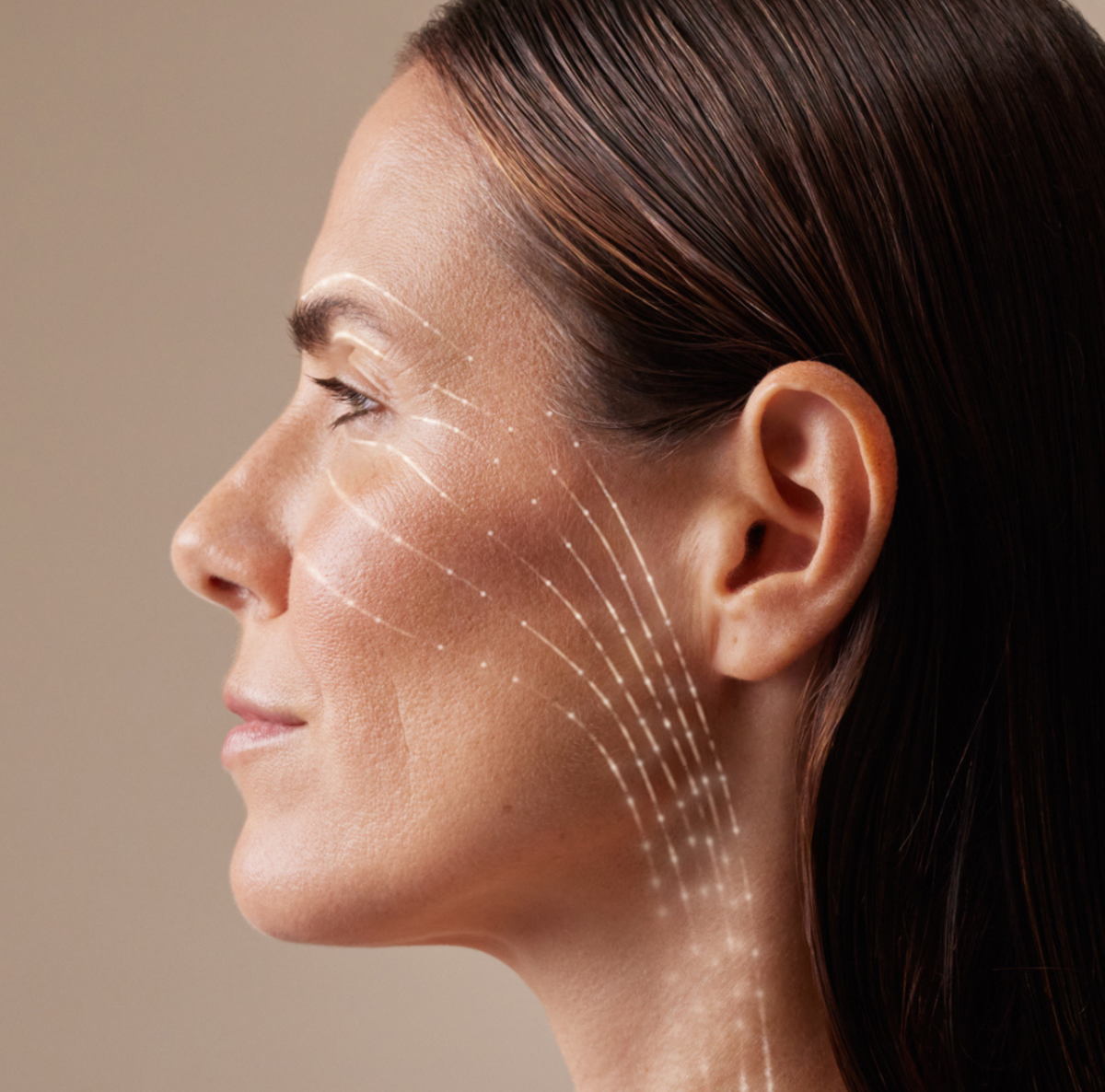
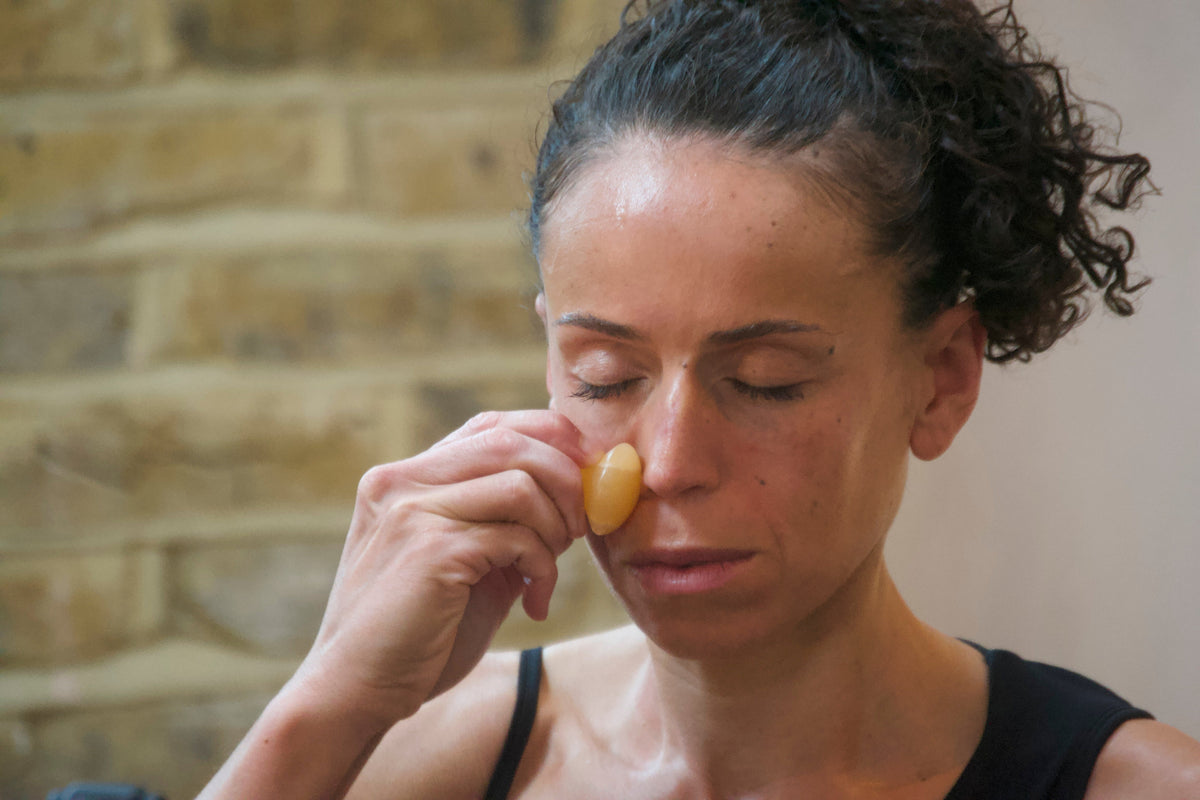
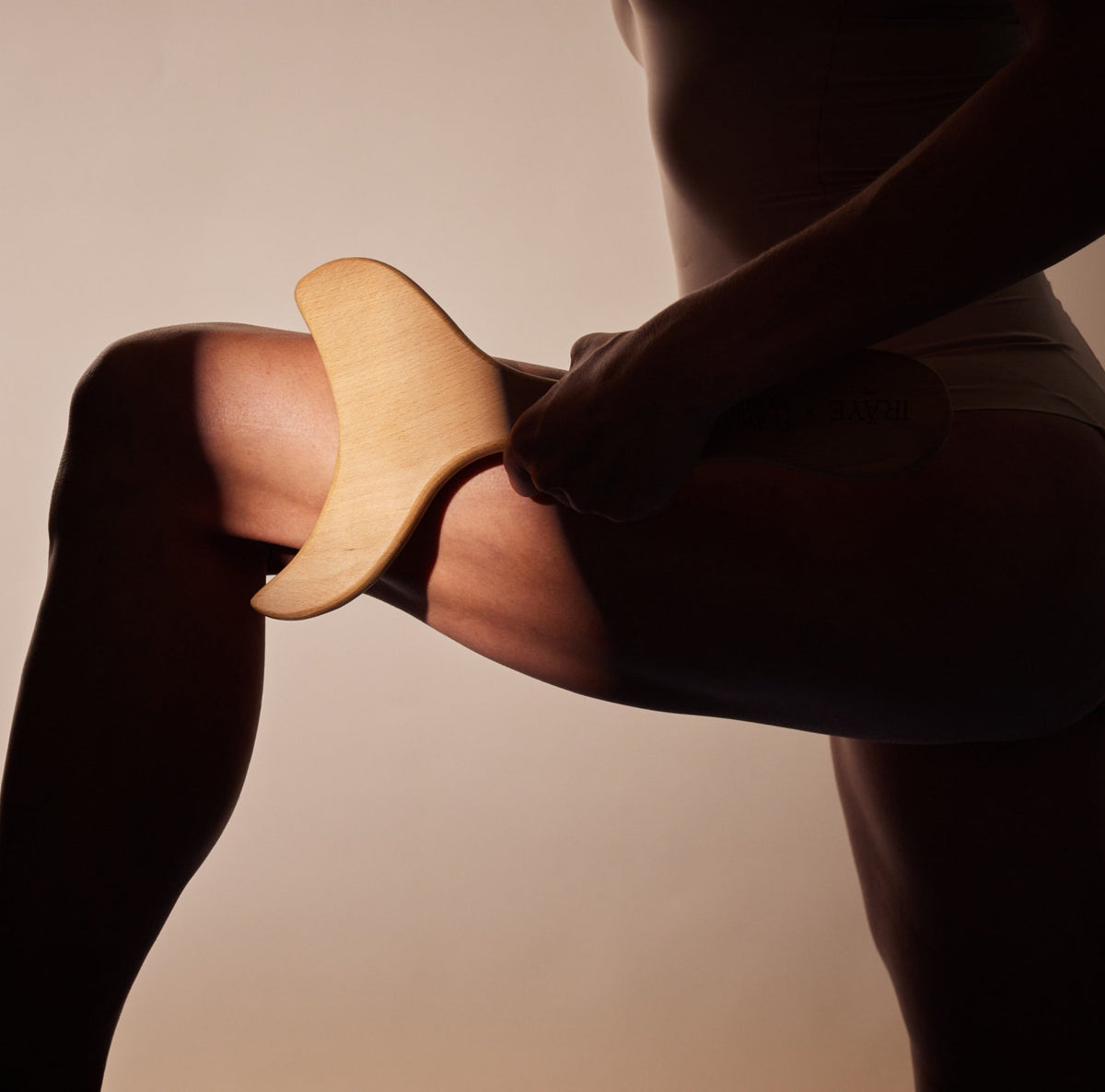
•Manual lymphatic massage directly stimulates the lymphatic vessels and nodes, producing an immediate improvement in drainage. Gentle, rhythmic strokes in the direction of lymph flow, toward the nearest lymph node cluster. Applied consistently, lymphatic massage can produce a measurable reduction in fluid volume in affected tissue.
•Compression garments worn during long periods of sitting or standing, during air travel, and during exercise apply external pressure that partially compensates for the muscle contractions the lymphatic system requires.
The Bottom Line
Water retention is, in most cases, a lymphatic question. The fluid is accumulating because the system designed to collect and move it is working below capacity, not because there is too much fluid, but because drainage is too slow.
The causes — heat, inactivity, hormones, sodium, travel, ageing all converge on the same mechanism: reduced lymphatic flow. And the interventions that work movement, hydration, massage, compression, targeted active ingredients all work because they restore that flow.
Lymphatic health is not a single-intervention problem. It responds to the accumulation of consistent daily habits: how much you move, how well you hydrate, whether you support your skin with ingredients and techniques that keep the lymphatic vessels functioning at capacity.
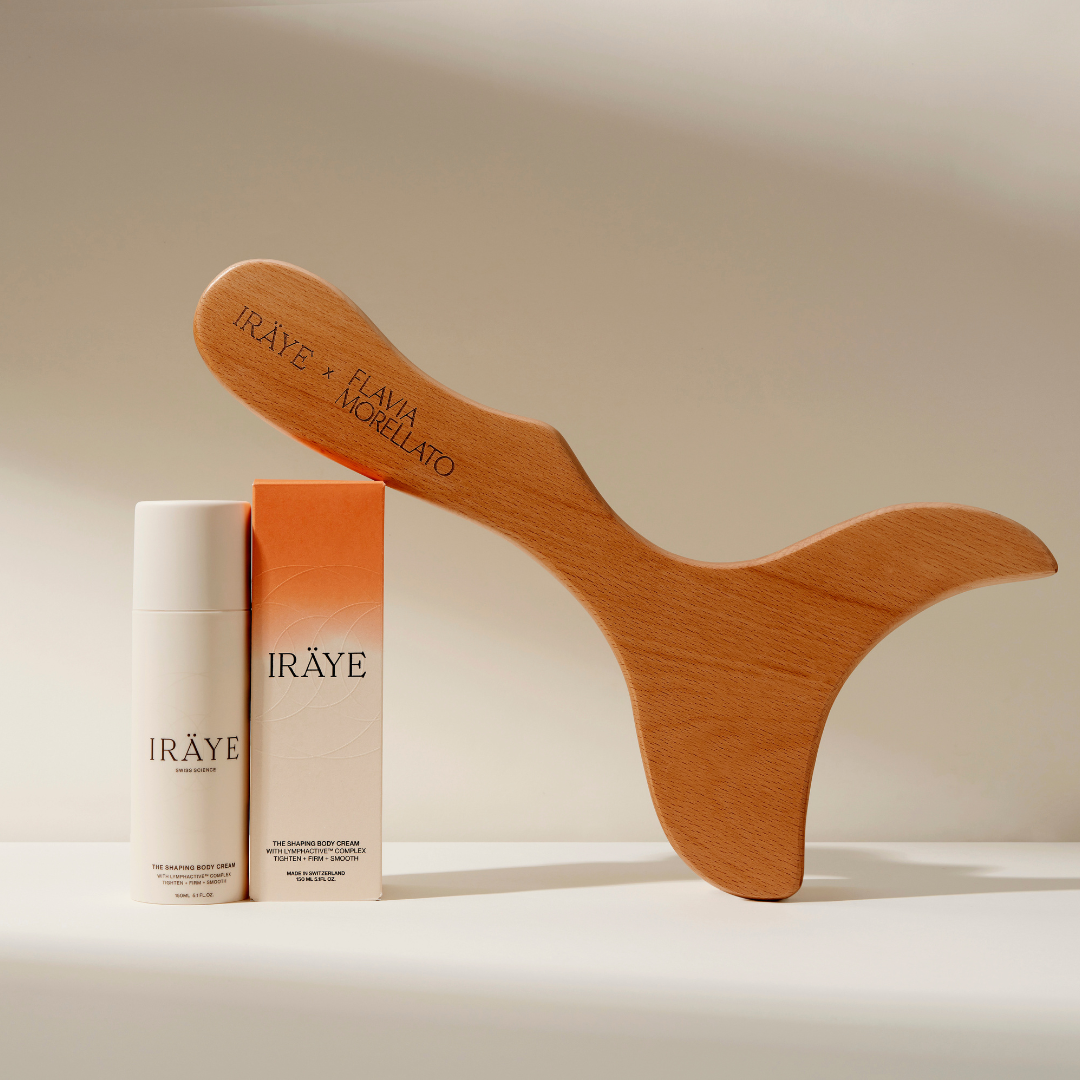
Why IRÄYE Body Shaping cream With LYMPHACTIVE™ Works
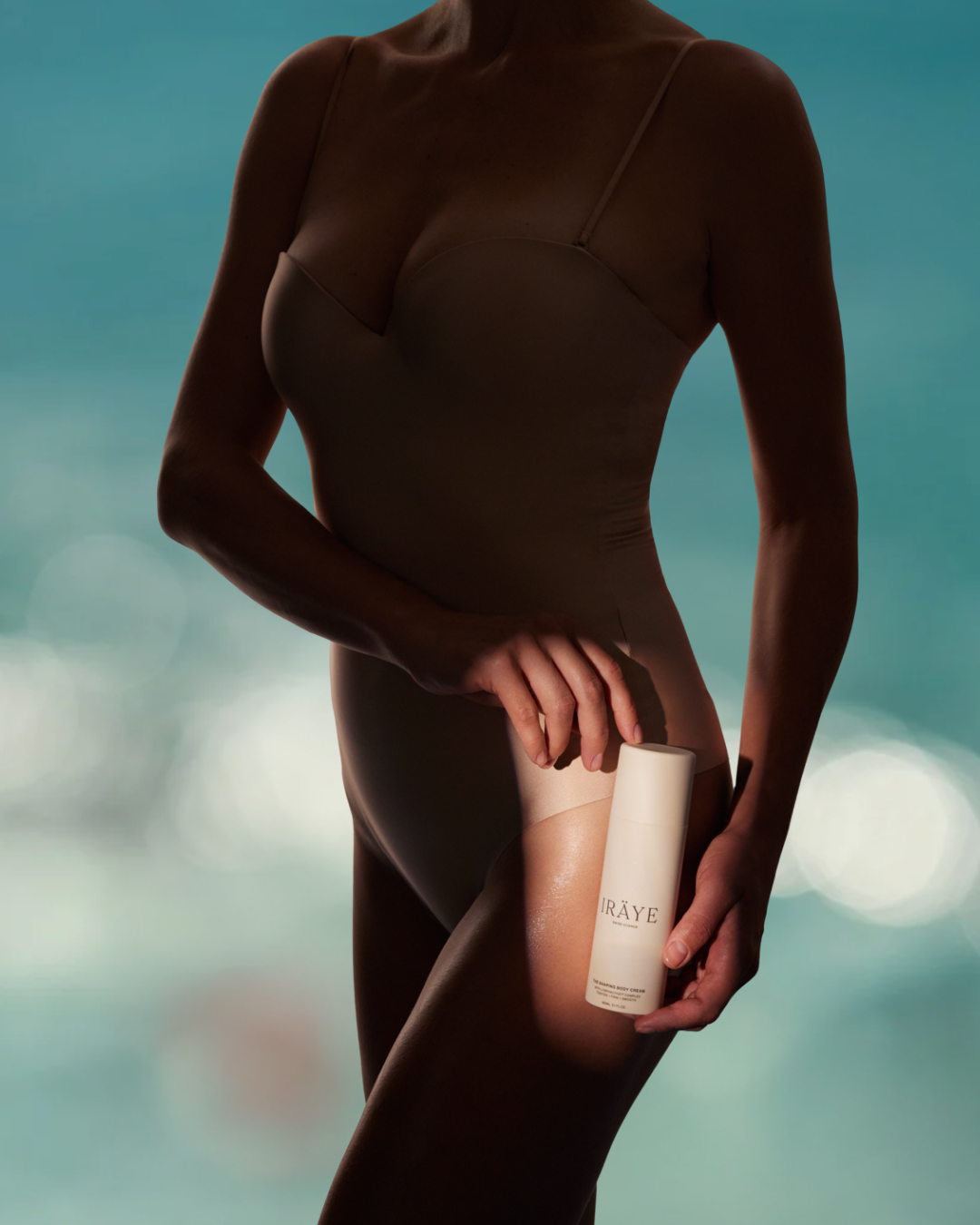
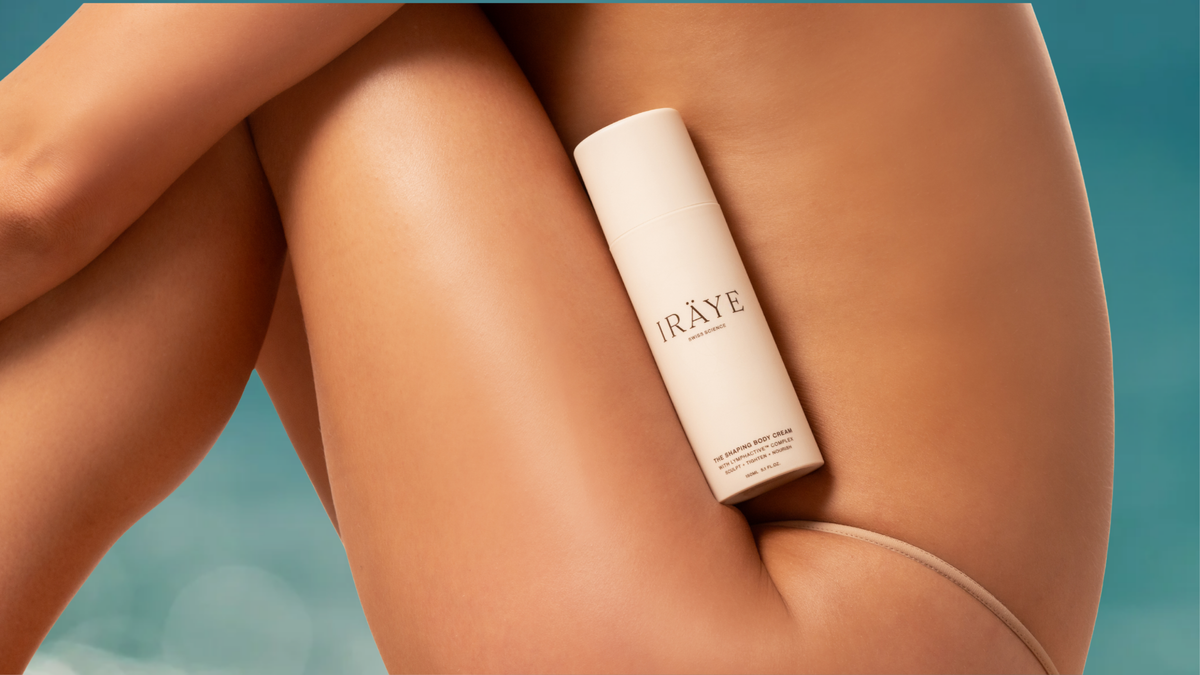
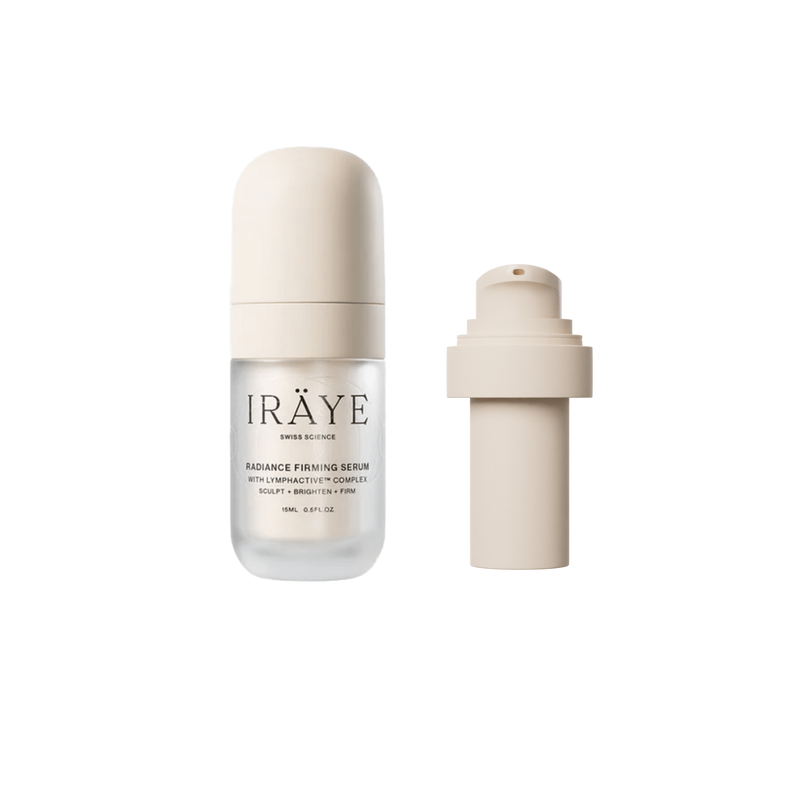
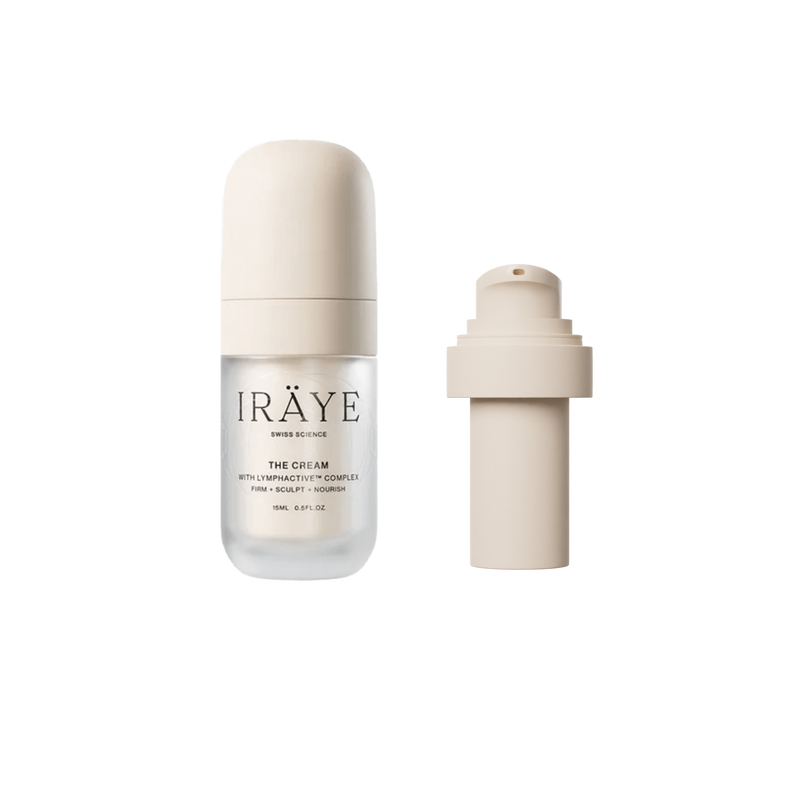
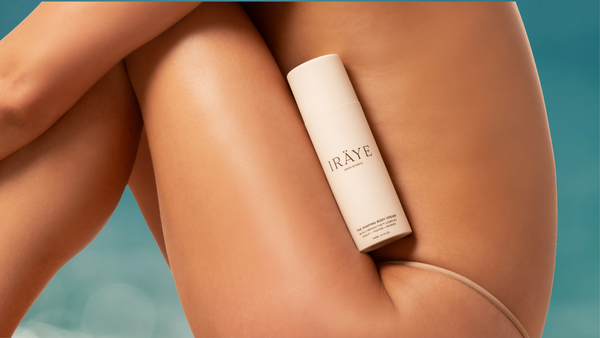
The Shaping Body Cream With LYMPHACTIVE™ is formulated specifically to support lymphatic vessel function at the cellular level, improving the uptake and transport of interstitial fluid at the skin surface. The cream is applied with a targeted massage sequence that turns daily body care into an active drainage practice.
For those dealing with persistent heaviness, sluggish circulation, or the recurring swelling of travel and sedentary work, the usage of the The Shaping Body Cream with LYMPHACTIVE™ complex consistent massage technique addresses the cause not just the surface sign.
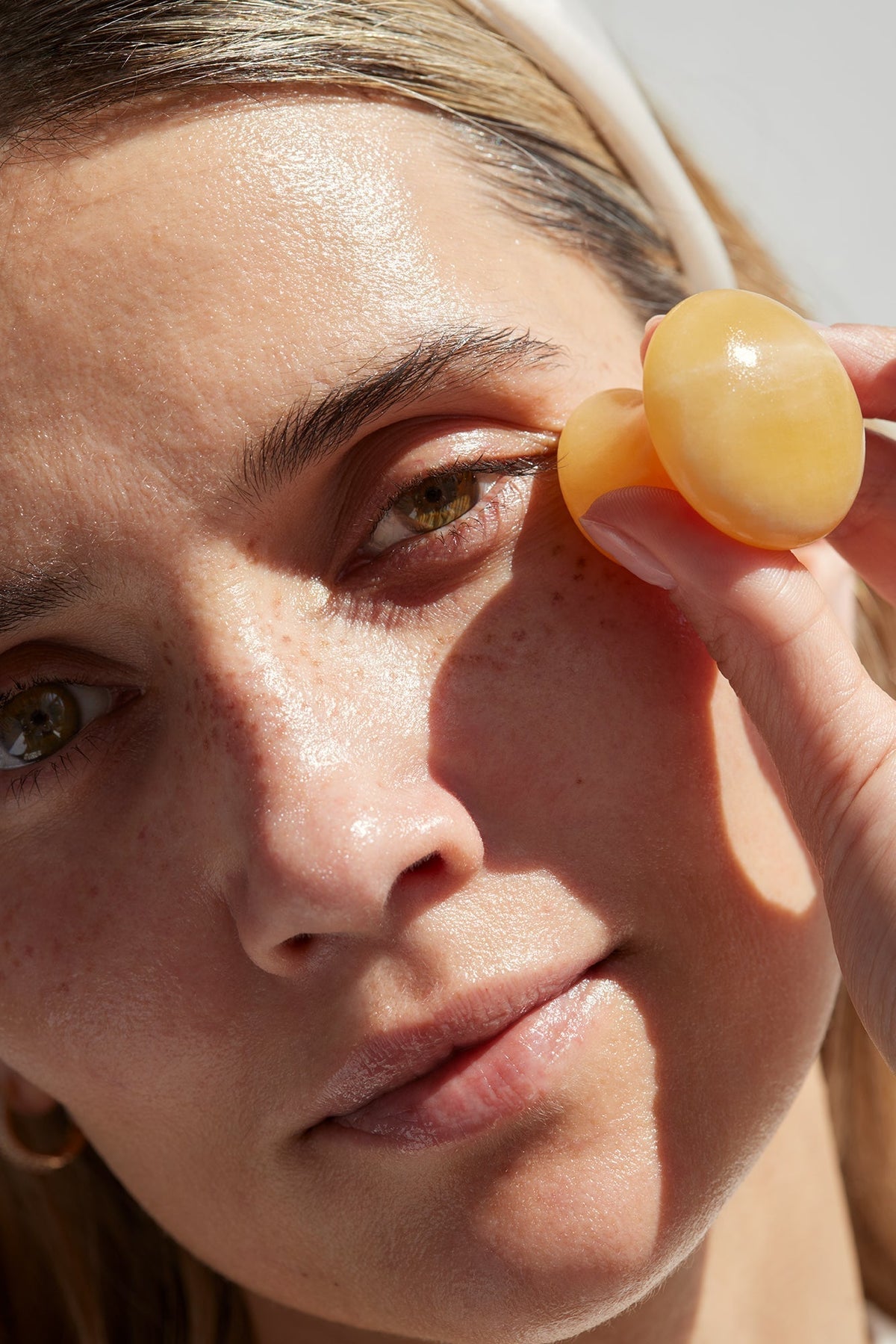
Explore the Lymphatic Body Expert Set (Body Cream + Gua-sha)