




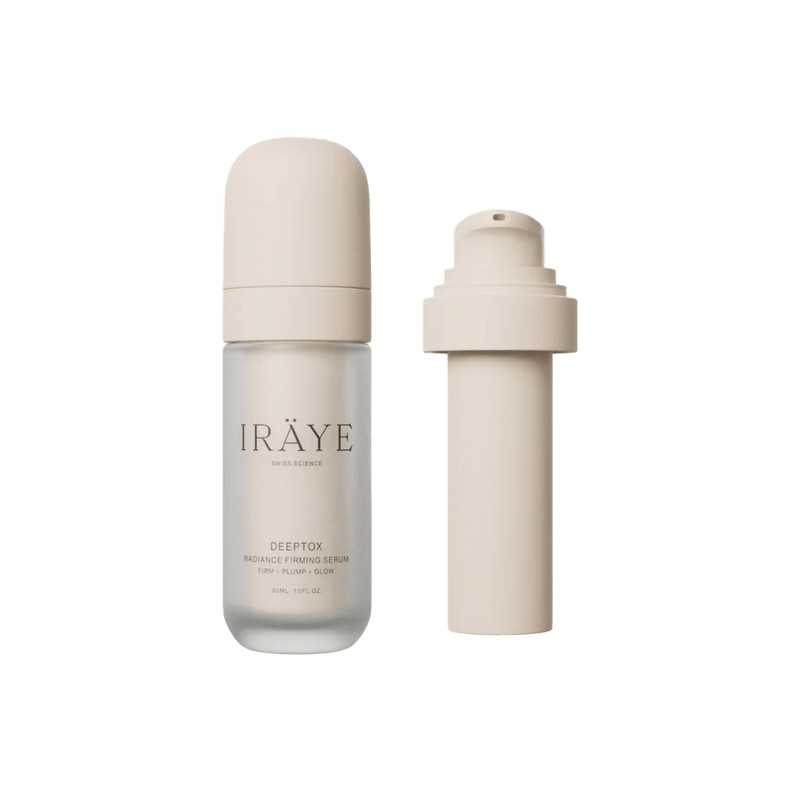


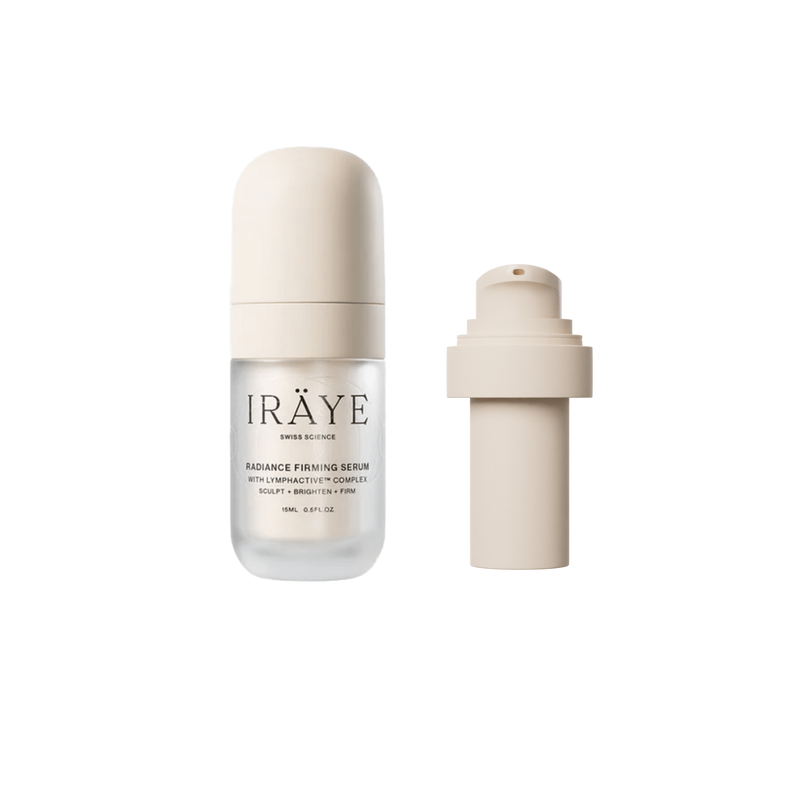






Menopause is one of the most significant biological transitions a woman's body undergoes and yet, the conversation around it has historically been flattened to a handful of symptoms: hot flushes, sleep disruption, mood change. The deeper biology the systemic restructuring that explains why the body feels, looks, and functions so differently is rarely explained in full.
Among the most consequential of these deeper changes is the disruption of the lymphatic system, the body's silent engine. Understanding this connection not only explains a wide range of menopausal experiences that are often dismissed or misattributed, it also offers a genuinely actionable path toward supporting your health during this transition and beyond.
How the Lymphatic System Works and Why Hormones Matter
To understand what menopause does to the lymphatic system, it helps first to understand what the lymphatic system is and why it is irreplaceable.
The lymphatic system is a network of vessels, nodes, and fluid (lymph) that runs parallel to the circulatory system throughout the entire body. Its functions are foundational:
•Fluid balance: The lymphatic system prevents edema and maintaining the optimal fluid environment for cellular function.
•Waste and toxin clearance: Metabolic waste products, cellular debris, pathogens, and excess proteins are transported through the lymph and filtered at lymph nodes.
•Immune activation: Lymph nodes are the primary sites at which immune cells. encounter pathogens and mount responses. The lymphatic system is the highway of the immune system.
•Lipid absorption: Dietary fats from the gut are absorbed via the lymphatic system rather than through the blood.
•Skin health: The superficial lymphatic network, lying just beneath the dermis, continuously clears inflammatory mediators, cellular waste, and excess fluid from skin tissue
Estrogen does not merely influence the lymphatic system it directly governs lymphatic vessel formation, maintenance, and contractile function.
What Estrogen Decline Does to the Lymphatic System
The consequences of estrogen withdrawal on lymphatic function operate across multiple biological levels, from the molecular to the visible.
INFLAMMATORY LOAD
Estrogen is broadly anti-inflammatory. Its withdrawal at menopause elevates systemic inflammatory signalling, a well-documented phenomenon that contributes to the increased cardiovascular risk, joint discomfort, and cognitive changes associated with the postmenopausal years. This elevated inflammatory load increases the demand placed on the lymphatic system precisely as its capacity is being reduced.
IMMUNE DISREGULATION
The combination of reduced lymphatic clearance and elevated inflammatory signalling creates what immunologists describe as inflammageing, a chronic, low-grade inflammatory state that accelerates biological ageing across all tissues. Postmenopausal women frequently experience new autoimmune presentations, increased risk to infection, and slower recovery from illness all consistent with lymphatic immune function compromise.
The Skin in Menopause: A Lymphatic Perspective
Much of what we observe in menopausal skin and attribute to collagen loss has a significant lymphatic component that is frequently overlooked.
The dermis is in continuous dialogue with the superficial lymphatic network. Inflammatory mediators, cellular debris, excess proteins and immune cells are constantly cleared from skin tissue by this network. When it slows, the dermal environment becomes increasingly cluttered with inflammatory signals, excess fluid, and metabolic waste producing visible changes:
•Increased skin sensitivity and reactivity
•Persistent dullness
•Post-inflammatory hyperpigmentation
THE INFLAMMAGEING–SKIN CONNECTION
Inflammageing describes the chronic, low-grade inflammatory state that drives biological ageing and it is significantly amplified at menopause.
The lymphatic system is the body's primary tool for clearing the inflammatory mediators that drive this process. Supporting lymphatic function is, therefore, a direct anti-inflammageing intervention.
Supporting Your Lymphatic System Through Menopause
The good news is significant: the lymphatic system is highly responsive to mechanical stimulation. While we cannot replicate the hormonal signalling of premenopausal estrogen, we can compensate for reduced lymphatic contractility through consistent, targeted physical input. The following approaches are supported by clinical evidence and aligned with the underlying physiology.
MOVEMENT AS MEDICINE
The lymphatic system has no autonomous pump — it depends on external forces. Muscle contraction during exercise, diaphragmatic breathing, and even the gentle compression of walking all contribute to lymph propulsion. For menopausal women, combining aerobic exercise with resistance training — at least 150 minutes per week — provides meaningful lymphatic as well as cardiovascular benefit. Rebounding (mini-trampoline exercise) has demonstrated particularly strong effects on superficial lymphatic flow due to the rhythmic gravity variation it creates. Explore how Carli Wheatley shares simple, targeted movements to reduce fluid retention and support your body's natural lymphatic here.
ANTI-INFLAMMATORY NUTRITION
Reducing the inflammatory load that the lymphatic system must process is as important as increasing its clearance capacity. A diet rich in omega-3 fatty acids, polyphenols (from berries, olive oil, green tea), and fermented foods directly reduces the systemic inflammation burden at menopause. Limiting refined sugar and ultra-processed foods removes a primary driver of endogenous inflammatory signalling. Adequate hydration is essential — lymph fluid is approximately 95% water.
MANUAL LYMPHATIC STIMULATION
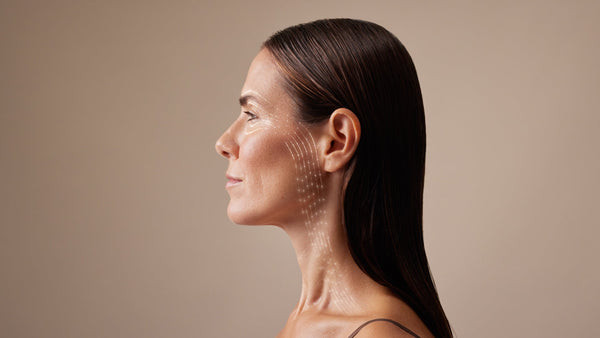
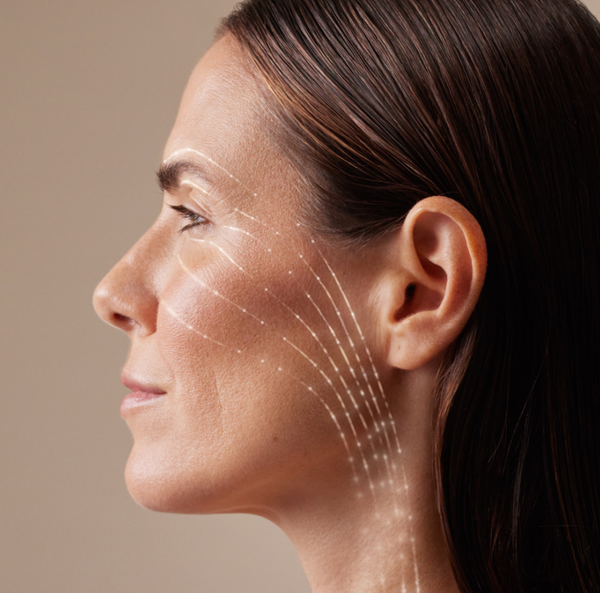
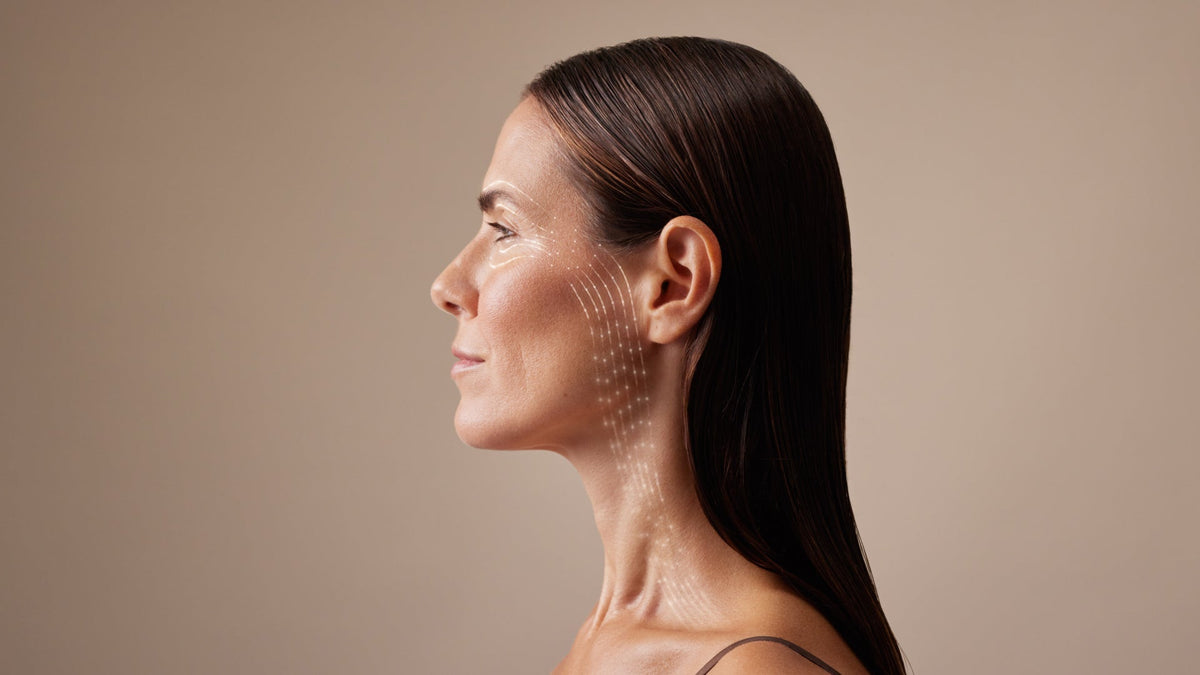
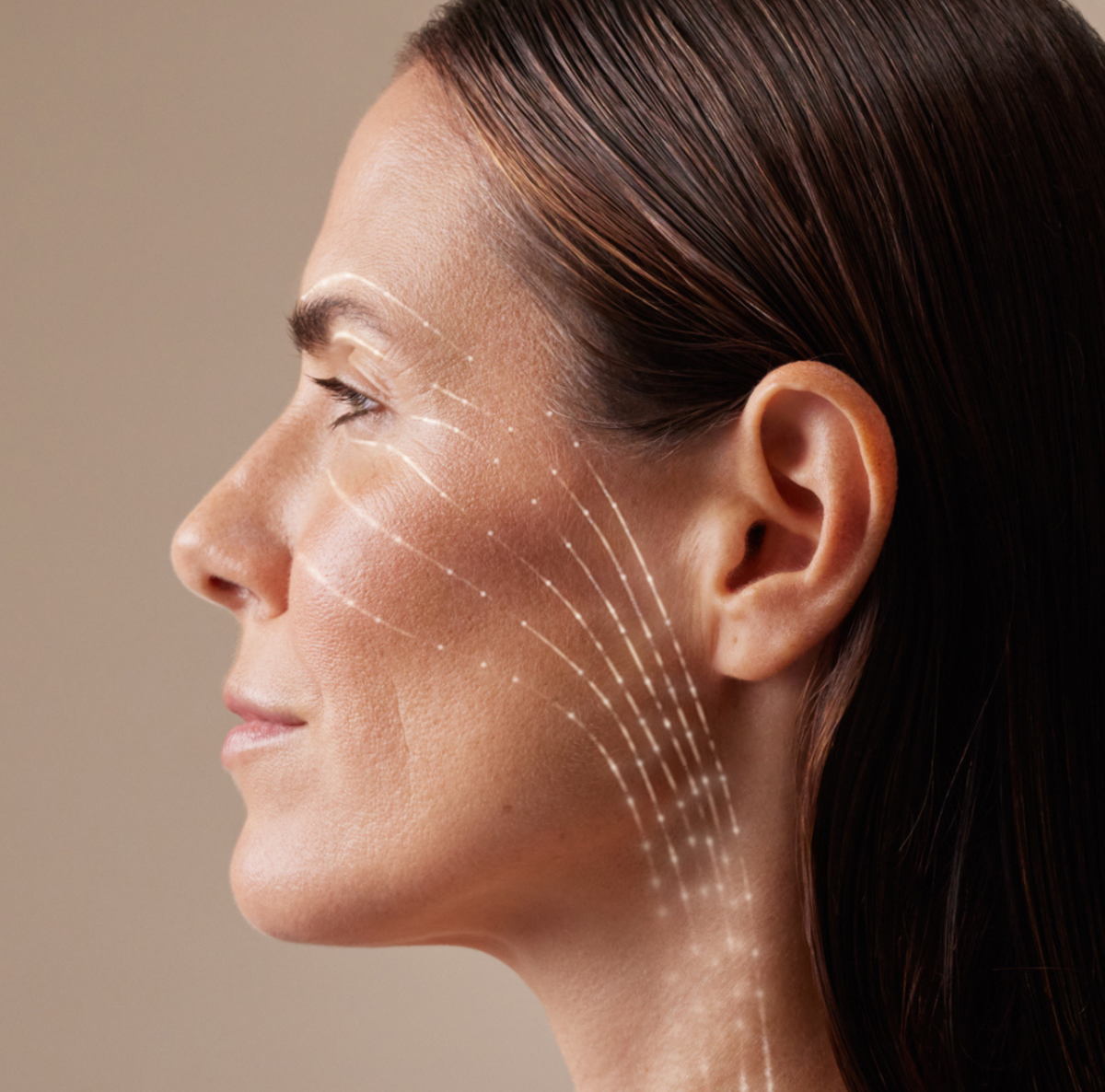
This is the most directly targeted intervention available outside of clinical settings. The superficial lymphatic network lies within 1–2mm of the skin surface and responds to light, directional pressure — the mechanical force is sufficient to stimulate flow in underlying vessels without direct contact. Consistent manual stimulation compensates for the reduced smooth muscle contractility caused by oestrogen withdrawal.
Iräye Face Ritual - Skincare Built for Skin That Is Changing
Our products are formulated to support the skin at every level, cleansing without stripping, nourishing without heaviness, and targeting the eye area where lymphatic sluggishness shows earliest and most visibly.

Cream-To-Fom-Cleanser
A gentle, thorough cleanse that removes the day without disrupting the barrier. The essential first step in any lymphatic-supportive ritual. When the skin needs cleansing that respects its sensitivity.

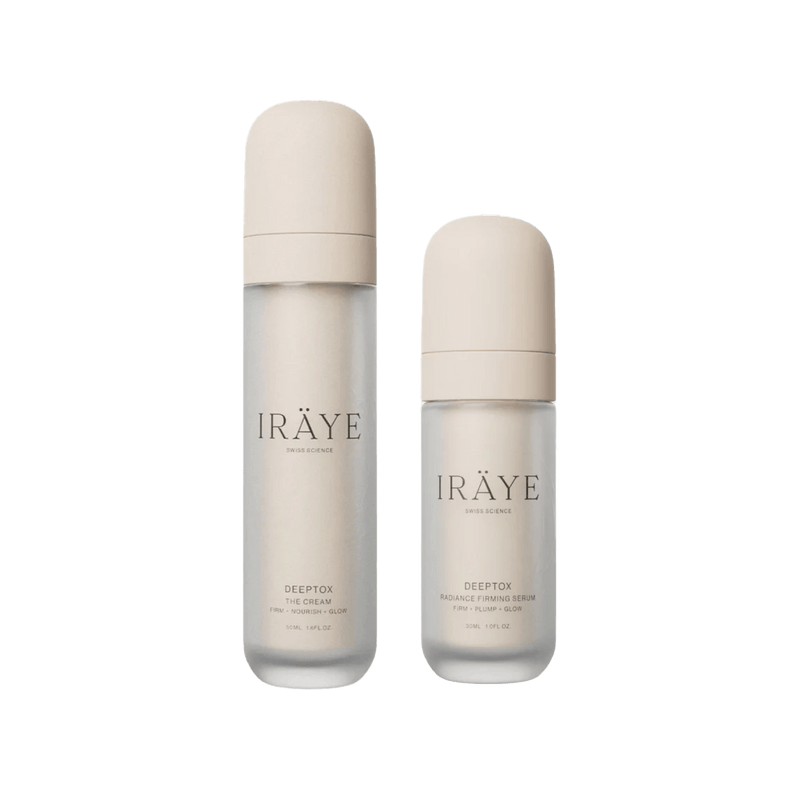
The Cream
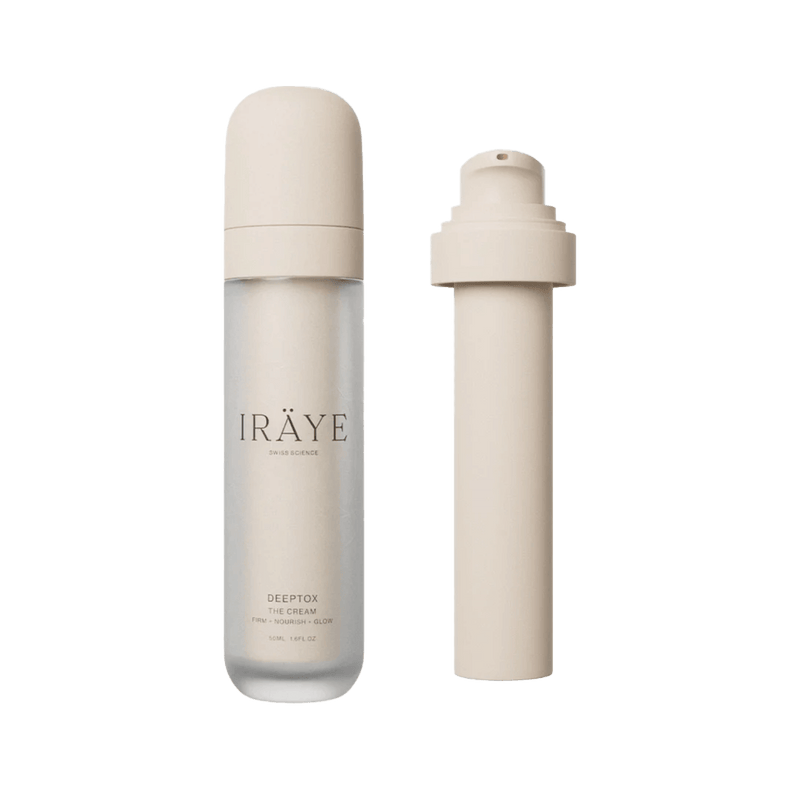
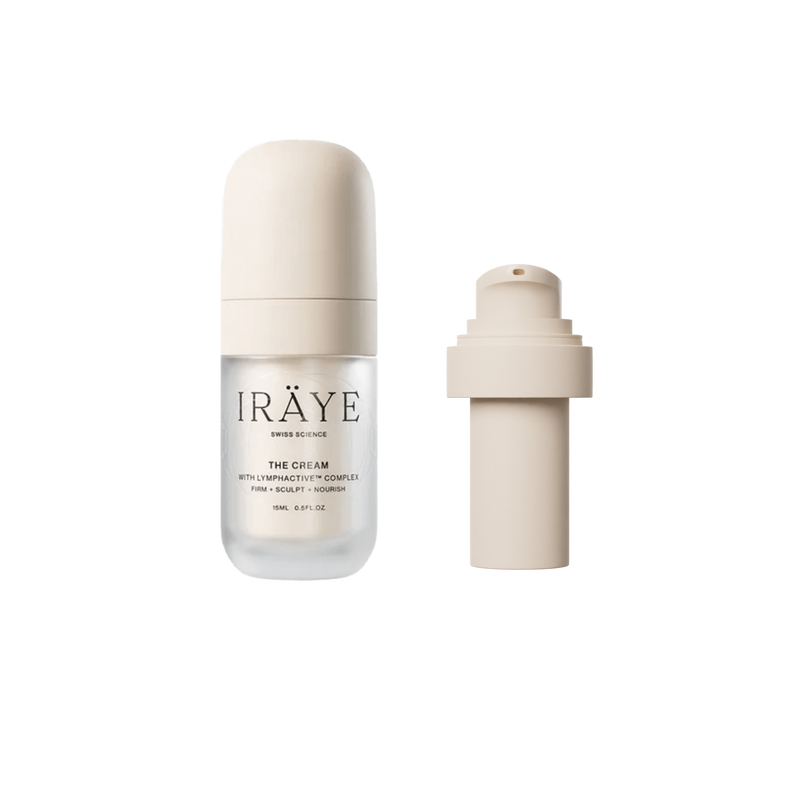
Formulated for skin that is becoming drier and more vulnerable. Rich without heaviness, it restores lipid balance and supports the barrier while delivering Lymphactive™ actives into the dermis.
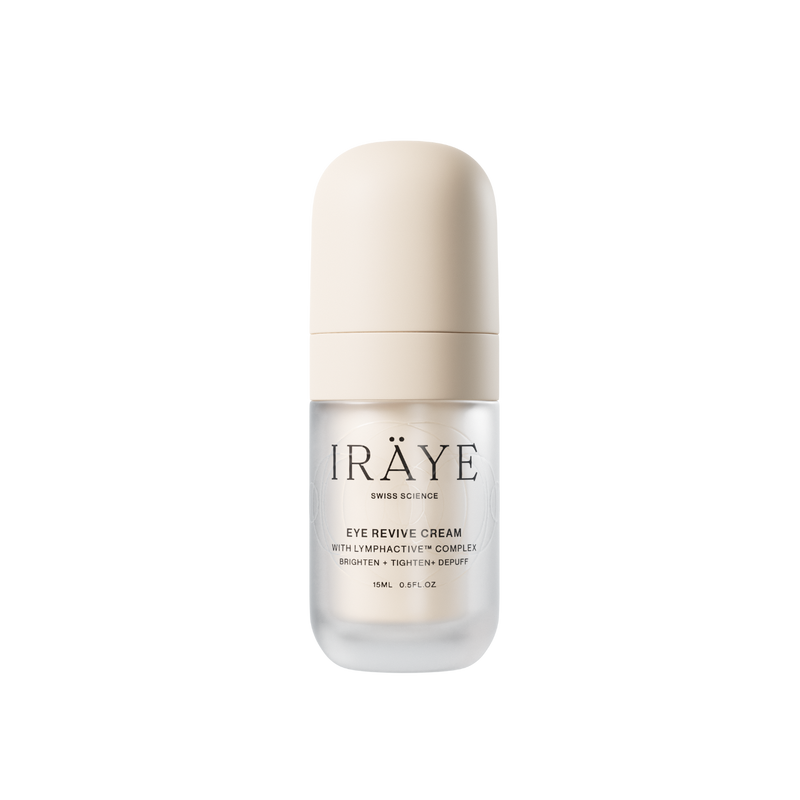
Eye Revive Cream
The undereye is where menopausal lymphatic slowdown shows first — puffiness, dark circles, fine lines. Eye Revive targets precisely this: lymphatic stagnation in the most delicate skin on the face.
To conclude,
A daily ritual that combines movement, anti-inflammatory nutrition, hydration, and manual lymphatic stimulation is not a cosmetic practice. It is a physiologically grounded response to a real and documented biological shift. It does not require waiting for medicine to catch up. It requires only the understanding that your body, in this transition, needs a different kind of care and the commitment to provide it.Menopause changes the rules your lymphatic system has operated by for decades. Understanding those new rules and working with them rather than against them is one of the most meaningful things you can do for your long-term health and vitality.