














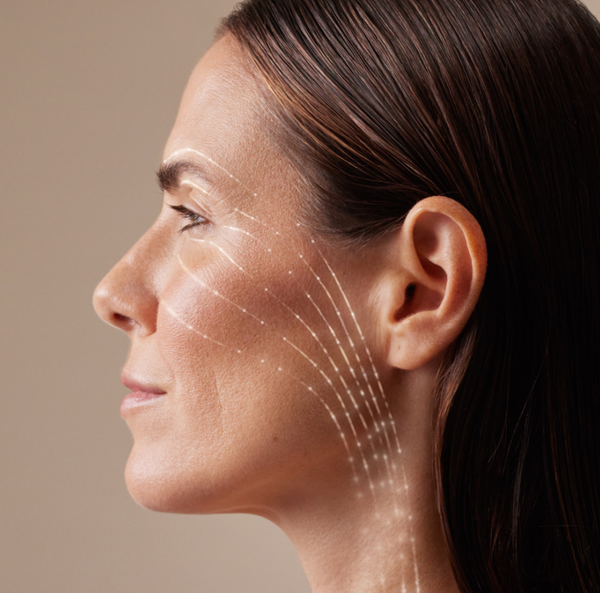
The Oestrogen & Lymphatic Connection
Estrogen is not simply a reproductive hormone. Estrogen receptors are found throughout the lymphatic system in lymph vessel walls, in lymph nodes, and in the smooth muscle cells that help propel lymph fluid forward. This means that when estrogen levels begin to fluctuate and eventually decline during perimenopause, the structural and functional integrity of the lymphatic network is directly affected.
HOW THIS SHOWS UP IN THE BODY
When estrogen becomes erratic, so does this entire machinery. Some possible symptoms which are not limited to are;
•Inflammation rises — lymph nodes become less efficient at filtering pathogens and cellular debris
•Skin loses resilience — reduced lymphatic clearance means less efficient removal of inflammatory mediators from dermal tissue
•Facial and body contour changes — retained fluid reshapes the face, particularly around the jaw, undereye, and mid-face.

The Skin & Lymphatic Connection During Perimenopause
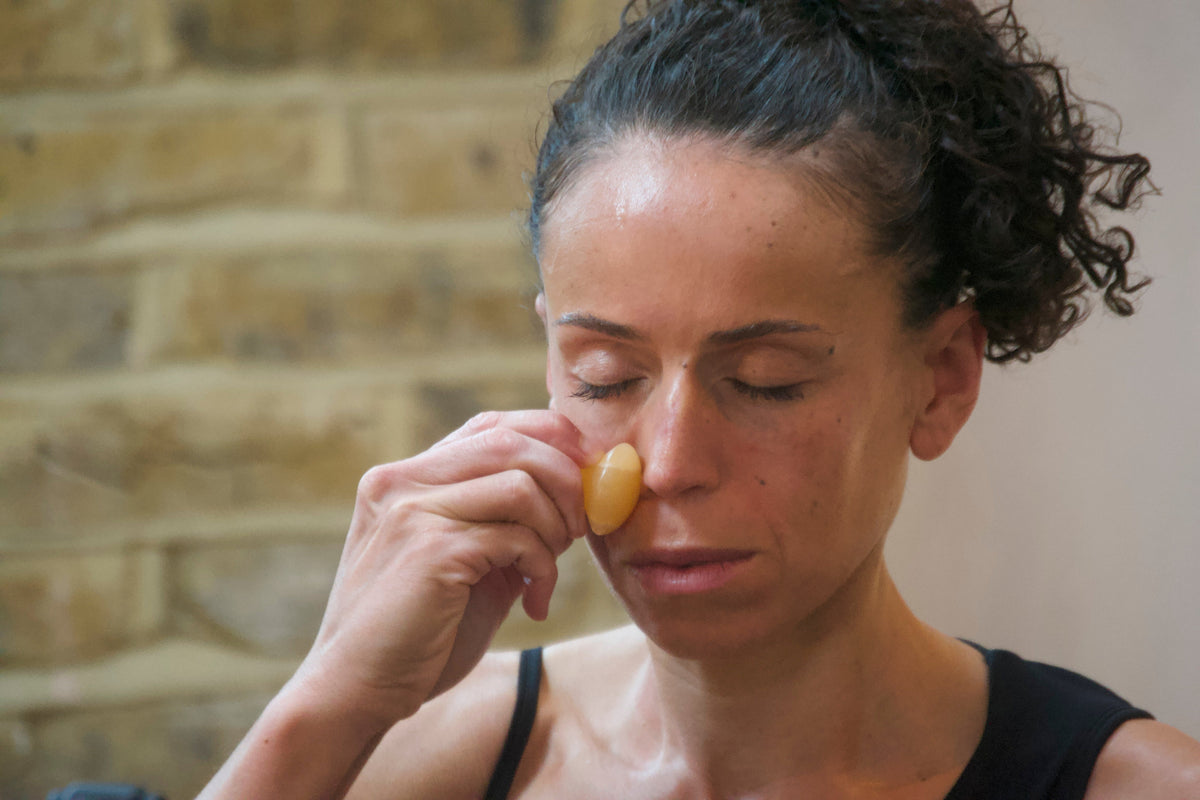
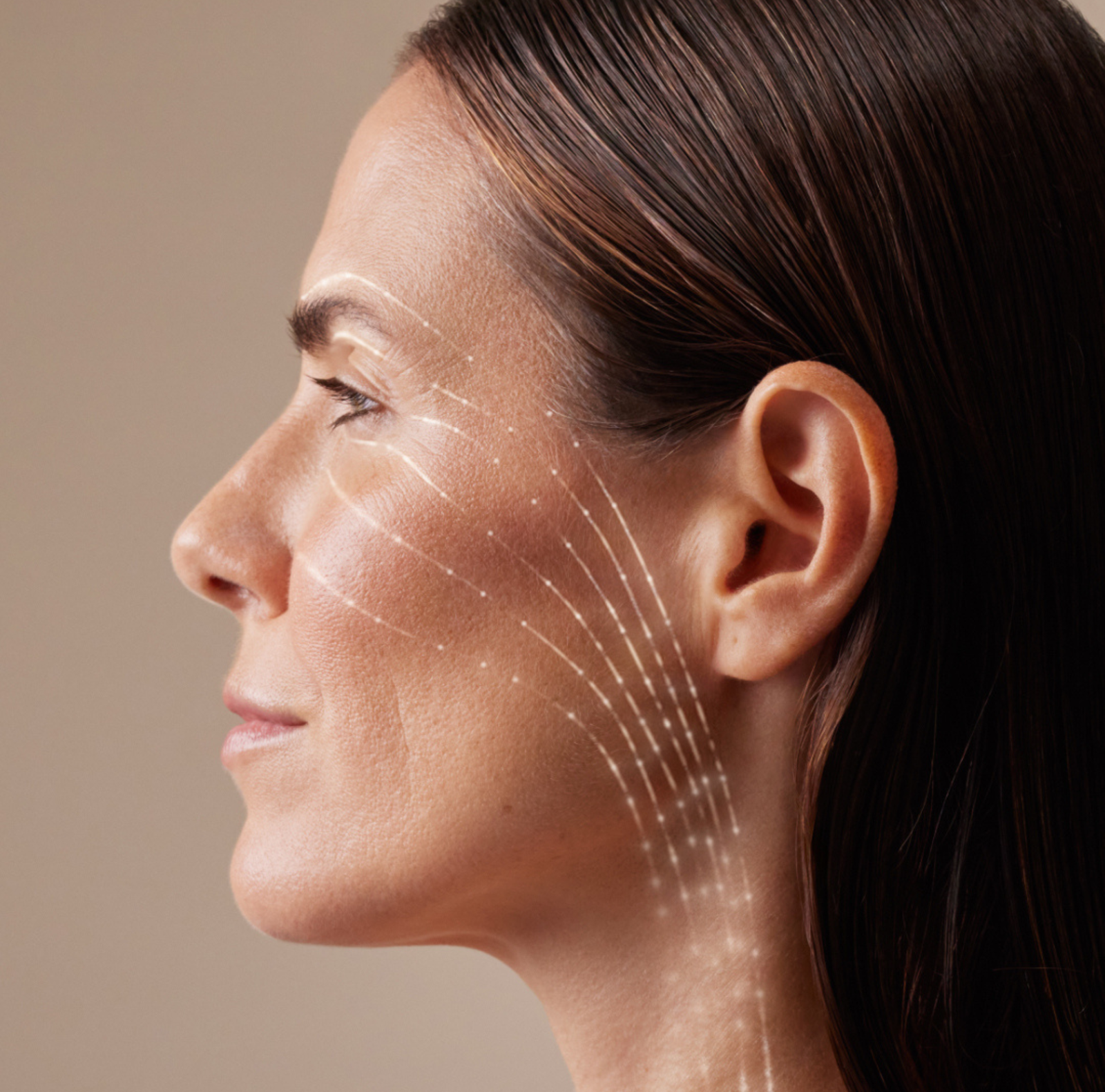
The skin changes attributed to perimenopause are not simply about collagen loss. They are, in significant part, lymphatic. The skin's appearance, its clarity, firmness, and luminosity depends on a functioning lymphatic drainage network operating just beneath the dermis.
When this network slows, the consequences are visible:
•Dullness and uneven tone — inflammatory mediators and cellular waste are not cleared efficiently
•Increased sensitivity and reactivity — retained immune cells and inflammatory signalling molecules heighten skin's response to products and environmental triggers
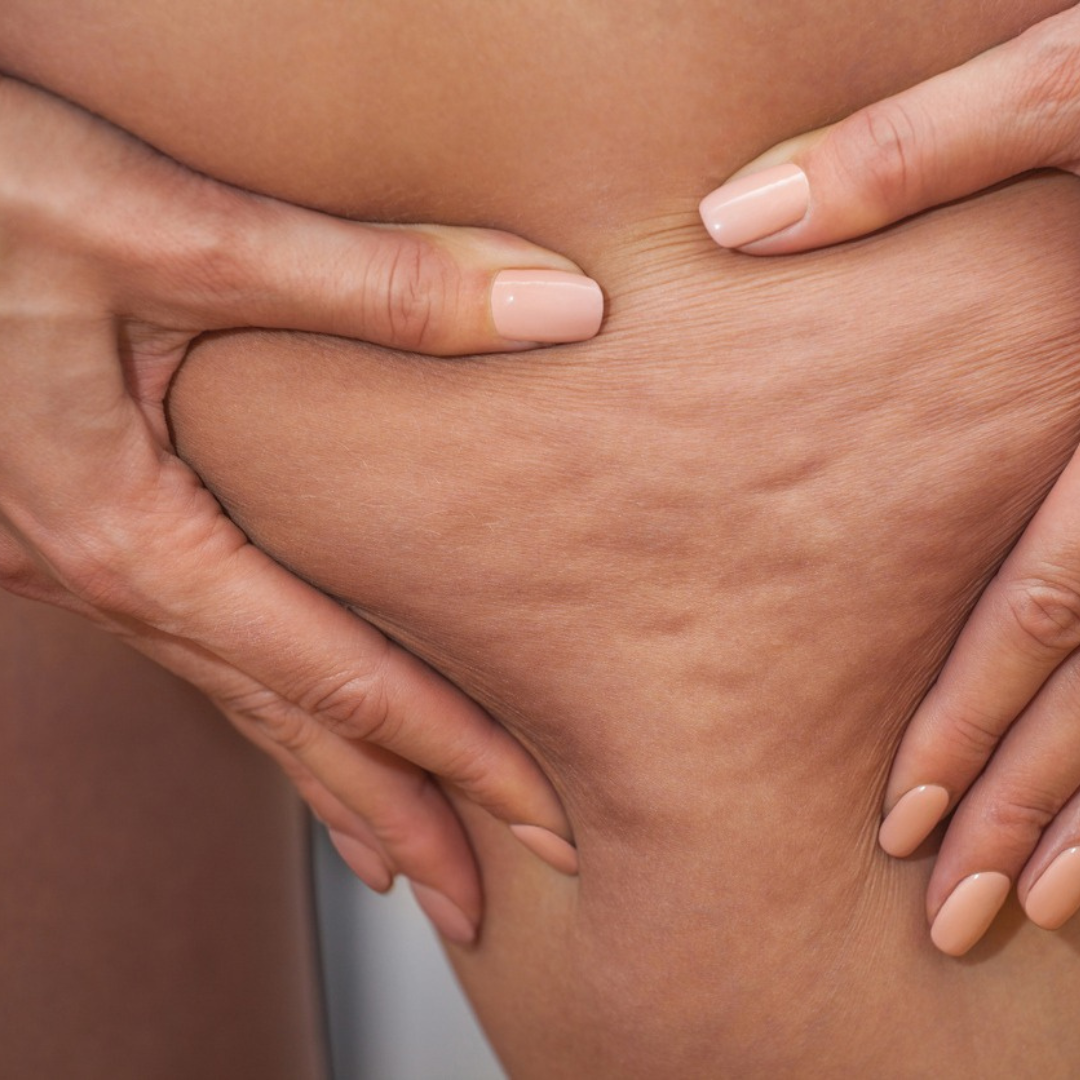
•Loss of definition — subtle, chronic fluid retention softens facial contours and body shape
•Slower wound healing — reduced lymphatic flow impairs the post-inflammatory resolution phase
•Accelerated visible ageing — chronic low-grade inflammation, often called "inflammageing," is partially driven by compromised lymphatic clearance
THE INFLAMMAGEING CONNECTION
Inflammageing — the chronic, low-grade inflammatory state associated with biological ageing — is strongly linked to lymphatic insufficiency. As the lymphatic system becomes less efficient at clearing cellular debris and immune activators, the inflammatory load on tissues rises. In the skin, this accelerates collagen degradation, impairs barrier function, and contributes to the loss of structural integrity that we associate with ageing. Perimenopause can dramatically accelerate this process.
Progesterone's Role: The Forgotten Hormone
While estrogen receives the most attention in perimenopausal conversations, progesterone — which declines earlier and more steeply — also has a complex relationship with the lymphatic system. Progesterone has a natural anti-inflammatory effect and plays a role in regulating vascular permeability.
This explains why many women begin noticing lymphatic symptoms — cyclical breast swelling, premenstrual puffiness, and joint heaviness — years before their period becomes irregular. The lymphatic system is responding, accurately, to a hormonal environment that is already beginning to shift.
What You Can Do: The Science of Lymphatic Support
The research is clear that lymphatic function is responsive to mechanical stimulation. While we cannot control the hormonal trajectory of perimenopause, we can actively support lymphatic flow through targeted interventions that work with the body's own biology.
MOVEMENT AND BREATH
Diaphragmatic breathing is one of the most powerful drivers of lymphatic flow — the thoracic duct, which drains the majority of the body's lymph, responds directly to changes in thoracic pressure created by deep breathing. Daily walking, yoga, and rebounding (mini-trampoline work) have all demonstrated measurable effects on lymphatic clearance.
HYDRATION AND NUTRITION
Lymph fluid is approximately 95% water. Dehydration significantly reduces lymphatic flow velocity. Anti-inflammatory nutrition — particularly omega-3 rich foods, polyphenols, and reduced refined sugar — reduces the inflammatory load that the lymphatic system must process, effectively lightening its burden. Explore our article on how Food & lymphatic care transform inflammed skin.
MANUAL LYMPHATIC STIMULATION
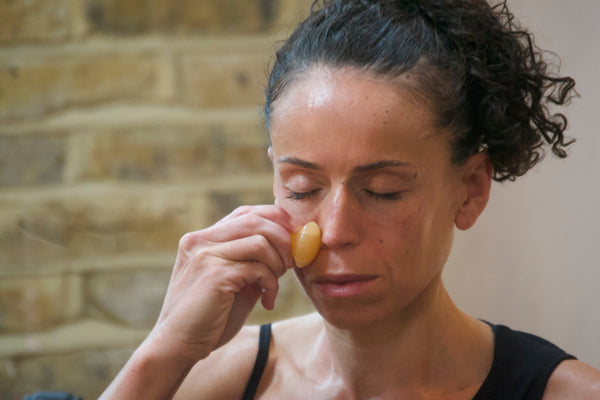
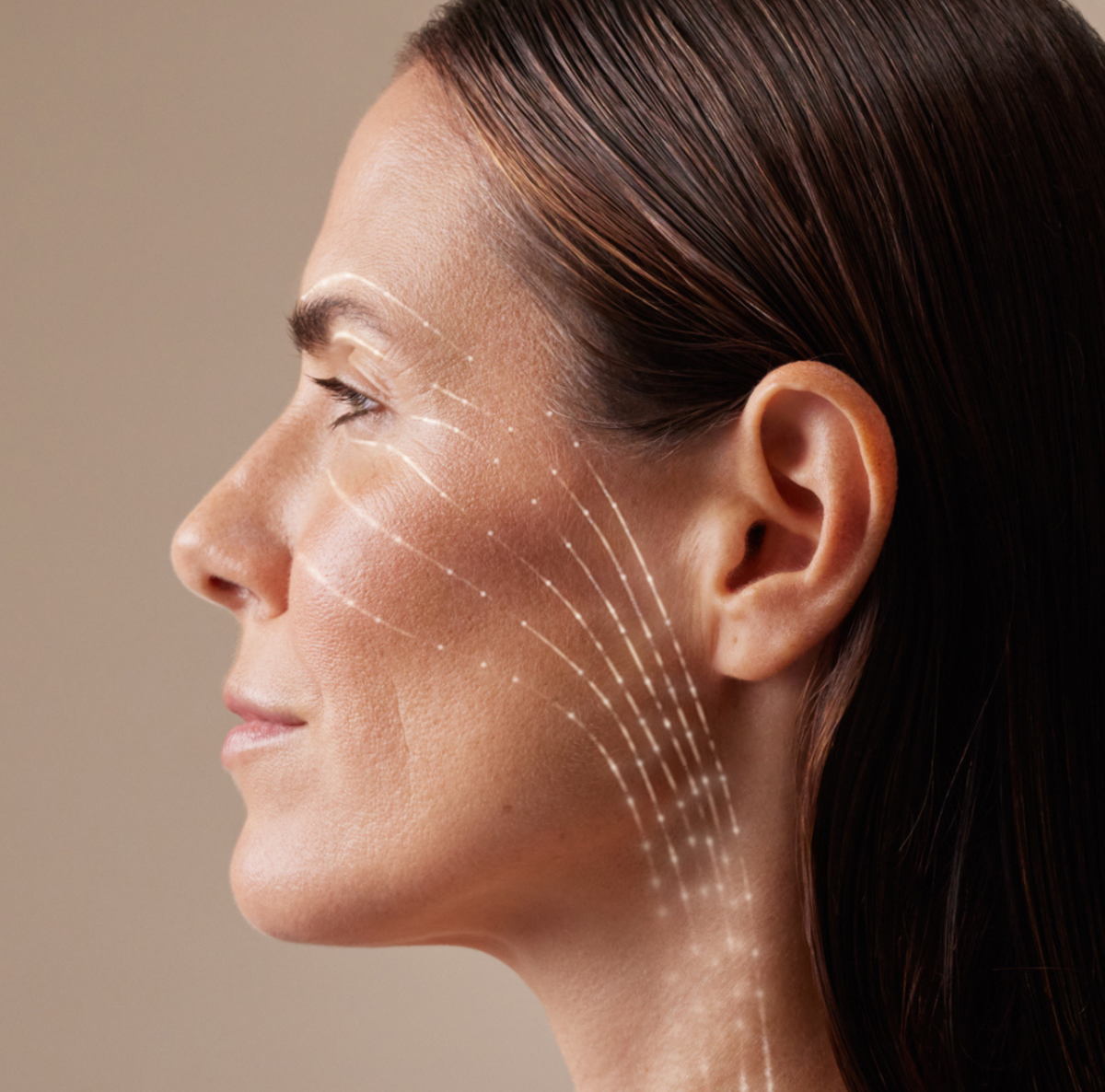
This is where targeted body ritual becomes genuinely clinical in its effect. The lymphatic system sits just beneath the skin — the superficial lymphatic network is within 1–2mm of the surface. Light, directional pressure applied to the skin is sufficient to stimulate lymphatic flow. This is the scientific basis for Gua-Sha, dry brushing, and manual lymphatic drainage massage.
For perimenopausal women, establishing a daily lymphatic stimulation ritual is not an indulgence. It is a physiologically sound response to a documented insufficiency — a way of compensating, mechanically, for what hormonal fluctuation is compromising systemically.
Building Your Perimenopausal Lymphatic Ritual
Consistency matters more than duration. A three-minute daily practice is more effective than a sporadic thirty-minute session. The following sequence, repeated each morning, creates a meaningful foundation of lymphatic support:
MORNING SEQUENCE
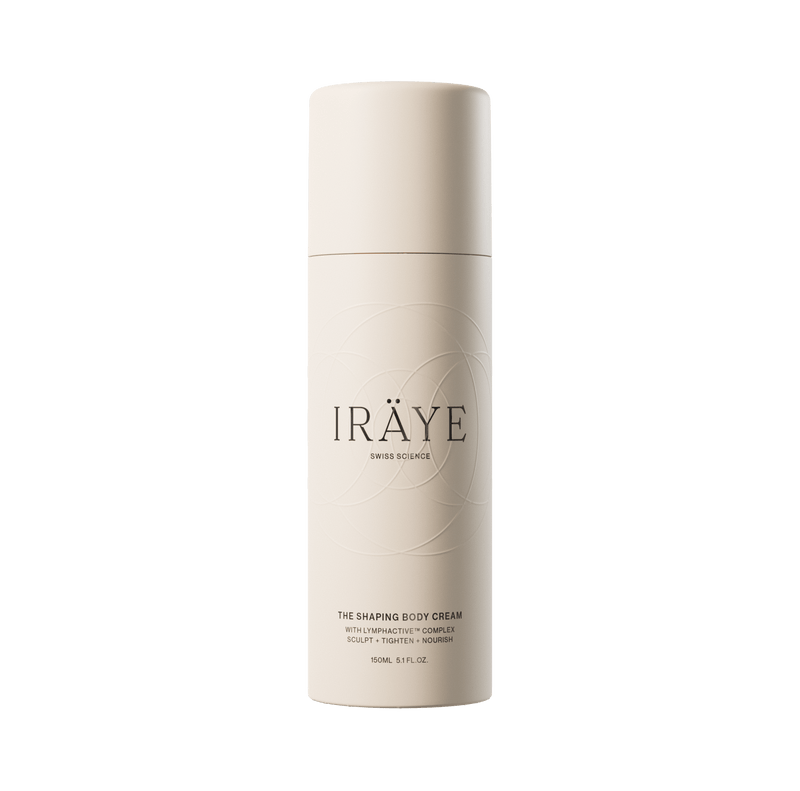
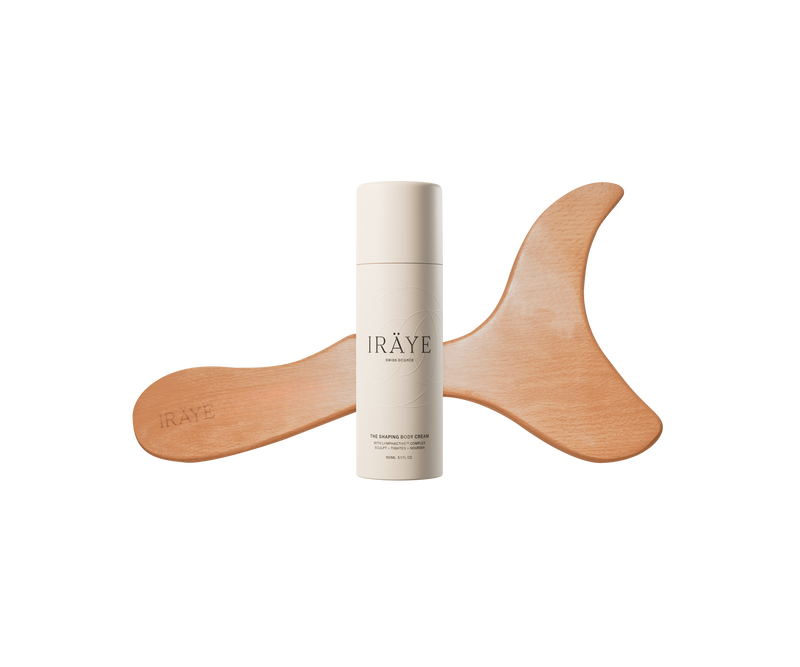
•Activate the main drainage points first — gentle pressure at the collarbone nodes opens the terminus, creating space for fluid to drain. Apply The Shaping Body Cream with light strokes inward toward the clavicle on each side.
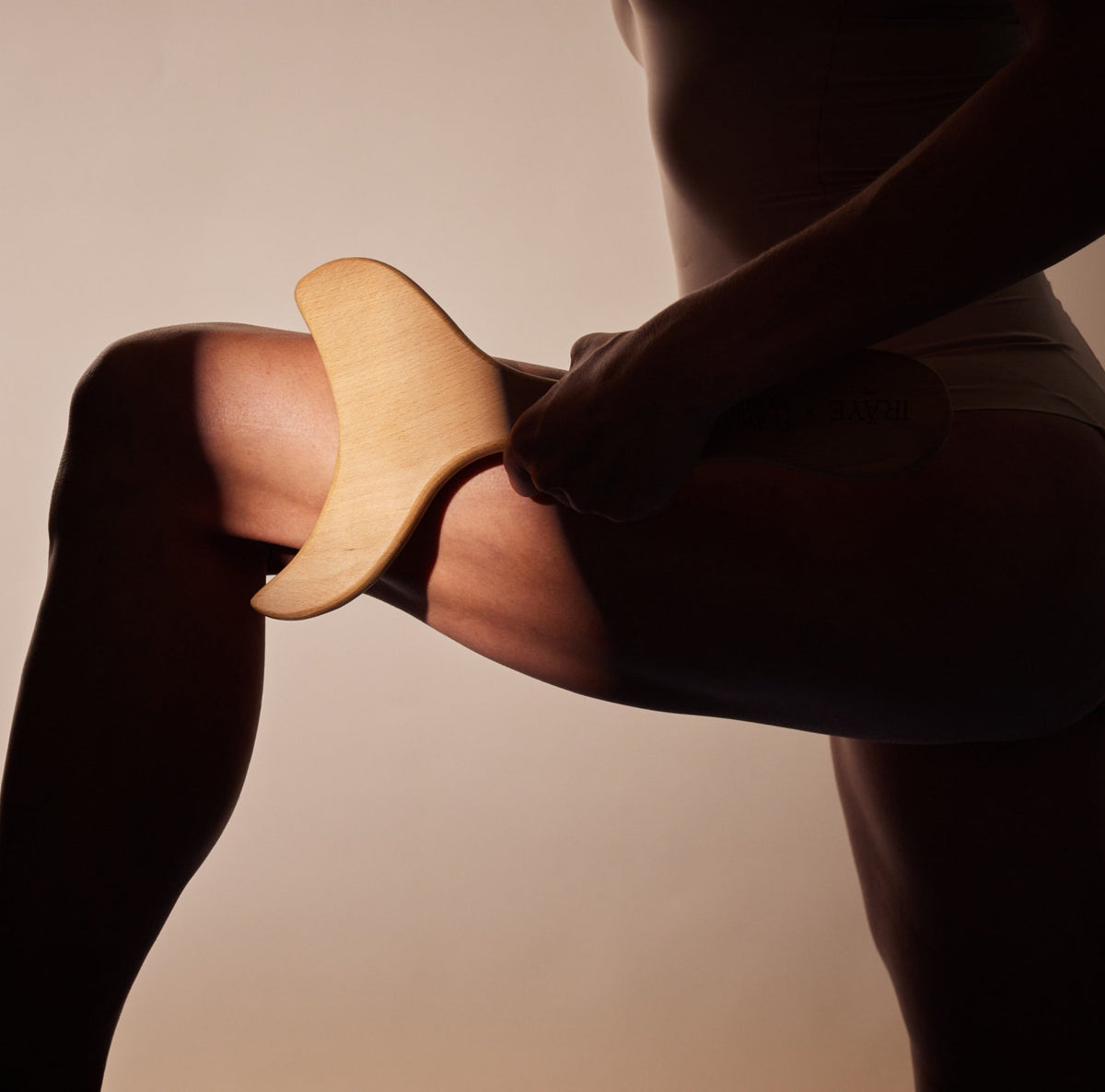
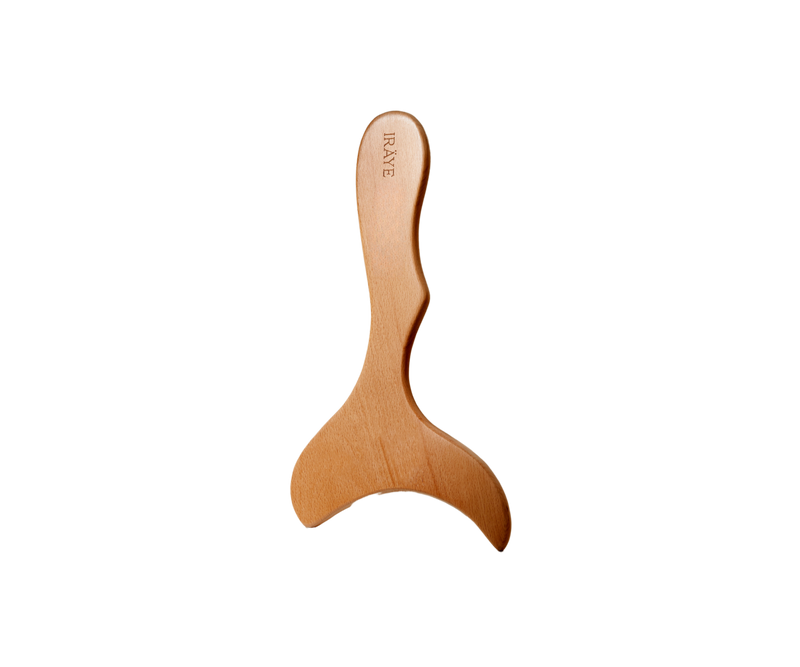
•Work from extremities toward the centre — using the Body Gua-Sha, work in long, sweeping strokes from ankle to knee, knee to groin, wrist to shoulder. Always move fluid toward the nearest lymph node cluster.
•Abdomen in circles — the abdominal lymphatic network is particularly sensitive to hormonal change. Circular strokes over the belly, clockwise, stimulate both digestive lymphatics and the cisterna chyli, the main lymphatic collection point of the lower body.
•Three deep breaths to close — finish with three slow diaphragmatic breaths, which activate the thoracic duct and complete the systemic drainage cycle.
Dive deeper and learn more about our three-minute body sculpting ritual.