





In Conversation with Paola Di Lanzo: Founder of Paola's BodyBarre
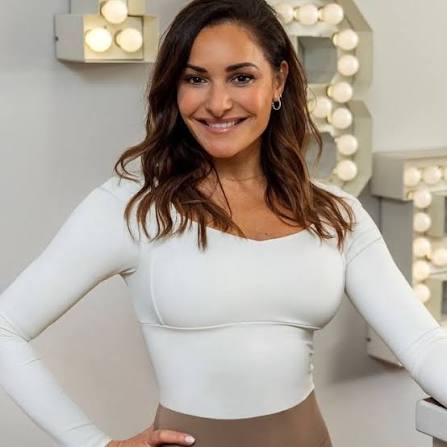
At IRÄYE, we believe lymphatic health is where inner wellbeing and visible results meet. The lymphatic system has no pump of its own: it relies on movement, muscle and breath to keep it flowing. So who better to ask than someone who has spent more than 30 years teaching the body to move?
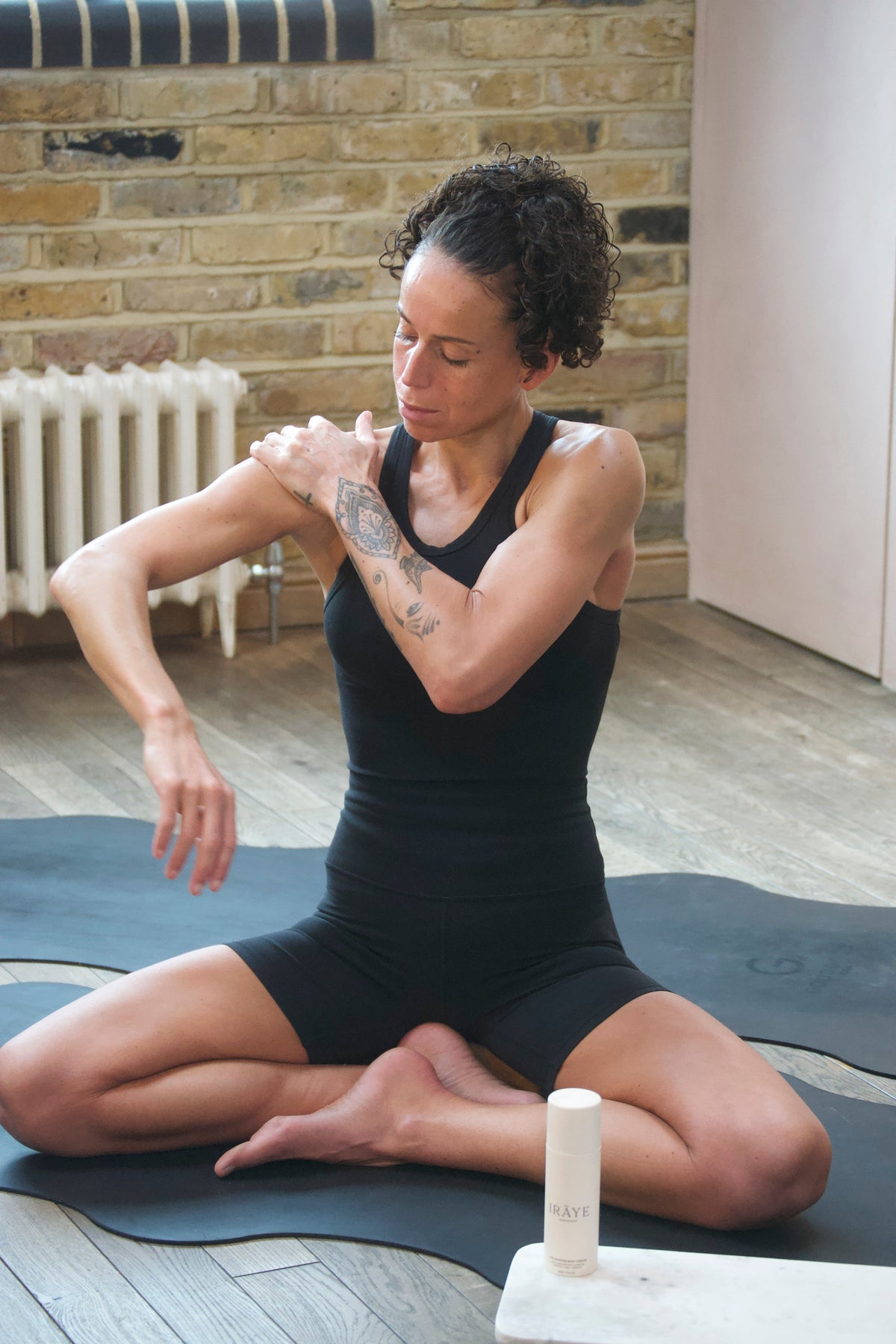
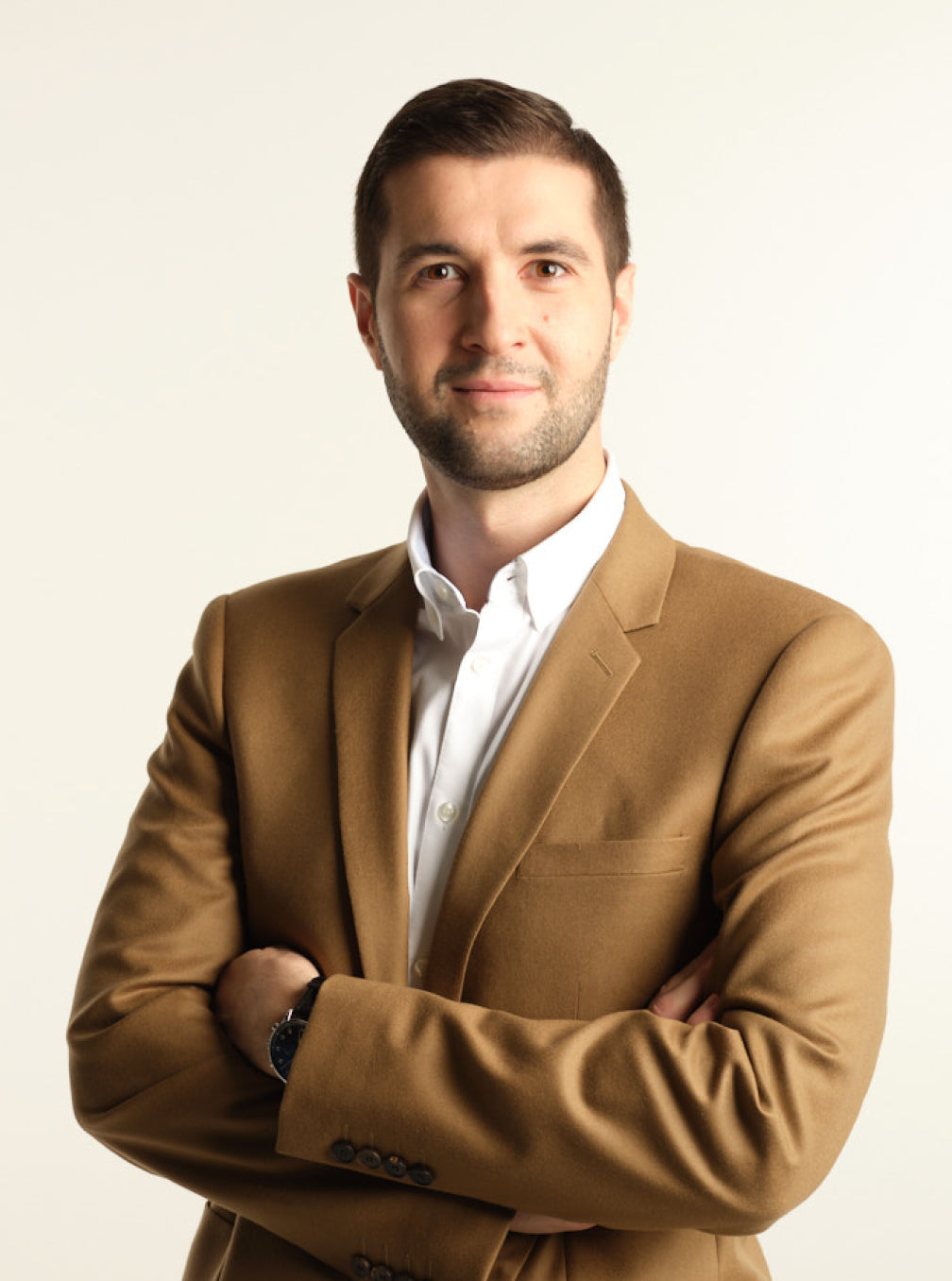
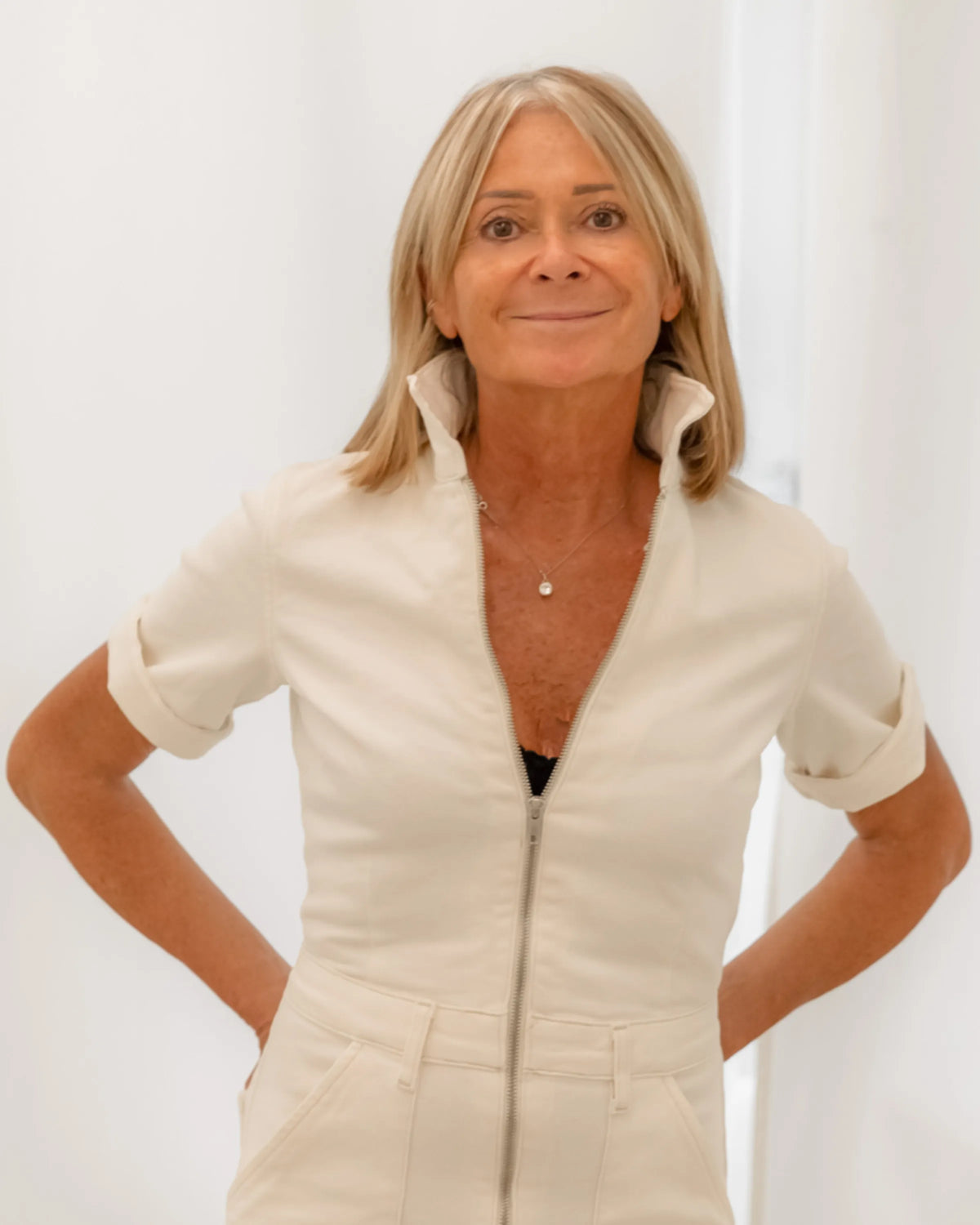
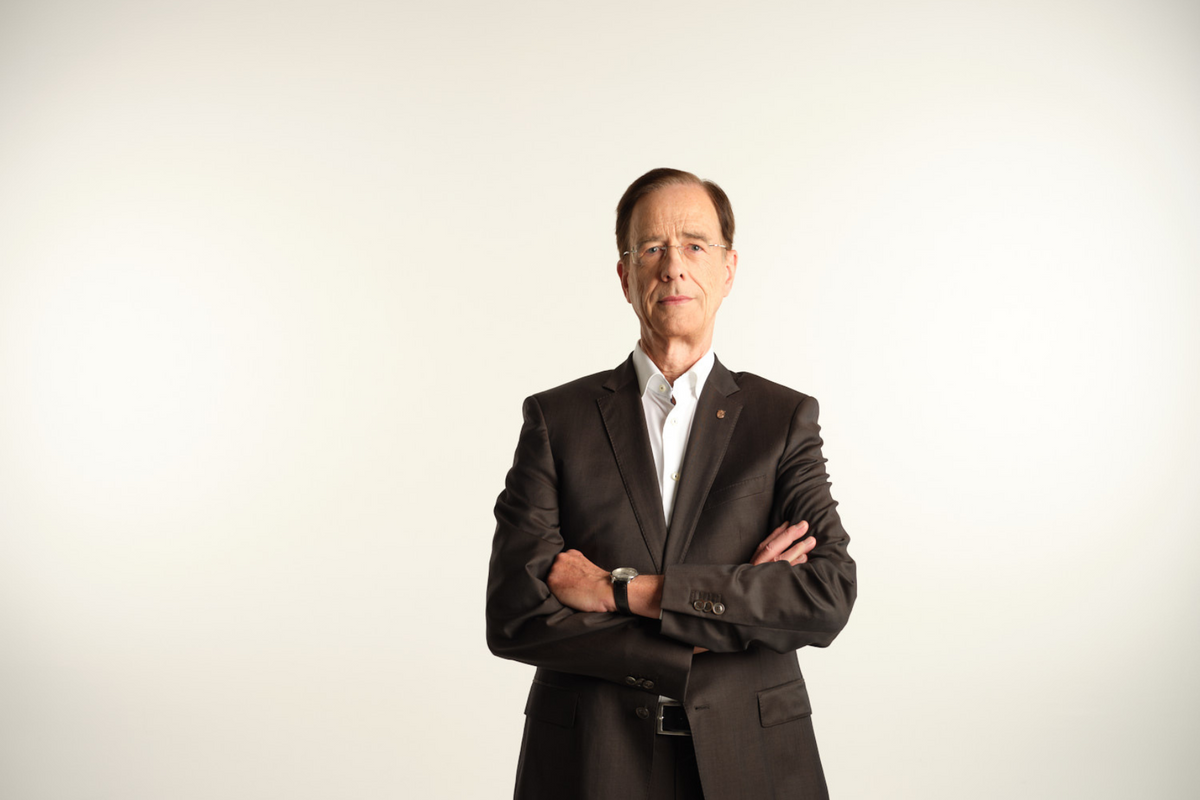
Paola Di Lanzo, founder of Paola's BodyBarre, created the PBB Method, a blend of Pilates, barre and yoga-inspired stretching. We sat down with her to talk about how movement and breath support lymphatic flow, caring for the body through every life stage, and the daily rituals she never skips.
From Australia to London: Paola's Journey to the PBB Method
You started in fitness more than 30 years ago. How did that path lead you to create PBB?
I grew up in Australia, and movement has always been an integral part of my life and my whole working life. I started in the fitness industry in 1989, studied Human Movement and Sports Science, and trained as a personal trainer. That science background shaped everything that came after.
When I moved to London in 1998, I went deeper. I trained in classical Pilates with Michael King and in functional movement with Paul Chek. Discovering Pilates during my own pregnancy changed how I thought about the body completely. I could feel what controlled, intelligent movement did for me at a time when my body was changing every week.
From 2002, I began bringing those worlds together: the precision of Pilates, the strength and stamina of barre, yoga-inspired stretching and functional training. That became the PBB Method. Paola's BodyBarre started in 2008, and I opened my first studio in Fulham in 2013. The aim has never changed. I wanted a workout that makes women strong and capable for the long term, in a community where they feel they belong.
How Barre and Pilates Support the Lymphatic System
IRÄYE is built around lymphatic health. How does movement help the lymphatic system?
The lymphatic system has no heart of its own to pump it. It relies on the muscles around the vessels squeezing and releasing, and on one-way valves that stop fluid flowing backwards. Every time a muscle contracts, it compresses the lymphatic vessels nearby and pushes fluid along. When we are still for long periods, that flow slows right down.
Each part of the PBB Method works that pump in a slightly different way. The small, rhythmic pulses at the barre are repeated contractions and releases through the legs, glutes and arms. Calf raises and relevés work the calf muscle, one of the most important pumps for moving fluid up from the lower legs.
The Pilates work adds control through a full range of movement. Research on working muscle suggests lymph is moved most effectively when a muscle can shorten fully, so slow, complete contractions matter as much as intensity. The deep stretches at the end of class are not just for flexibility, either. The tiny lymphatic vessels are anchored into the surrounding tissue, so when a muscle lengthens, it gently pulls those vessels open and helps fluid move in. Contract, release, lengthen: a class takes the body through all three.
Why the Breath Matters for Lymphatic Flow
What role does breathing play, and how do you teach it at PBB?
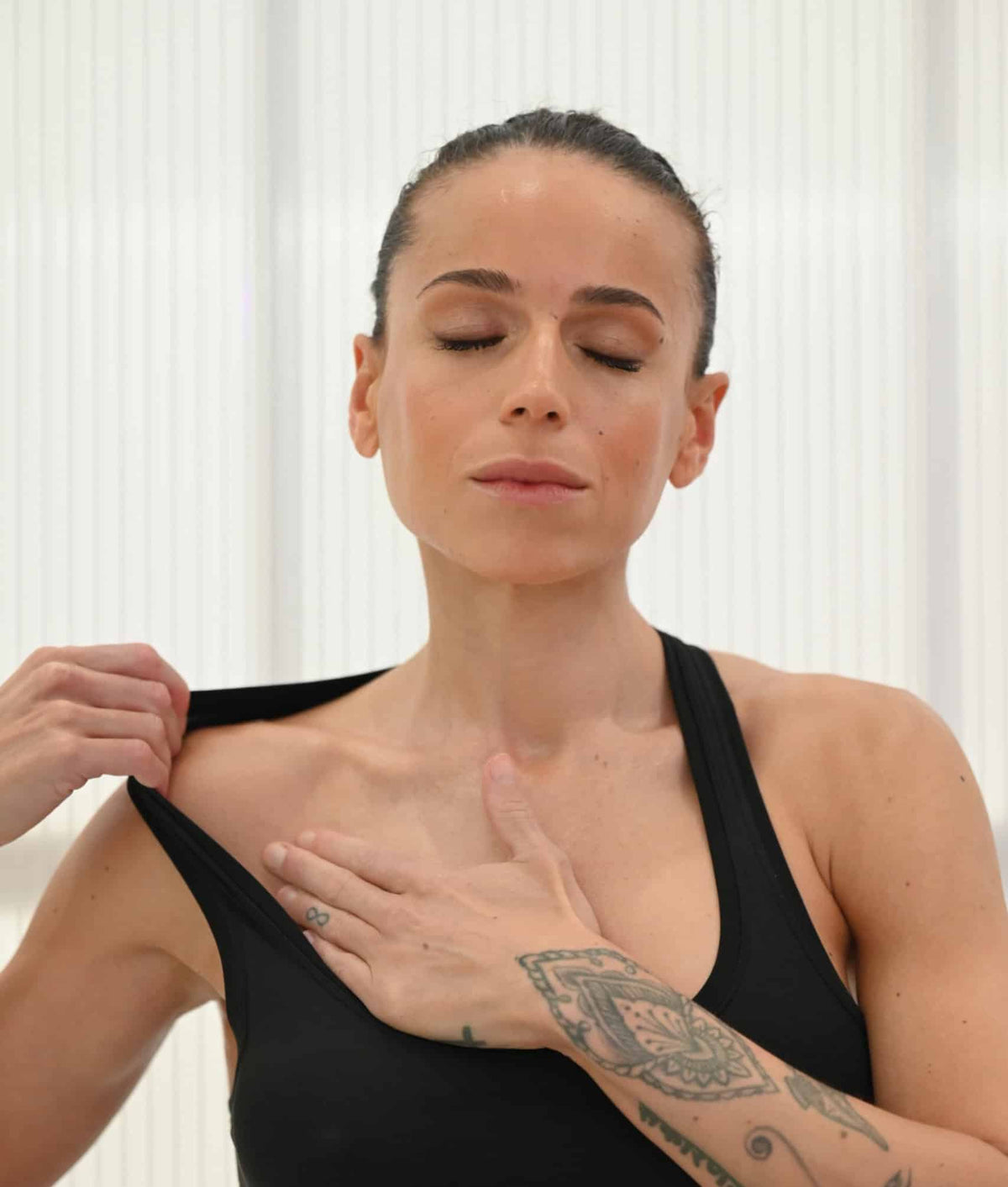
Breath is the first thing we teach and the thing we keep coming back to. The diaphragm is a muscle too. As it moves down and up, it changes the pressure in the chest and abdomen, and those pressure changes help draw fluid back towards the large vessels near the collarbone, where lymph returns to the bloodstream.
At PBB, we use two kinds of breathing. In Pilates work, we use lateral breathing into the back and sides of the ribs, so clients can keep their deep core engaged while still breathing fully. In our stretches, cool-downs and slower classes, we come back to deep, diaphragmatic breathing, letting the belly and ribs expand and soften.
When clients really connect with it, the change is noticeable. Their movement becomes smoother and more controlled, they stop holding tension in their neck and shoulders, and the deep core and pelvic floor start to work properly, because they are working with the breath rather than against it. Many women also tell me it is the moment in their day when their mind finally slows down. That is where the inner and outer benefits meet.
Movement and Lymphatic Care Through Every Life Stage
How should movement change as women's bodies change, from pregnancy to menopause?
I found Pilates when I was pregnant, so I have always seen movement as something that should adapt with a woman rather than stay the same. During pregnancy, the body carries much more fluid, and swollen ankles and heavy legs are very common. Gentle, regular movement makes a real difference: ankle circles, calf work, side-lying leg work, supported positions and plenty of breathing. It should always sit alongside guidance from a midwife or doctor, and any sudden or severe swelling needs medical attention.
After birth, the priority is rebuilding the deep core and pelvic floor gently, and breath is the foundation for both.
In perimenopause and menopause, many women describe new bloating, puffiness and a feeling of heaviness. This is also when muscle mass becomes a priority. From around the age of 30, we lose roughly 3 to 5 percent of our muscle per decade if we do nothing about it, and muscle is the very pump the lymphatic system depends on. So my message for midlife is simple: strength is circulation. Keeping muscle strong, moving every day and taking time to breathe deeply is good for fluid, for bones, for balance and for how you feel.
Where PBB and IRÄYE Meet
IRÄYE believes the best rituals are the ones you can keep. Where do you see our philosophies meeting?
Consistency is where we meet. The best results I have seen in more than 30 years have never come from extremes. They come from women who show up week after week, because the practice fits their life and makes them feel good. A ritual you can keep will always do more than a perfect plan you abandon.
I also share IRÄYE's belief that inner wellbeing and visible results are connected. At PBB, we see it every day. When a woman is stronger, more mobile and breathing better, it shows in her posture, her energy and her skin, and just as much in her confidence and her mood. A lot of that comes from community, too. People keep coming back because they are part of something, and that makes the habit last.
Paola's Daily Ritual: Light, Movement and Dry Brushing
What does a typical day of movement, skincare and recovery look like for you?
My day starts with making sure I see the light. I open my blinds straight away and have my tea or coffee with natural light on me. Movement starts early, as I walk to work and then teach a class! When I'm not teaching, I try to do a very early morning hot yoga class. On the days I don't train, I walk by the river near my house and my studio at Sael Spa.
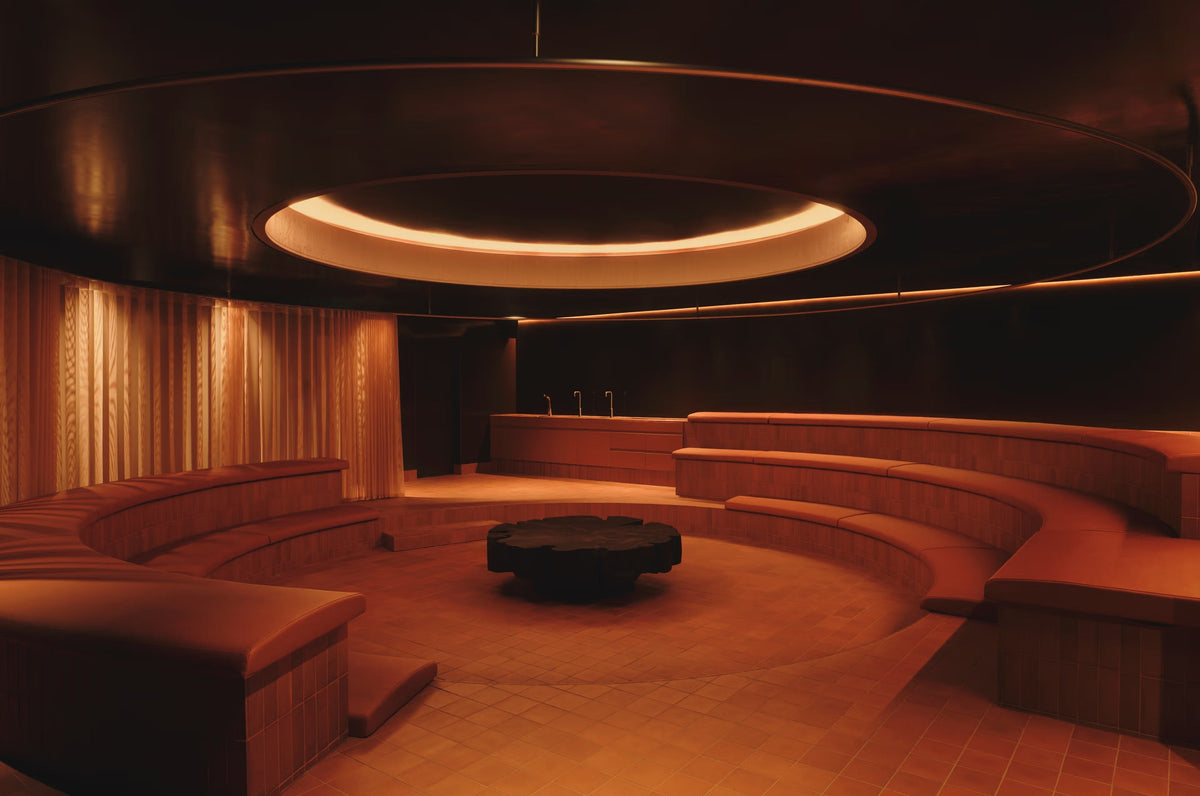
I have dry brushed my skin every day for the past 20 years. It is my non-negotiable ritual. Not only does it wake me up in the morning, it also boosts circulation while ridding me of dead skin. I love a good sauna, and nothing beats a sauna overlooking the river at Sael Spa. I also teach under the Bon Charge infrared lights at the PBB x Sael Movement Studio.
One Simple Lymphatic Habit for Your Desk
If our readers could add one small daily habit to support lymphatic flow, what would it be?
If you sit at a desk, try this every hour:
1- Stand up.
2- Rise slowly onto your toes and lower down with control, 20 times, going all the way up each time.
3- Finish standing tall with your hands on your lower ribs and take five slow breaths, letting the ribs and belly widen as you breathe in and soften as you breathe out.
Each part has a job. Simply standing up breaks a long stretch of sitting, which is when fluid tends to pool in the lower legs. The calf is one of the body's most powerful pumps, and research suggests muscle moves lymph best when it contracts through its full range, which is why I ask for the full rise rather than little bounces. The breath then works the diaphragm, the biggest pump in the trunk, helping move fluid on towards the chest, where lymph rejoins the bloodstream.
Bring the Ritual Home
Paola's message is simple: move every day, breathe deeply, and choose rituals you can keep. Pair her daily movement and dry brushing with IRÄYE's lymphatic rituals:
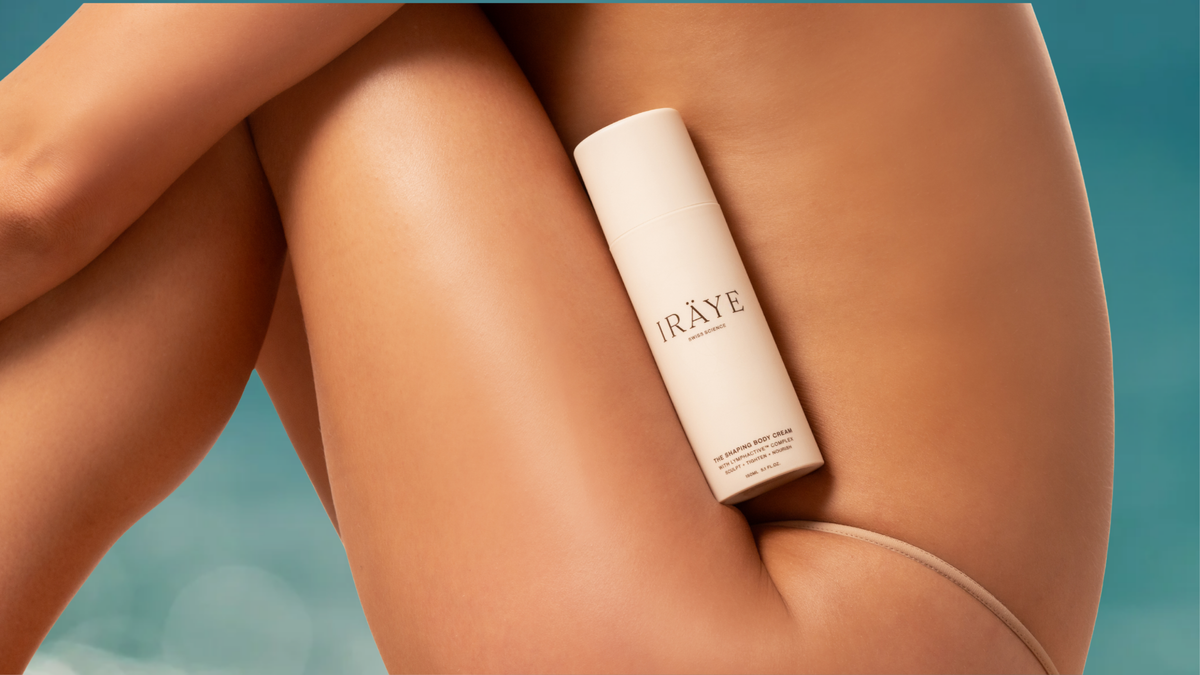
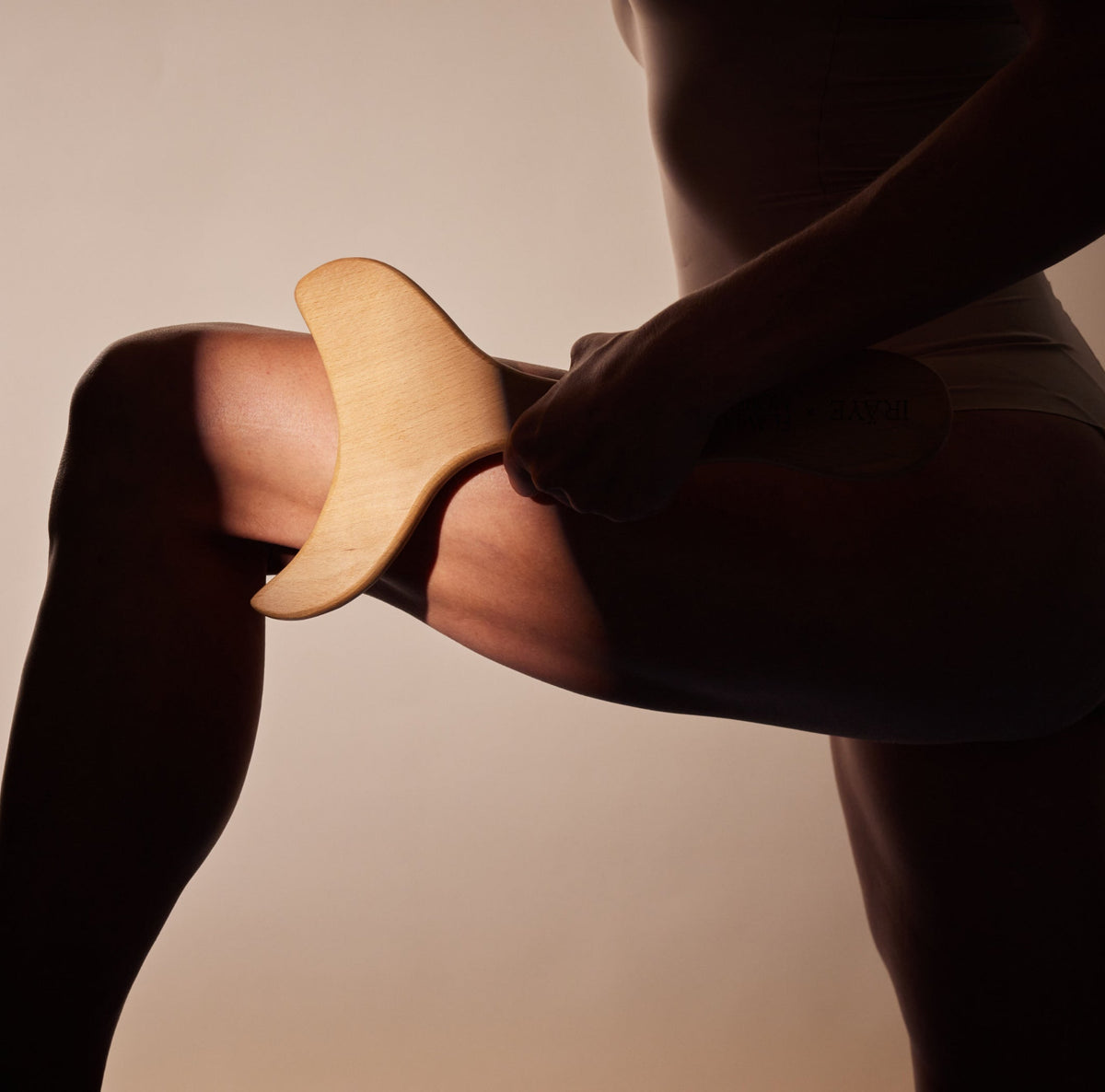
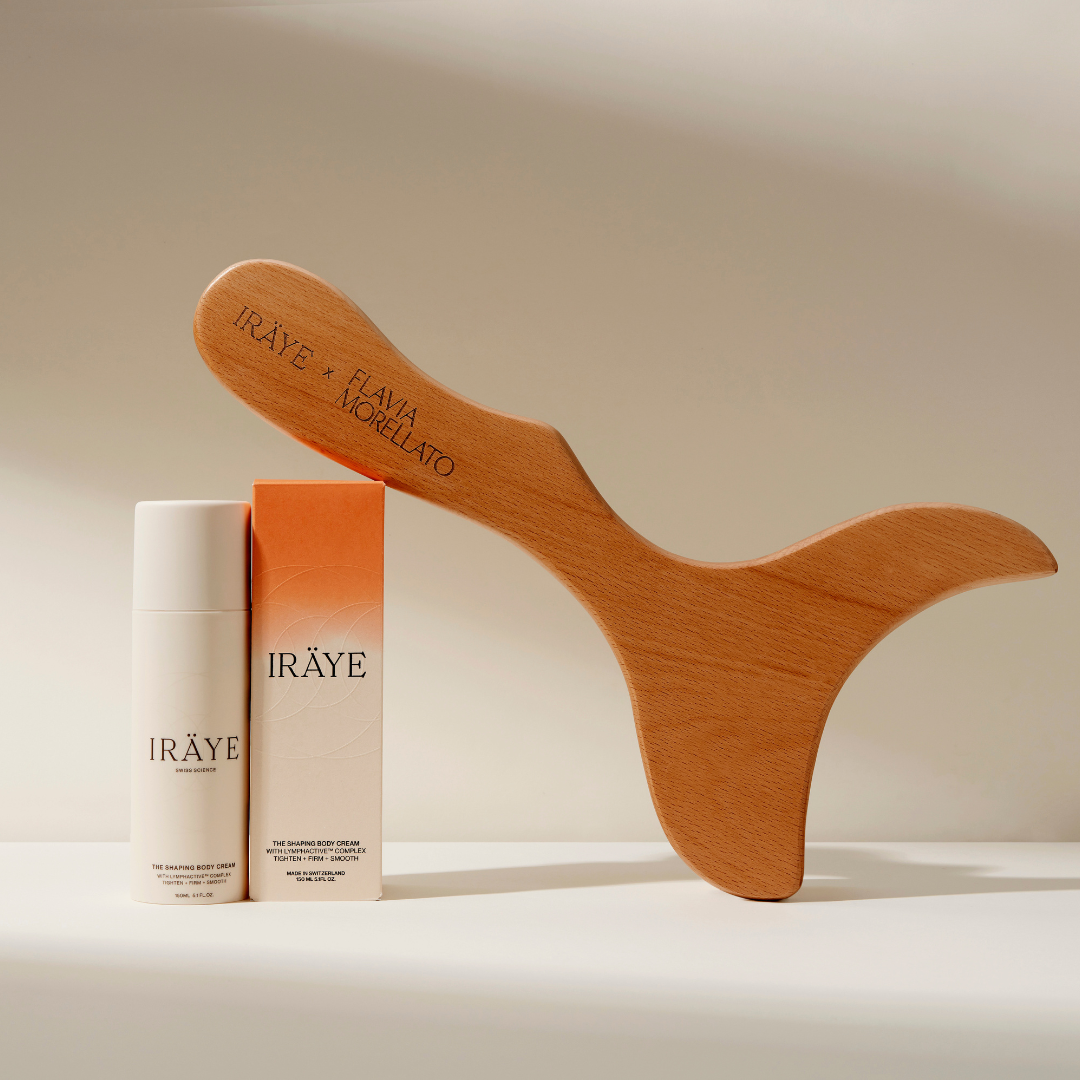
1- For the body: The Shaping Body Cream with LYMPHACTIVE™, or the full 3-Month Lymphatic Body Drainage Ritual, for a few minutes of self-massage after movement or dry brushing.
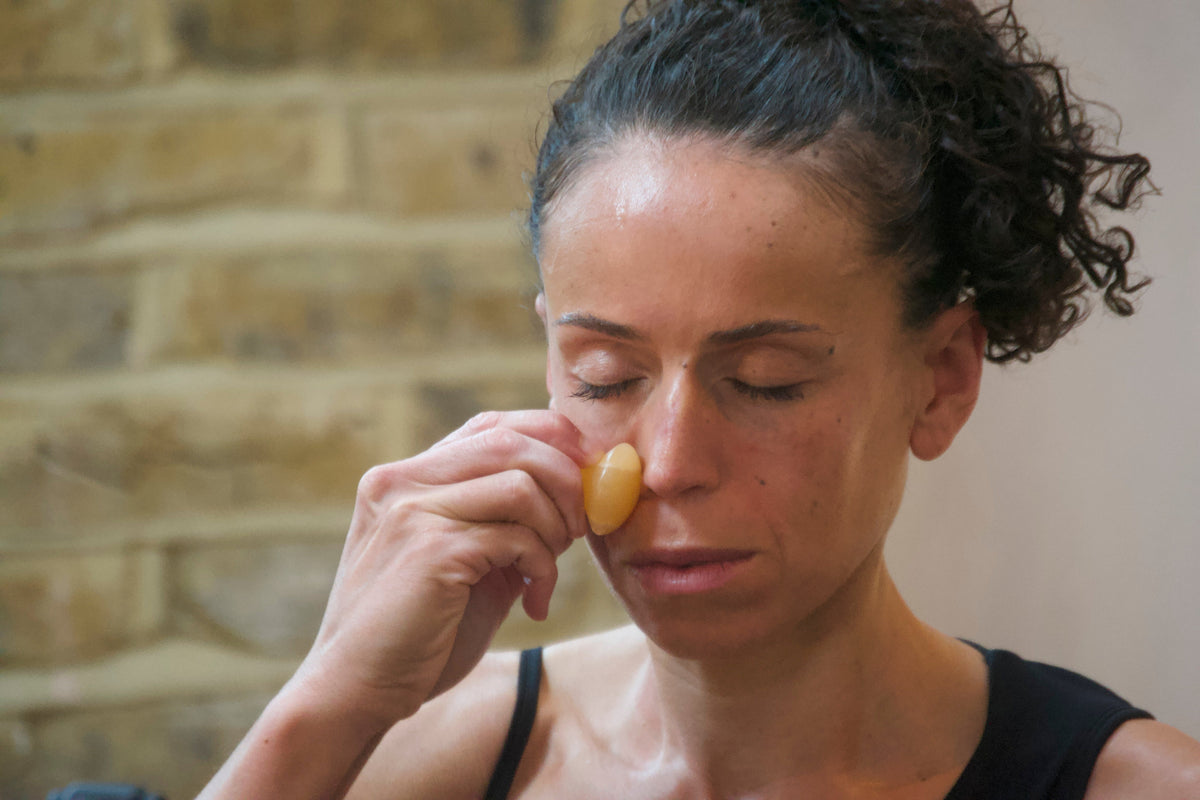
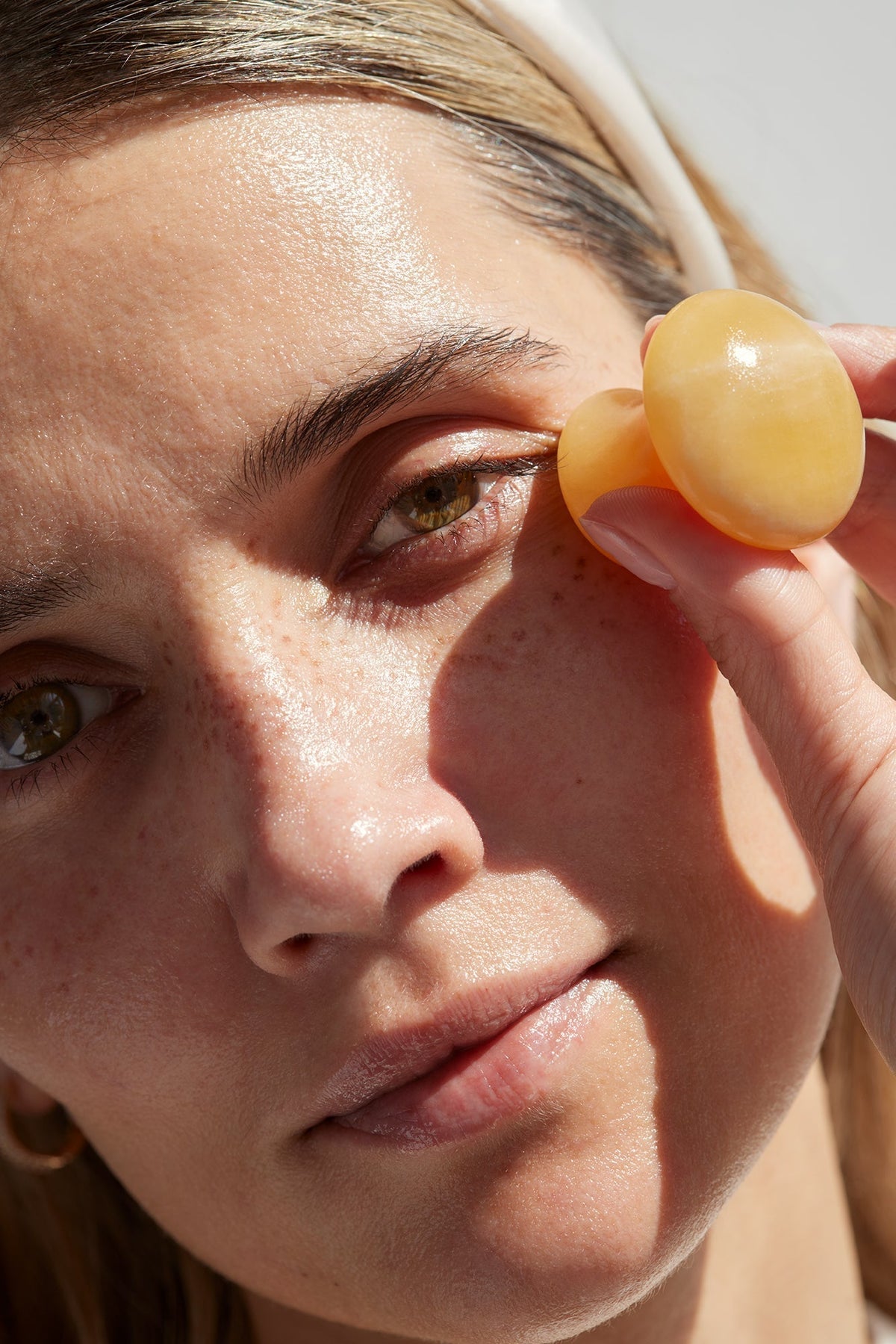
2- For the face: the Face & Eye Gua Sha, for a morning ritual that leaves skin looking awake and refreshed.
Move with Paola
Discover the PBB Method at Paola's BodyBarre in London, including the PBB x Sael Movement Studio.